Comprehensive Overview of Fuses in Motorcycle and ATV Wiring Setups
News 2025-10-13
Fuses are critical components in the electrical systems of motorcycles and ATVs, serving as safeguards against potential damage from overloads and short circuits. These small devices interrupt the flow of electricity when abnormal conditions arise, preventing fires, component failures, and other hazards. In the compact and often exposed environments of motorcycles and ATVs, reliable fuses are essential for maintaining performance and safety during various riding conditions, from urban commutes to off-road adventures. Understanding their role helps enthusiasts and mechanics ensure that electrical systems operate efficiently and durably.
Types of Fuses and Their Specifications
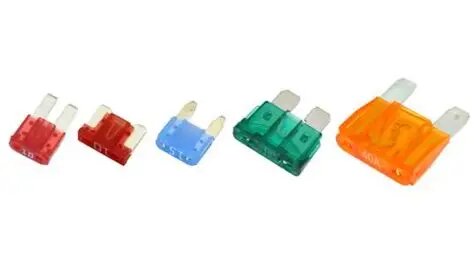
Fuses come in several types, each designed for specific applications in motorcycle and ATV systems. Blade fuses, commonly used due to their compact size and ease of replacement, offer quick response times to overcurrent situations, making them ideal for protecting sensitive electronics like lighting and ignition circuits. Glass tube fuses provide visual indicators when blown, which is advantageous for diagnostic purposes in field repairs. Additionally, high-amperage fuses cater to more demanding components, such as winches or audio systems in ATVs. Each type boasts performance advantages, including low resistance for minimal voltage drop and precise current ratings that enhance system reliability without unnecessary bulk.
Key Applications and Performance Enhancements
In motorcycles and ATVs, fuses are applied in diverse scenarios, such as safeguarding the battery charging system, fuel injection controls, and accessory circuits. For instance, in off-road ATVs, fuses protect against vibrations and moisture, ensuring consistent operation in harsh environments. Performance-wise, modern fuses offer faster melting times and higher interrupt capacities, reducing the risk of electrical fires and extending the lifespan of connected devices. This reliability translates to better fuel efficiency in motorcycles by maintaining stable voltage and fewer breakdowns during long rides, ultimately enhancing user safety and vehicle longevity through robust circuit protection.
Frequently Asked Questions
1. What role do fuses play in preventing electrical failures?
Fuses act as automatic circuit breakers, melting to cut off power during overcurrent events and thus avoiding damage to wires and components.
2. How should I select a fuse for my motorcycle’s electrical system?
Choose a fuse based on the circuit’s amperage requirement, ensuring it matches the manufacturer’s specifications to avoid under- or over-fusing.
3. Can ATV fuses be interchanged with those from cars?
Yes, many standard automotive fuses work in ATVs, but verify compatibility with voltage and environmental ratings for optimal performance.