Essential Functions and Protections Offered by Automotive Fuses in Fuel and Ignition Circuits
News 2025-10-13
Car fuses are indispensable in protecting automotive electrical circuits from overcurrent and short circuits. Specifically, in the fuel pump system, a fuse ensures that high current demands do not lead to wire melting or component failure, which could disrupt fuel delivery and cause engine stalling. Similarly, in ignition systems, fuses safeguard critical parts like coils and modules from electrical surges, preventing misfires or complete system shutdowns. As vehicles incorporate more advanced electronics, these fuses handle increased loads with enhanced reliability, contributing to overall safety and performance by isolating faults quickly and efficiently.
Applications in Fuel Pump and Ignition Systems
Fuses play a vital role in fuel pump circuits, where they are rated for specific amperages to match the pump’s requirements, often ranging from 15 to 30 amps in standard vehicles. This setup protects against overloads during high-demand situations, such as acceleration or cold starts. In ignition systems, fuses guard against faults in the low-voltage circuits, ensuring consistent spark delivery for combustion. Their strategic placement in fuse boxes allows for easy access and rapid replacement, making them essential in both conventional and hybrid vehicles for maintaining operational integrity under various driving conditions.
Performance Advantages of Automotive Fuses
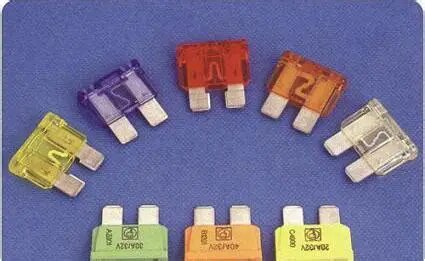
Automotive fuses deliver rapid response to overcurrent events, typically interrupting the circuit in milliseconds to limit damage. Constructed from durable materials, they resist heat, vibration, and corrosion, ensuring long-term reliability in harsh engine environments. These components offer precise current protection with options like blade or mini fuses, which are compact and easy to integrate. By providing a cost-effective safeguard, fuses enhance system efficiency and reduce the need for complex alternatives, ultimately supporting better vehicle performance and lower maintenance needs through their dependable operation.
Frequently Asked Questions
1. What is the typical amperage for a fuel pump fuse?
Fuel pump fuses commonly range from 15 to 20 amps, varying by vehicle model to match specific system demands.
2. How does a blown fuse affect the ignition system?
A blown fuse can cause the engine to fail to start or experience misfires by cutting power to ignition components, requiring immediate inspection.
3. Can different fuse types be used interchangeably in cars?
No, fuse types must match the application’s voltage and current ratings to ensure proper protection and avoid potential electrical hazards.