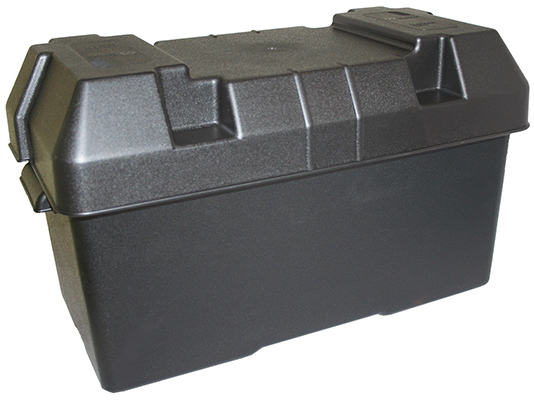
Expert Guide to Safely Replacing a Vehicle Battery Compartment
News 2025-10-20
Replacing a car battery box is a critical maintenance task that ensures the safety and longevity of your vehicle’s electrical system. Often overlooked, the battery box protects the battery from environmental hazards and physical damage. In scenarios like corrosion buildup or accidental impacts, a damaged box can lead to battery failure or safety risks. This guide focuses on methods that prioritize battery integrity, highlighting applications in everyday automotive care and professional repairs. By following these steps, you can maintain optimal performance and avoid common pitfalls that compromise battery health.
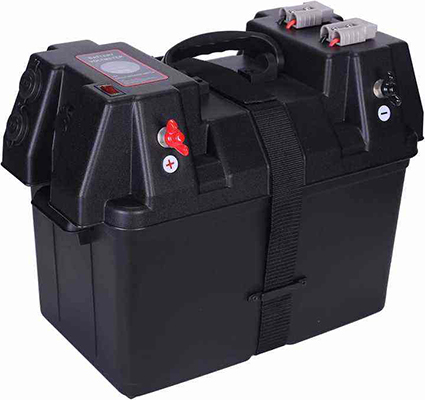
Preparing for the Replacement
Preparation is key to a successful battery box replacement, minimizing risks to the battery itself. Start by gathering essential tools such as a socket wrench set, safety gloves, and a multimeter to check battery voltage. Inspect the current box for signs of wear, ensuring you select a compatible replacement that matches your car’s make and model. This step is crucial in automotive workshops or home garages, where precise preparation enhances efficiency and reduces the chance of accidental shorts or damage. Focusing on these details improves the overall reliability of your vehicle’s electrical components, extending battery life through better protection.
Executing the Replacement Process
The actual replacement involves careful disconnection and reinstallation to safeguard the battery. Begin by disconnecting the negative terminal first to prevent electrical surges, then remove any securing bolts holding the old box in place. Gently lift the battery out, inspecting it for any damage before placing it into the new box. Secure the box with the appropriate fasteners and reconnect the terminals in reverse order. This method is particularly advantageous in high-mileage vehicles or harsh climates, where robust housing improves resistance to corrosion and vibration, ultimately boosting the battery’s performance and safety margins.
Frequently Asked Questions
1. What tools are essential for this task?
A basic set including a wrench, gloves, and a multimeter is necessary to ensure safe handling and accurate checks.
2. How long does the replacement typically take?
It usually takes 30 to 60 minutes for an experienced person, depending on the vehicle’s accessibility.
3. Is it safe to do this without professional help?
Yes, with proper precautions, but always consult your vehicle’s manual to avoid common mistakes.