Fuel Injector Fuse Design That Protects Stable Power Delivery To Modern Engines
News 2025-11-17
Fuel injector fuse ensures fuel injectors receive stable electrical current, protecting both precision components and overall engine performance. In modern vehicles, electronic fuel injection depends on clean, well-regulated power. A properly specified fuse prevents sudden surges, wiring faults, or short circuits from damaging injectors, control modules, or harnesses. By isolating abnormal current, the fuse preserves accurate fuel metering, contributes to efficient combustion, and supports compliance with increasingly strict emission standards.

Key Functions And Working Principle
The fuel injector fuse is placed in the power supply line feeding the injector rail or injector driver circuit. Under normal operating conditions it carries rated current with minimal voltage drop, maintaining steady energy delivery so that each injector opens and closes at precisely timed intervals. When current exceeds a calibrated threshold, the fuse element heats and melts, interrupting the circuit in milliseconds. This fast response minimizes thermal stress on injector coils and prevents damage to the engine control unit. Correct coordination between fuse rating, wiring gauge, and injector load is vital to avoid nuisance blowing while still protecting components during fault events.
Application Scenarios In Automotive And Industrial Systems
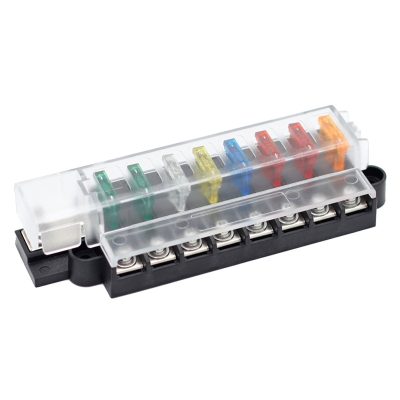
Fuel injector fuses are deployed in passenger cars, commercial trucks, off‑highway machinery, and stationary power generators using gasoline, diesel, or alternative fuels. In compact passenger vehicles, the fuse is usually located inside the engine bay fuse box, sharing space with ignition, pump, and sensor fuses to streamline service operations. Heavy‑duty engines in buses or construction equipment often rely on multiple fused circuits to isolate separate injector banks, enabling partial system operation during troubleshooting. Industrial generators and marine engines use dedicated fused panels that protect injectors from harsh environmental conditions such as vibration, salt spray, and temperature extremes, ensuring continuous, efficient operation under demanding duty cycles.
Performance Advantages And Selection Considerations
A correctly rated fuel injector fuse offers stable electrical performance, low contact resistance, and strong resistance to thermal cycling. These features help maintain consistent injector response time, supporting precise fuel atomization and improved throttle sensitivity. High interrupt capacity allows the fuse to safely clear short circuits without arc damage to the fuse holder or surrounding wiring. When selecting a fuse, engineers evaluate nominal current, inrush characteristics during cold starts, ambient temperature in the engine compartment, and integration with on‑board diagnostics. Using quality fuses reduces downtime, protects expensive injectors and harnesses, and supports long service intervals, which is particularly valuable in fleet vehicles and industrial engines where maintenance costs must be tightly controlled.
Installation, Maintenance, And Diagnostics
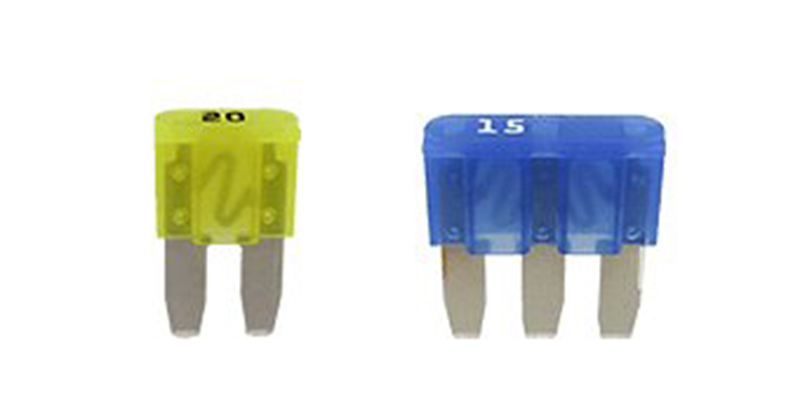
Proper installation of a fuel injector fuse requires secure seating in the designated slot and compatibility between blade or cartridge style and the vehicle’s fuse panel. Technicians verify torque and contact cleanliness to avoid micro‑arcing that could cause intermittent injector misfires. During maintenance, visual inspection identifies discoloration, distortion, or corrosion that may indicate overheating or moisture ingress. When misfire codes, hard starting, or sudden engine shutdown appear, checking the fuel injector fuse is a fast diagnostic step. Using a multimeter to confirm continuity and voltage supply at the injector harness helps locate whether the issue lies in the fuse, wiring, or driver circuitry, shortening repair time and preventing repeated component failures.
1. Why does a fuel injector circuit need a dedicated fuse?
It isolates the injector power supply, preventing short circuits and surges from damaging injectors, wiring, or the engine control unit, while maintaining stable electrical delivery during normal operation.
2. How often should a fuel injector fuse be replaced?
Under normal conditions it is not a routine replacement item; it should be changed only when blown or when inspection shows overheating, corrosion, or mechanical damage that could affect performance.
3. What happens if an incorrect fuse rating is used?
A fuse rated too high may fail to open during a fault, risking severe damage, while a fuse rated too low can blow during normal operation, causing misfires, poor drivability, and unnecessary downtime.