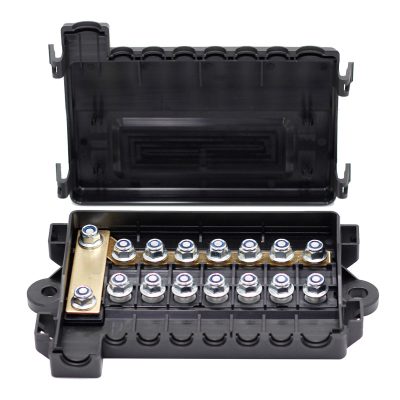
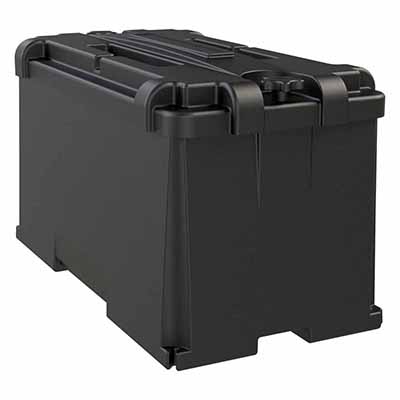
Fuse Box Equipped with Thermal Protection Mechanisms to Safeguard Against Overheating in Car Electrical Systems
News 2025-10-31
In the automotive industry, electrical systems are critical for vehicle performance and safety. A fuse box with thermal protection serves as an essential safeguard against overheating, which can lead to fires or component failures. This device integrates advanced thermal sensors that detect excessive heat and automatically interrupt the circuit, preventing potential damage. Designed specifically for cars, it addresses common issues in high-temperature environments like engine compartments, ensuring reliable operation under demanding conditions. By incorporating thermal protection, this fuse box enhances overall vehicle longevity and reduces maintenance costs, making it a key component in modern automotive electrical designs.
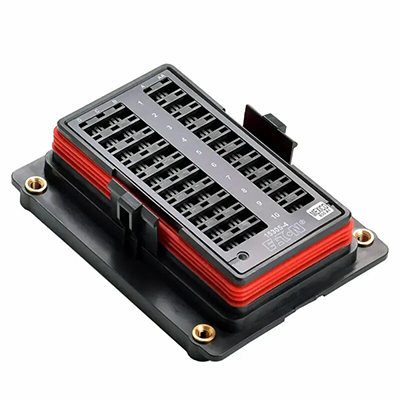
Application Scenarios
Thermal-protected fuse boxes find extensive use in various automotive settings where heat buildup is a concern. For instance, in electric vehicles, they protect battery management systems from thermal runaway, a phenomenon that can occur during rapid charging or heavy usage. In traditional combustion engine cars, these devices are installed in the engine bay to monitor and protect wiring harnesses and electronic control units from heat generated by the engine. Additionally, they are applied in aftermarket upgrades for classic cars or in fleet vehicles, where exposure to extreme temperatures is frequent. This adaptability ensures consistent performance across diverse driving conditions, from urban commutes to off-road adventures, thereby minimizing the risk of electrical failures.
Performance Advantages
The thermal protection in these fuse boxes offers superior performance through rapid heat detection and response times, often activating within seconds of temperature spikes. This quick action is achieved via integrated bimetallic strips or electronic sensors that provide precise control, outperforming standard fuses that rely solely on current overloads. Furthermore, the design enhances durability with materials resistant to corrosion and vibration, common in automotive environments, leading to a longer service life. Energy efficiency is another benefit, as the system reduces unnecessary power consumption by preventing short circuits caused by overheating. Overall, these features contribute to improved safety standards and cost savings by avoiding expensive repairs from thermal damage.
Frequently Asked Questions
1. What is thermal protection in a fuse box?
Thermal protection involves sensors that monitor temperature and cut off power if overheating is detected, protecting electrical components.
2. How does it prevent overheating in cars?
It uses heat-sensitive mechanisms to interrupt the circuit before temperatures rise to dangerous levels, avoiding potential fires or meltdowns.
3. What are the benefits of using this fuse box?
It enhances safety, extends component lifespan, and reduces maintenance needs by providing reliable defense against heat-related failures in automotive systems.