Fuse Box Integration for Optimal Electrical Safety in Hatchback and Compact Vehicles Across Different Scenarios
News 2025-10-31
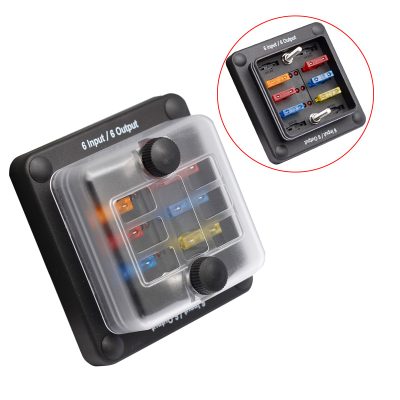
Fuse boxes serve as essential protectors in the electrical systems of hatchback and compact cars, shielding against overloads and short circuits that could lead to failures or hazards. In space-efficient designs common to these vehicle types, fuse boxes ensure that critical components function reliably under various conditions, from daily drives to demanding environments. Their role in preventing electrical fires makes them a key element in modern automotive safety standards.
Applications in Hatchback and Compact Cars
Hatchback vehicles often feature fuse boxes in the engine bay or cabin, safeguarding circuits for lights, wipers, and infotainment while supporting versatile cargo configurations. In compact cars, these units manage power for efficiency-driven systems like climate control and sensors, crucial during urban navigation where sudden stops and starts can stress electrical loads. This placement enhances reliability in real-world scenarios, such as rainy commutes or heavy traffic, by isolating faults quickly.
Performance Advantages of Modern Fuse Boxes
Contemporary fuse boxes offer superior response times, detecting and interrupting excessive currents faster to limit damage in high-risk situations. Constructed with durable, heat-resistant materials, they withstand the rigors of engine compartments and provide long-term stability. Their modular designs facilitate easy upgrades and maintenance, improving overall system efficiency and reducing the likelihood of failures in compact car architectures where space constraints demand precision.
Frequently Asked Questions
1. What does a fuse box do in a car’s electrical system?
Answer: It protects circuits by breaking the connection when too much current flows, preventing damage to components and reducing fire risks.
2. Why are fuse boxes important for hatchback vehicles?
Answer: They handle specific features like rear wiper systems, ensuring safe operation in various weather conditions without compromising the vehicle’s compact design.
3. How can you identify a problem with the fuse box?
Answer: Look for signs like repeated fuse failures, unusual odors, or visible corrosion, which indicate the need for inspection to maintain electrical integrity.