Fuses for Car Lighting Circuits: Ensuring Protection of Bulbs and Wiring Against Overcurrent
News 2025-10-24
In automotive electrical systems, fuses serve as essential safeguards for lighting circuits, preventing damage from excessive current that could lead to bulb failure or wiring meltdowns. These components are critical in maintaining the integrity of vehicle lighting, from headlights to interior lamps, by interrupting power flow during faults. Understanding their role helps in enhancing vehicle reliability and safety in everyday driving conditions.
Application Scenarios
Fuses are integral in diverse automotive lighting setups. In headlight systems, they protect against surges caused by weather conditions or mechanical issues, ensuring consistent performance. For tail and brake lights, fuses safeguard against short circuits that might arise from wear and tear, while in modern LED integrations, they defend sensitive electronics from voltage irregularities, promoting longevity in high-demand environments.
Performance Advantages
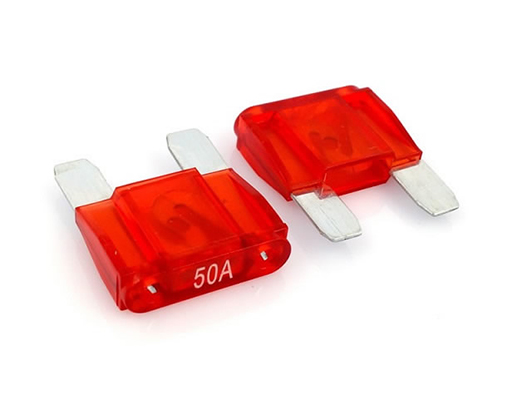
Fuses deliver precise overcurrent protection by activating at set thresholds, isolating faults without affecting other systems. Their design allows for quick replacement and compatibility with various circuit loads, offering durability in extreme temperatures and vibrations typical of automotive use. This reliability reduces maintenance costs and minimizes downtime, making fuses a cornerstone for efficient and safe lighting operations.
Common Questions and Answers
1. What is the main function of a fuse in car lighting?
It breaks the circuit during overcurrent to prevent damage to bulbs and wiring, avoiding potential hazards like fires.
2. How do fuses enhance the lifespan of automotive lights?
By shielding against electrical surges, fuses reduce stress on components, extending the durability of bulbs and circuits.
3. What should be checked when a lighting fuse blows?
Inspect for underlying issues like short circuits or worn wiring, and replace the fuse with one of the correct amperage rating.