Thermal-Insulated Car Battery Enclosure for Extreme Weather Challenges
News 2025-10-27
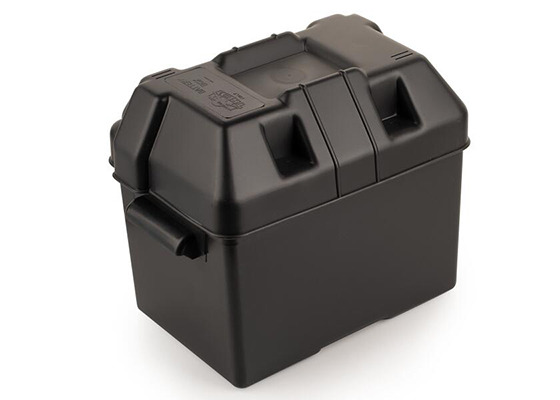
In the automotive sector, battery reliability is essential for vehicle performance, especially in fluctuating temperatures. The car battery box with a heat-insulating layer addresses this by providing robust protection against extreme heat and cold. This enclosure uses specialized materials to maintain stable internal conditions, preventing thermal stress that can shorten battery life and cause inefficiencies. By shielding batteries from environmental extremes, it ensures consistent operation in demanding scenarios, making it a vital component for modern vehicles facing diverse climatic conditions.
Key Application Scenarios
Extreme temperature environments pose significant challenges to automotive batteries, and this heat-insulating battery box excels in such settings. For instance, in desert regions where temperatures can soar above 50°C, the insulation minimizes heat absorption, reducing the risk of overheating and thermal runaway. Similarly, in arctic or high-altitude areas with sub-zero conditions, it prevents freezing, which can impair battery chemistry and power delivery. This makes it ideal for electric vehicles, off-road applications, and emergency services operating in harsh climates, enhancing overall system reliability and safety.
Performance and Durability Benefits
The heat-insulating layer significantly improves battery performance by maintaining an optimal operating temperature range. This results in extended cycle life, as batteries experience less degradation from temperature fluctuations. The design also enhances energy efficiency, allowing batteries to deliver consistent power output without voltage drops in extreme conditions. Furthermore, the robust construction resists corrosion and physical damage, contributing to longer service intervals and reduced maintenance costs. Overall, this enclosure supports sustainable automotive solutions by maximizing battery longevity and minimizing environmental impact through efficient energy use.
Common Questions and Answers
1. What materials are used in the heat-insulating layer?
The layer typically incorporates high-density foam or aerogel composites that offer superior thermal resistance and lightweight properties.
2. How does this battery box affect vehicle range in cold weather?
It helps maintain battery efficiency, potentially increasing vehicle range by up to 20% in low temperatures by preventing capacity loss.
3. Is this enclosure compatible with all car battery types?
Yes, it is designed to fit standard automotive batteries, but compatibility should be verified based on specific size and voltage requirements.