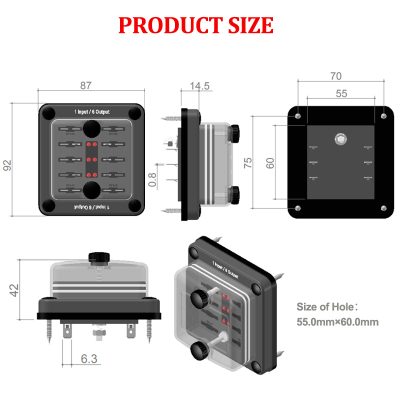
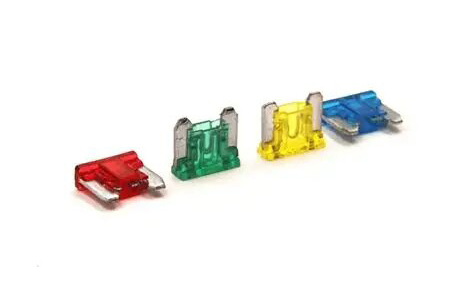
Hidden Fuse Box Issues Causing Persistent Intermittent Electrical Faults In Equipment
News 2025-12-22
Intermittent electrical faults frustrate maintenance teams because they appear randomly, disappear under testing, and reoccur under load. In many industrial and automotive systems, the root cause lies inside the fuse box rather than in the downstream wiring or loads. Poor contact pressure, micro‑corrosion, marginal fuse ratings, and thermal cycling can all create unstable connections that only manifest under specific vibration, humidity, or current conditions. Understanding these hidden mechanisms is vital for designing robust power distribution and reducing unplanned downtime.

Micro-Corrosion And Contact Degradation
Fuse blades and terminals gradually oxidize, especially in humid, polluted, or coastal environments. Thin films of corrosion raise contact resistance, leading to localized heating and voltage drops that vary over time. Under low current the circuit may appear normal, but a surge in load can trigger flickering relays, sensor resets, or CAN bus errors. SIL-level control systems and telecom base stations are particularly sensitive, because millisecond disruptions corrupt data or trigger nuisance trips. Using plated terminals, controlled-contact force designs, and sealed fuse boxes significantly enhances long-term performance.
Mechanical Stress, Vibration, And Thermal Cycling
Loose fuse clips, poorly crimped connections, and warped housings often behave differently under vibration than during static bench tests. In electric vehicles, off-road equipment, and rail systems, vibration can momentarily separate contact surfaces, creating micro-arcs and transient overvoltage spikes. Thermal cycling from high ambient temperatures or high load currents expands and contracts metal contacts, gradually reducing clamping force. Specifying fuse boxes rated for the actual shock, vibration, and temperature profile of the application avoids many intermittent events and improves service life in demanding operating environments.
Underrated Fuses, Overload Conditions, And Layout Issues
Undersized fuses may not blow immediately but can operate near their thermal limit, producing periodic nuisance interruptions. Borderline ratings are common in compact consumer devices and dense industrial control cabinets where designers push current limits to save space. Inadequate spacing between adjacent fuses increases localized heating, accelerating aging and intermittency. Careful derating, clear labeling of fuse positions, and separate high-current paths for motors or inverters improve stability. Thoughtful layout also simplifies diagnostics, helping technicians isolate problematic circuits faster during maintenance.
Design And Maintenance Strategies To Mitigate Hidden Issues
High-performance fuse boxes integrate features such as tin or silver plating, positive locking mechanisms, and environmental sealing to resist moisture and debris. Pairing those features with predictive maintenance—thermal imaging, periodic torque checks, and contact resistance measurement—dramatically reduces unplanned outages in data centers, medical equipment, and industrial automation lines. Selecting components tested to IEC and UL standards, alongside clear documentation of maximum load, ambient temperature, and service intervals, turns the fuse box from a weak link into a stable, low-loss node in the power distribution network.
1What symptoms indicate hidden fuse box problems?
Erratic sensor readings, random ECU resets, flickering lighting, and fuses that run unusually warm without fully blowing often point to degraded contacts or marginal ratings inside the fuse box.
2How can designers improve fuse box performance in harsh environments?
They can specify sealed enclosures, corrosion-resistant plating, high-contact-force terminals, and vibration-rated housings, and then apply conservative derating based on the real thermal profile of the system.
3Which applications most benefit from robust fuse box design?
Electric vehicles, industrial drives, telecom infrastructure, and medical imaging systems gain the most, because stable power distribution directly affects uptime, safety, and signal integrity.