Indicator Light Fuse Enhances Safety Of Vehicle Warning Indicator Circuits
News 2025-11-17
Indicator light fuse ensures vehicle warning indicator circuits function safely and consistently across diverse operating conditions. In modern vehicles, clusters of indicator lamps communicate key states such as turn signaling, ABS status, airbag readiness, charging system health, and lane‑keeping alerts. These circuits depend on dedicated fuses that isolate faults, prevent wire overheating, and protect sensitive control modules. By tailoring fuse selection to the electrical profile of indicator lamps—whether LED arrays or traditional incandescent bulbs—designers maintain both regulatory compliance and driver trust in dashboard warnings.
Core Role Of Indicator Light Fuses In Automotive Electronics
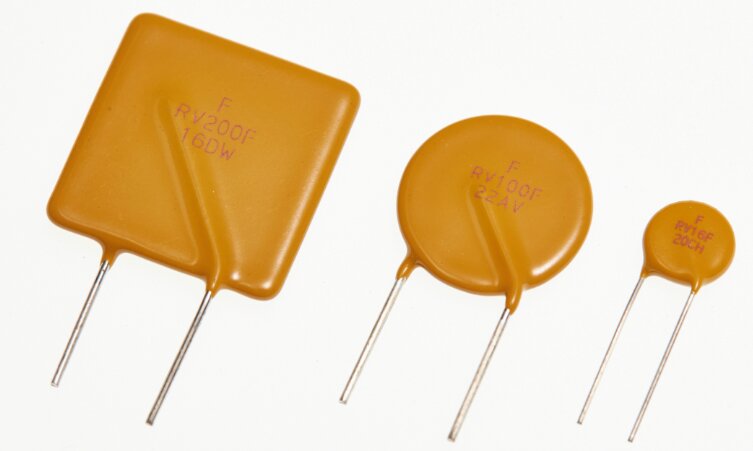
Indicator light fuses sit between the vehicle power distribution network and the warning indicator circuits, acting as sacrificial links that open when current exceeds a defined threshold. In a short‑circuit event caused by wiring abrasion, connector corrosion, or internal lamp failure, the fuse interrupts power before heat damages harnesses or instrument cluster PCBs. Compared with resetting electronic protection strategies alone, a properly rated fuse delivers predictable, standards‑aligned behavior and an easily diagnosable failure point. This hardware layer of protection is especially important in systems governed by ISO and UNECE regulations, where malfunction of ABS, ESC, airbag, and charging warnings can compromise legal compliance.
Key Performance Attributes And Selection Criteria
Performance of indicator light fuses is defined by current rating, voltage rating, interrupt capacity, time‑current characteristics, and thermal stability. Designers typically choose fast‑acting blade or mini‑blade fuses for low‑power LED indicators that require quick disconnection during shorts, while slightly slower types can be used where inrush from incandescent bulbs or relay coils might otherwise cause nuisance opening. Environmental robustness is crucial: fuses must withstand under‑dash heat, vibration, and voltage transients caused by load dumps or cold‑crank events. Low internal resistance reduces voltage drop so indicator lamps maintain full brightness and accurate dimming behavior even in multiplexed or CAN‑based instrument clusters.
Application Scenarios In Modern Vehicle Architectures
In conventional 12 V passenger cars, individual or grouped fuses protect turn signals, hazard flashers, brake indicators, and high‑beam tell‑tales. Commercial trucks and buses often operate at 24 V and host extended banks of status lamps for air pressure, door interlocks, lift systems, and auxiliary power units; here, fuses must provide higher voltage ratings and robust mechanical retention in vibration‑prone fuse boxes. Electric and hybrid vehicles introduce further scenarios: high‑voltage system warning lamps, charging status indicators, and battery health tell‑tales rely on low‑current LED circuits isolated by carefully selected fuses that cooperate with DC‑DC converters and battery management systems. These applications demand tight coordination between fuse characteristics, PCB traces, and connector design.
Benefits For Safety, Serviceability, And Cost Control
Appropriately specified indicator light fuses enhance vehicle safety by ensuring that a local failure in one warning circuit does not cascade into broader instrument cluster damage or wiring harness overheating. Clear fuse labeling and standardized footprints simplify diagnostics during maintenance; technicians can pinpoint failed indicator circuits quickly, minimizing downtime for fleet operators. From a cost perspective, fuses provide an inexpensive safeguard compared to potential replacement of instrument clusters or body control modules. They also support modular platform design across different trim levels, enabling OEMs to scale indicator configurations while retaining a consistent protection strategy that meets global homologation requirements.
FAQ On Indicator Light Fuse Applications
1. Why is a dedicated fuse needed for indicator light circuits?
A dedicated fuse ensures that faults in small, low‑current warning circuits do not damage wiring or expensive electronics, maintaining dashboard visibility of safety‑critical alerts.
2. How does fuse selection differ between LED and bulb indicators?
LED indicators usually draw lower, more stable current and benefit from fast‑acting fuses, while incandescent bulbs may require fuses that tolerate brief inrush without nuisance opening.
3. Can one fuse protect multiple indicator lamps?
Yes, a single properly rated fuse can protect grouped indicators, provided the total load, wiring size, and functional safety requirements are carefully evaluated during design.