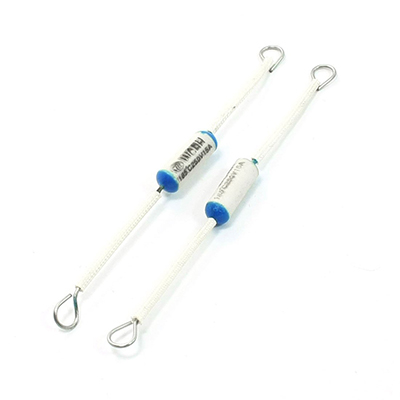
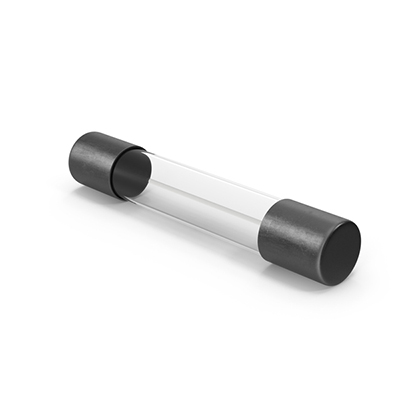
Industry-Compliant Thermal Fuse Designed To Meet Strict Quality And Safety Demands
News 2025-11-27
Industry-compliant thermal fuses have become a cornerstone of modern circuit protection, especially in applications where overheating poses a risk to human safety, product reliability, and regulatory conformity. By permanently interrupting current once a calibrated temperature threshold is reached, these components protect motors, transformers, battery packs, chargers, lighting drivers, and power supplies from thermal runaway. Manufacturers in home appliances, industrial automation, e‑mobility, and medical equipment increasingly specify thermal fuses that demonstrably meet international standards and pass rigorous third‑party testing.
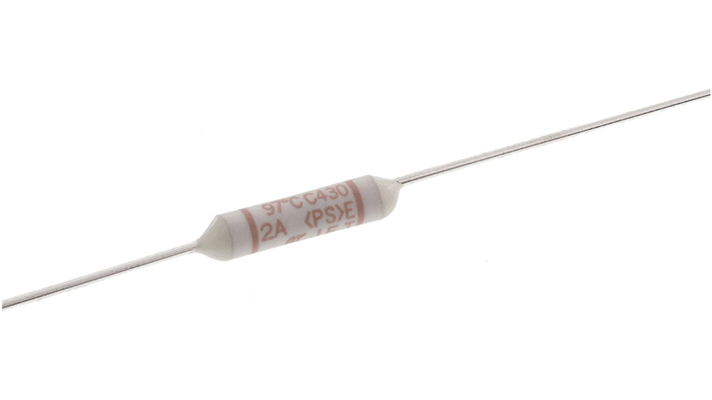
Compliance, Certification, And Safety Standards
Leading thermal fuses are designed to align with UL, VDE, IEC, and RoHS requirements, enabling OEMs to streamline safety approval of finished products. Each fuse typically undergoes 100% factory testing for opening temperature, insulation resistance, and dielectric strength. Traceability is supported through batch coding and documented quality records, giving design engineers and quality managers clear evidence of compliance during audits. By selecting components that already carry recognized safety marks, engineering teams can reduce certification time, simplify technical documentation, and ensure that over‑temperature protection in the end system remains consistent across global markets.
Performance Characteristics And Design Advantages
Key performance parameters include precisely calibrated cut‑off temperature, rated current, rated voltage, and minimal contact resistance. Narrow tolerance on opening temperature ensures repeatable behavior in series production, which is vital when fuses protect sensitive lithium‑ion cells or compact SMPS designs. Many industry‑grade thermal fuses use advanced organic or polymer pellets combined with high‑purity metal leads and corrosion‑resistant housings, improving long‑term stability under thermal cycling. Low internal resistance helps minimize power loss and heat generation during normal operation, while fast response to abnormal temperature rises enhances protection against insulation breakdown, winding damage, and catastrophic failure of semiconductor devices.
Application Scenarios Across Key Market Segments
In home appliances, thermal fuses safeguard coffee makers, hair dryers, irons, and air conditioners against blocked airflow, component aging, or thermostat malfunction. In industrial drives and pumps, they prevent excessive winding temperatures in motors operating under overload or locked-rotor conditions. LED drivers and HVAC controls rely on them to contain failures in compact enclosures where airflow is limited. Energy storage systems and battery chargers integrate series fuses close to cells and PCBs to mitigate risks during overcharging or short-circuit events. Medical power supplies and patient-care equipment demand documented fuse reliability, as any thermal incident may affect safety-critical functionality and trigger regulatory penalties.
Integration, Assembly, And Long-Term Reliability
Engineers typically install thermal fuses in direct thermal contact with the hottest part of the assembly, using clips, heat-shrink tubing, or epoxy designed to maintain thermal coupling while preserving electrical insulation. Correct mounting orientation and adherence to soldering profiles are essential to prevent pre‑aging or drift of opening temperature. Many manufacturers subject fuses to endurance tests including high‑temperature storage, humidity exposure, and repetitive load cycling to validate long service life. Consistent performance over years of operation reduces warranty claims, enhances brand reputation, and supports predictive maintenance strategies in connected industrial systems.
1What industries most frequently use industry-compliant thermal fuses?
They are widely applied in household appliances, industrial automation, HVAC systems, LED lighting, battery packs, and medical power supplies where strict safety approvals are required.
2How does a thermal fuse differ from a resettable thermal protector?
A thermal fuse opens the circuit permanently once its rated temperature is exceeded, whereas a resettable protector automatically recovers when the temperature falls below its reset point.
3Which parameters should engineers prioritize when selecting a thermal fuse?
Key factors include opening temperature tolerance, rated voltage and current, agency certifications, internal resistance, physical size, and compatibility with the intended mounting and soldering processes.