Inline Fuse Holder in RV Systems Shields Fridge Lights and Charging Ports
News 2026-01-12
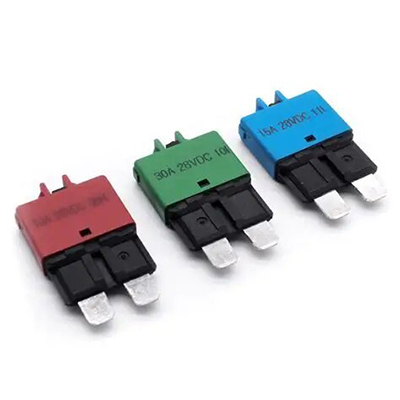
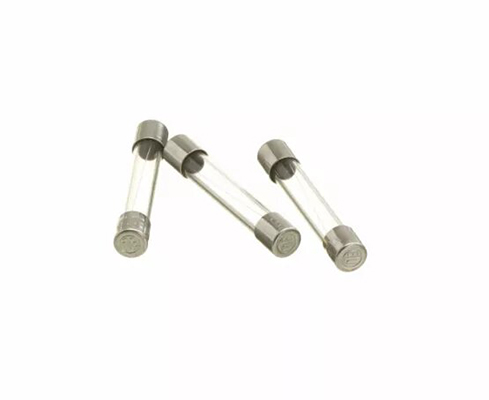
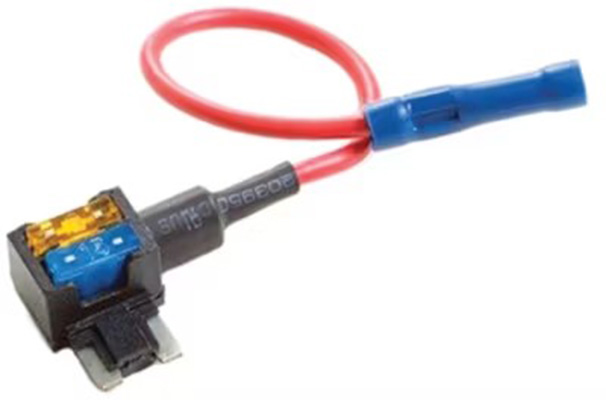
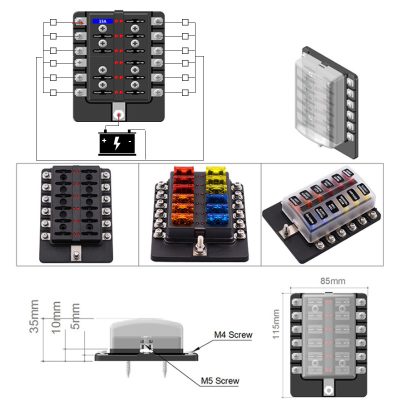
An inline fuse holder plays a vital role in safeguarding electrical circuits in recreational vehicles. By integrating this compact device into power lines of fridges, lighting arrays and charging ports, technicians can prevent overloads and short circuits. Designed to house standard blade or glass tube fuses, the holder ensures secure contact and consistent current flow. Its durable housing guards the fuse element against dust, moisture and vibration, ensuring uninterrupted operation on rough terrains. This solution simplifies fuse management and reduces reliance on bulky fuse boxes that occupy valuable dashboard or cabinet space. Proper integration of an inline fuse holder enhances overall vehicle safety and extends the lifespan of sensitive electronic equipment.
Application Scenarios
Inline fuse holders are widely applied in RV electrical systems where reliable circuit protection is essential. In refrigerator circuits, an inline fuse can isolate a stalled compressor to prevent wiring damage. LED interior strips, dinette lighting and exterior floodlights benefit from individual fuses that avert total system shutdown in case of a fault. Dedicated holders on charging ports block excessive draw from phones or power banks, avoiding damage to the main battery. Technicians typically mount holders near fuse blocks or distribution panels for quick fuse swaps and clear circuit identification.
Performance Advantages
High-grade inline fuse holders feature high-temperature nylon or ABS housings that tolerate elevated ambient heat without deformation. Gold-plated or tin-plated terminals reduce contact resistance and minimize voltage drop, improving power efficiency. Many variants meet IP66 or IP68 ingress protection standards, shielding critical circuits from dust, moisture and accidental spray. Quick-release caps or hinged covers enable tool-free access to fuses, cutting maintenance time. Compact designs with standardized brackets fit tight chassis or panel spaces across diverse RV models.
Installation Best Practices
Select an inline fuse holder rated above the circuit’s peak current draw to avoid nuisance blows under standard loads. Route wiring with sufficient slack to prevent strain on terminals and secure it away from sharp edges or heat sources. Employ ring terminals or insulated spade connectors to ensure robust mechanical and electrical connection at the holder. Clearly label each holder with its fuse rating and the name of the protected circuit for easy troubleshooting. Always disconnect the main power supply before replacing fuses to eliminate risk of electric shock or unintended shorts.
1、Compatible Fuse Sizes
Standard 5×20 mm glass tube and 6×30 mm blade fuses fit most inline holders designed for RV electrical installations.
2、Installation Locations
Mount holders close to distribution panels or at the origin of each branch circuit to maintain clear labeling and quick access.
3、Maintenance Frequency
Inspect fuse holders and replace fuses during annual RV service or immediately after any electrical fault to ensure continued protection.