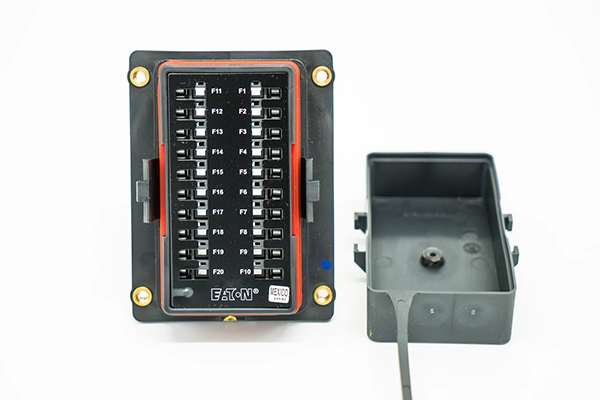
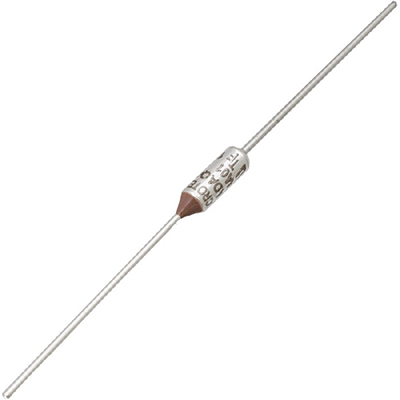
Inspection Routines That Maintain Fuse Box Integrity And System Safety
News 2025-12-22
Routine inspection of a fuse box is a primary defense against hidden electrical faults, nuisance downtime, and premature component failures. In residential, commercial, and industrial environments, a well‑maintained fuse box stabilizes load distribution, supports consistent voltage levels, and protects sensitive equipment from overloads or short circuits. Establishing a scheduled inspection routine, aligned with manufacturer data and local electrical codes, keeps protective devices operating within their specified performance envelope and extends the lifespan of the entire electrical system.
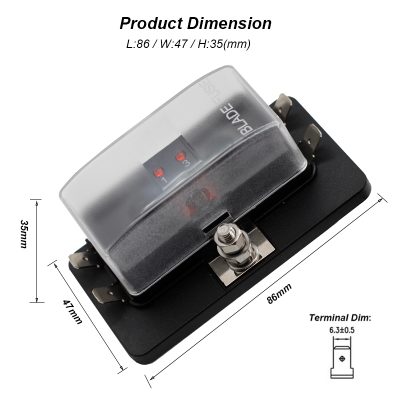
Visual Condition Checks And Environmental Control
A structured inspection begins with a visual survey of the enclosure, panel door, and labeling. Technicians verify that the fuse box is dry, free of dust buildup, and not exposed to corrosive atmospheres or excessive vibration. Signs such as discoloration, blistered paint, or melted insulation indicate localized overheating, often linked to undersized conductors or overloaded circuits in lighting banks, HVAC compressors, or motor control centers. Clear, durable circuit labels are vital in data centers, production lines, and building management systems because they shorten fault‑finding time and minimize the risk of pulling the wrong fuse during live maintenance windows.
Fuse Condition, Sizing Accuracy, And Contact Integrity
Detailed checks focus on the fuses themselves and their mating hardware. Inspectors confirm that each fuse rating matches the circuit design, short‑circuit current rating, and inrush profile of the connected loads, such as variable‑speed drives, power supplies, or EV charging stations. Underrated fuses trigger nuisance trips and downtime, while overrated units can delay fault clearing and damage downstream electronics. Contact clips must hold fuses firmly; looseness, pitting, or oxidation creates contact resistance, raising operating temperature and degrading performance. Measuring temperature rise at terminals during loaded operation gives early warning of hidden defects that could compromise long‑term system stability.
Testing, Documentation, And Performance Optimization
Beyond visual checks, periodic electrical testing confirms that fuse box components meet design expectations. Insulation resistance tests detect moisture ingress or insulation breakdown in high‑humidity or outdoor installations. Load balancing measurements across phases reveal asymmetries caused by uneven outlet or machinery usage, which can stress fuses and feeders in commercial kitchens, laboratories, or manufacturing cells. Detailed inspection logs, including replaced fuse types, measured currents, and detected hot spots, allow engineers to refine protection schemes, optimize selectivity, and standardize component families. This documentation supports predictive maintenance programs that reduce unscheduled outages and protect high‑value electronic assets.
Application Scenarios And Maintenance Best Practices
In mission‑critical applications such as server rooms, medical imaging suites, and automated warehouses, consistent fuse box inspection directly impacts uptime and data integrity. Regular torque checks on terminals, verification of proper tightening after retrofits, and adherence to torque specifications prevent thermal cycling issues in high‑current feeders. Using high‑interrupting‑capacity fuses in panels exposed to elevated fault levels, such as main distribution boards near transformers, enhances safety margins and fault‑clearing performance. Coordinated maintenance windows, combined with lockout‑tagout procedures, ensure that fuse replacements and upgrades occur under controlled conditions that safeguard both personnel and equipment.
1. How often should a fuse box be inspected?
In most commercial and industrial facilities, a yearly inspection is recommended, while high‑duty or mission‑critical panels may justify quarterly checks based on load profiles and environmental stress.
2. What signs indicate a fuse box needs immediate attention?
Burning odors, visible arcing, repeated fuse operations, or significant discoloration around terminals signal urgent risk and require prompt de‑energizing and professional evaluation.
3. Why are correct fuse ratings important in electronic equipment circuits?
Proper ratings ensure fast, selective fault clearing that protects sensitive power supplies, control boards, and instrumentation from overcurrent damage while minimizing unnecessary downtime.