Keyless Entry Fuse Safeguards Remote Keyless Entry System Components In Modern Vehicles
News 2025-11-17
Keyless entry fuse fundamentals in remote locking architectures
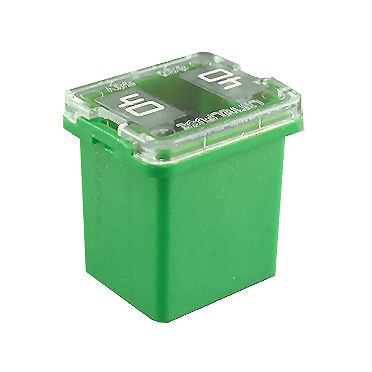
The keyless entry fuse is a dedicated protection element installed in the power distribution path of remote keyless entry (RKE) modules, antennas, and receiver circuits. By isolating the RKE subsystem from the main vehicle harness, this fuse prevents overcurrent damage caused by wiring faults, moisture ingress, or incorrect service operations. In contemporary vehicles that integrate door control units, immobilizers, and smart key receivers, the fuse rating, time‑current characteristics, and mounting position directly influence system stability and user experience. Correct selection and placement help maintain constant communication between the key fob and on‑board electronics while meeting automotive safety and EMC regulations.
Key application scenarios in automotive electronic platforms
In passenger cars, the keyless entry fuse typically protects the RKE control module, RF receiver, and associated LIN or CAN interface lines that manage door locks, trunk release, and panic functions. SUV and pickup platforms often add separate fuses for sliding doors, liftgates, or tailgate step modules to isolate localized shorts without disabling the whole vehicle network. Premium vehicles that integrate passive entry and passive start (PEPS) rely on multiple low‑current fuses to safeguard interior and exterior antenna loops placed in doors, bumpers, and the center console. Commercial fleets and car‑sharing systems use dedicated fused lines to protect telematics units that synchronize digital keys via cellular or Bluetooth links, reducing downtime caused by electrical faults.
Performance advantages and protection characteristics
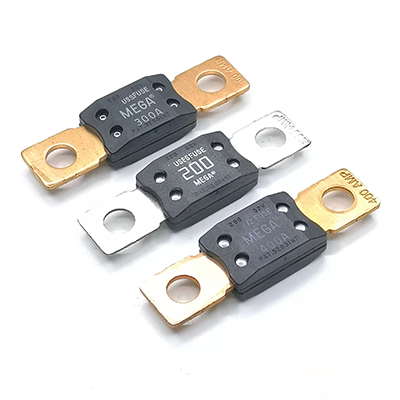
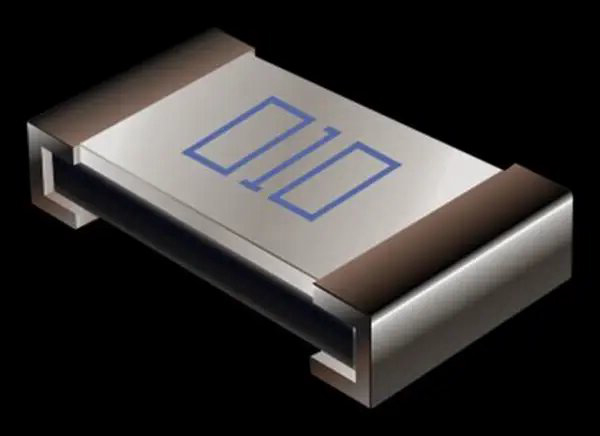
A well‑engineered keyless entry fuse delivers stable current limiting and fast interruption under fault conditions while keeping voltage drop minimal during normal operation. Typical blade or mini‑blade automotive fuses offer standardized footprints, vibration resistance, and predictable melting curves aligned to ISO and SAE requirements. Low‑profile and micro‑fuses support compact body control modules where space is constrained yet thermal performance must remain within strict margins. By coordinating fuse ratings with the inrush current of RKE modules and the peak load of actuators, designers prevent nuisance blowing when door locks operate, but guarantee rapid disconnection during short circuits, preventing PCB trace burning and connector damage.
Design considerations, selection, and integration
When specifying keyless entry fuses, engineers analyze typical RKE operating currents, RF receiver standby loads, and environmental temperature ranges around the junction box or body control module. Safety margins are applied so the fuse survives repeated lock‑unlock cycles, heating from nearby components, and jump‑start events on the vehicle battery. Coordination with upstream fuses and circuit breakers avoids overlapping protection zones that complicate diagnostics. Clear labeling on fuse boxes and service manuals enables maintenance technicians to quickly trace RKE failures to a specific fuse, reducing troubleshooting time. Using corrosion‑resistant fuse terminals and sealed housings enhances durability in regions exposed to road salt and humidity.
Impact on user experience, diagnostics, and system uptime
The performance of the keyless entry fuse influences how drivers perceive vehicle quality. A correctly sized fuse ensures consistent door locking response, reliable trunk opening, and stable passive entry range. When faults occur, controlled fuse operation limits damage so the RKE module can often be restored by replacing a low‑cost fuse rather than an entire control unit. Integration with on‑board diagnostics allows body control modules to log undervoltage or power loss events on the fused line, helping service centers identify whether a blown fuse, damaged harness, or module failure caused the issue. This approach supports higher system uptime, fewer warranty claims, and stronger trust in remote locking functions.
Keyless entry fuse FAQs
1. Why does the keyless entry system need a dedicated fuse?
The dedicated fuse isolates the RKE electronics from the main harness, preventing overcurrent events from damaging RF receivers, microcontrollers, and antenna networks, and ensuring faults remain localized.
2. How is the rating of a keyless entry fuse determined?
Engineers select the rating based on steady‑state current of RKE modules, peak actuator loads, ambient temperature, and coordination with upstream protection so that normal operation is unaffected while short circuits trigger rapid disconnection.
3. What symptoms indicate a possible keyless entry fuse failure?
Typical symptoms include loss of remote lock and unlock, inoperative trunk release, reduced passive entry range, or intermittent RKE response, while other vehicle electrical systems continue to function normally.