Lockable Battery Box Shock Absorption Ensures Safer Transport of Vehicle Power Packs
News 2025-11-17
Lockable battery box shock absorption guarantees safe vehicle battery transport
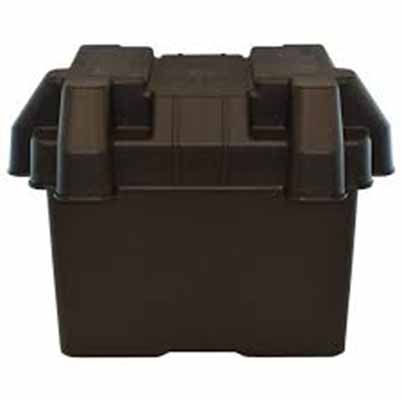
Secure containment for high-value energy systems
A lockable battery box is no longer just a metal shell; it is a safety system designed for traction batteries used in electric vehicles, forklifts, AGVs, logistics robots, and backup power modules. During road or off-road transport, cells are exposed to vibration, impact, and sudden deceleration that can damage internal structures or connectors. A robust mechanical lock and tamper‑resistant hinges keep the box sealed, while the enclosure is engineered to meet IP and IK ratings relevant to automotive and industrial standards. By integrating structural reinforcement with dedicated shock‑absorbing elements, the box protects lithium‑ion packs from both mechanical abuse and unauthorized access during shipping, handling, and field operation.
Multi-layer shock absorption for vibration and impact control
Modern lockable battery boxes combine several damping technologies to manage dynamic loads. Internal mounting rails with elastomer isolators decouple the battery modules from the enclosure, limiting the transmission of high‑frequency vibration from the vehicle chassis. High‑density foam or rubber pads are positioned around key stress points to cushion side impacts and reduce peak g‑forces on cell tabs and busbars. Optional spring‑damped trays or floating frames further stabilize heavy packs in trucks, construction machinery, and marine platforms. This multi-layer approach lowers the risk of microcracks in electrodes, loose welds, connector fatigue, and insulation wear, significantly extending battery service life in demanding transport conditions.
Application scenarios across vehicles and logistics chains
Lockable shock‑absorbing battery boxes are used across a wide range of scenarios. In electric passenger cars and commercial vans, they protect traction batteries during factory shipment and dealer distribution, supporting OEM quality and warranty strategies. In warehouse automation, AGVs and pallet shuttles rely on swappable battery boxes that must endure continuous docking, lifting, and shuttling between charging stations. Rental fleets, mining vehicles, and port machinery require rugged enclosures that can be transported by crane, forklift, or flatbed in harsh environments without compromising safety. For energy storage systems and mobile power carts, the same designs ensure that high‑capacity battery packs arrive on site intact, compliant with transport regulations and ready for immediate integration.
Performance advantages and safety compliance
A well‑engineered lockable battery box delivers clear performance benefits for manufacturers, integrators, and operators. Optimized shock absorption reduces failure rates, unplanned downtime, and warranty returns by protecting cells, BMS boards, and high‑current connectors. Mechanical locks with key or electronic access control support safe handling procedures and reduce the risk of theft or tampering during transit. Corrosion‑resistant materials, thermal insulation options, and integrated venting or pressure‑relief features improve safety under abnormal conditions. Designs can be tailored to meet UNECE R100, UN38.3, and relevant ISO and IEC standards, helping OEMs demonstrate compliance while enhancing SEO‑friendly attributes such as “safe EV battery transport”, “shock‑proof battery enclosure”, and “lockable lithium battery box” in technical product descriptions.
FAQ on lockable shock-absorbing battery boxes
1. How does shock absorption protect EV batteries during transport?
Shock absorption reduces vibration and impact transmitted to cells, busbars, and electronics, decreasing mechanical stress and preventing internal damage that can shorten battery life or cause malfunction.
2. Where are lockable battery boxes most commonly used?
They are widely used in electric vehicles, AGVs, logistics robots, rental battery fleets, industrial machinery, and mobile energy storage systems that require frequent transport and high safety margins.
3. What design features should buyers look for?
Key factors include certified shock‑absorbing mounts, durable locking mechanisms, corrosion‑resistant materials, suitable IP and IK ratings, and compatibility with relevant EV and battery transport standards.