Low Profile Fuse Solutions Enabling Compact High-Density Small Vehicle Circuit Design
News 2025-11-17
Low-profile fuses have become a key protection device in compact automotive and micro‑mobility electronics, where every millimeter of vertical height matters. As small vehicles integrate more control, connectivity, and safety functions into limited dashboard, battery pack, and lighting compartments, designers need circuit protection that preserves space without compromising performance. Low-profile fuse constructions address this challenge by combining slim form factors, stable time‑current characteristics, and high interrupt ratings tailored to modern low-voltage DC architectures.
Space-Saving Construction For Dense PCB Layouts
Low-profile fuses reduce overall component height, enabling tighter stacking of PCBs and modules in small vehicle architectures such as e‑scooters, compact EVs, neighborhood electric vehicles, and utility carts. Their flat bodies and minimized lead lengths support short current paths and low parasitic inductance, which benefit high-speed control circuits and DC‑DC converter stages. Surface‑mount versions suit automated pick‑and‑place assembly, while mini blade and plug‑in variants drop into low-height holders on wiring harnesses. This construction approach helps engineers meet enclosure thickness targets, improve airflow around hot components, and unlock new packaging options in instrument clusters, LED lighting strips, battery management boards, and motor controllers.
Performance Characteristics In Modern Low-Voltage Systems
These fuses are engineered to deliver precise protection in 12–60 V DC small vehicle systems, handling fault conditions ranging from wiring shorts to semiconductor failures. Tight tolerance on current ratings and carefully defined time‑delay curves allow selective coordination: upstream fuses remain intact while local branches clear quickly during faults. Many low-profile fuse families provide high interrupt ratings, ensuring safe operation under high inrush and fault currents present in traction inverters, starter generators, and high-torque hub motors. Stable resistance over temperature supports predictable power loss and thermal behavior, which simplifies derating calculations during design of sealed housings and under‑seat electronics.
Application Scenarios In Small Vehicle Electronics
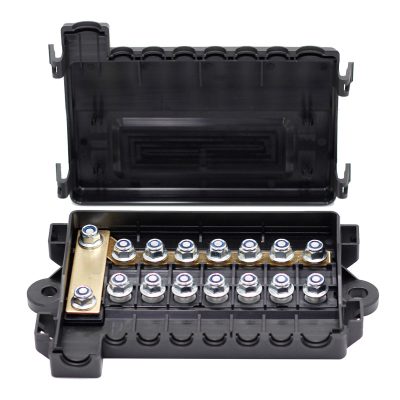
Low-profile fuses see extensive use across small vehicle platforms wherever space and serviceability intersect. Typical locations include battery pack distribution, where compact fuses protect individual strings and accessory rails while fitting under low covers. In body electronics, they secure window lifters, steering locks, door control modules, and HVAC blowers located in tight dashboard or console spaces. Lighting systems use them to safeguard LED drivers and signal lamps, especially in narrow lamp housings. In powertrain and chassis controllers, low-profile fuses defend microcontrollers, sensors, and communication buses against transient faults and wiring damage. Their small footprint also suits telematics units, USB charging hubs, infotainment, and aftermarket accessories installed into already crowded fuse boxes.
Key Advantages Over Conventional Fuse Formats
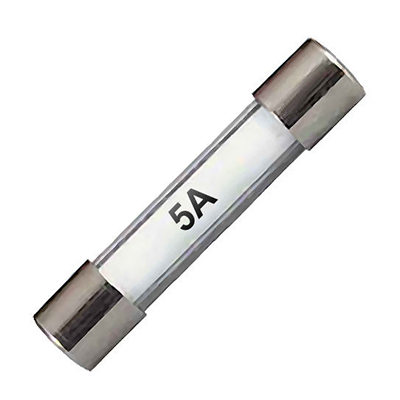
Compared to taller cartridge or standard blade devices, low-profile fuses deliver improved volumetric efficiency, allowing higher circuit counts within the same fuse block or PCB area. Reduced mass and shorter leads help improve vibration resistance, an important factor in two‑wheelers and off‑road utility vehicles facing constant mechanical shock. Many series use high‑temperature plastics and robust metallization that withstand elevated ambient conditions around batteries and power electronics. Their standardized footprints and clear amperage markings simplify replacement and field service, supporting modular platform strategies across different small vehicle models. The combination of mechanical robustness, thermal endurance, and consistent electrical behavior makes low-profile fuses a strong match for long‑life, low-maintenance applications.
Selection Considerations And Design Best Practices
When specifying a low-profile fuse, engineers evaluate continuous load current, expected inrush, short‑circuit levels, ambient temperature, and available installation height. Proper derating based on thermal environment and grouping effects inside fuse blocks ensures adequate margin under worst‑case conditions. Coordinating fuse ratings with wire gauges and PCB trace widths maintains compliance with automotive and mobility safety standards. Designers also consider service aspects: blade types may be preferred in user‑accessible panels, while SMD variants fit sealed electronic control units. Early collaboration between electrical, mechanical, and thermal teams allows fuse placement that optimizes airflow, accessibility, and sensing accuracy for nearby temperature or current monitors.
1What small vehicle platforms benefit most from low-profile fuses?
They are particularly beneficial in compact EVs, e‑scooters, electric motorcycles, neighborhood electric vehicles, and utility carts where enclosure height and PCB stacking space are tightly limited.
2How do low-profile fuses improve reliability in harsh environments?
Their low mass, reinforced housings, and optimized lead structures enhance vibration resistance, while high‑temperature materials maintain performance near batteries, motors, and power electronics.
3Are low-profile fuses suitable for both OEM and aftermarket applications?
Yes, standardized footprints and clear ratings make them suitable for factory installations and retrofits, including accessory circuits, lighting upgrades, and telematics modules in small vehicles.