Mass Airflow Sensor Fuse Safeguards MAF Sensor From Electrical Damage In Modern Vehicles
News 2025-11-17
The mass airflow (MAF) sensor is a core component in modern engine management, measuring how much air enters the intake so the ECU can calculate the correct fuel dose. To protect this precision device from voltage spikes, wiring faults, and short circuits, many automotive designs integrate a dedicated mass airflow sensor fuse. By acting as an intentional weak link in the electrical path, the fuse disconnects power when abnormal current flows, preventing sensor burnout, ECU damage, or melted harnesses that could lead to costly downtime and safety concerns.
Function And Design Role Of The MAF Sensor Fuse
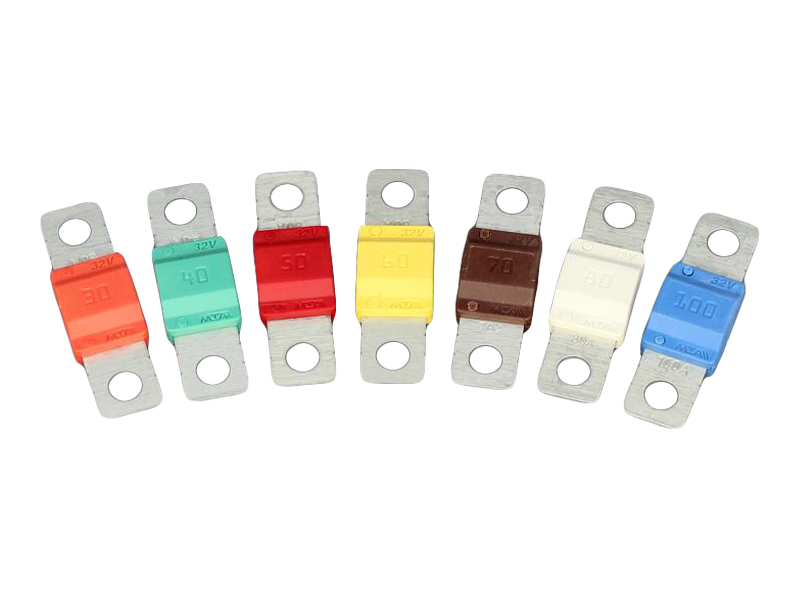
The mass airflow sensor fuse is placed in the power supply circuit that feeds the MAF sensor and sometimes related intake devices. Under normal operating conditions, it presents negligible resistance, maintaining stable voltage and clean power delivery. When current exceeds the rated value due to shorted wiring, internal sensor failure, or incorrect retrofitting of aftermarket parts, the fuse element heats up and opens the circuit. This sacrificial action limits damage to low-cost, easily replaceable parts. In automotive engineering, this simple design choice becomes a key layer in functional safety strategies that protect both electronics and vehicle occupants.
Key Performance Advantages And Protection Capabilities
Selecting the correct mass airflow sensor fuse improves system robustness significantly. Proper current rating, fast-acting characteristics, and accurate breaking capacity allow the fuse to clear faults before heat spreads into the sensor housing or adjacent harnesses. High-quality fuses maintain tight tolerance over temperature ranges common in engine bays, resisting vibration and thermal cycling. Stable fuse behavior helps prevent intermittent sensor power loss that might trigger engine hesitation, poor fuel economy, or unstable idle. When sized in line with OEM specifications, the fuse preserves MAF sensor accuracy, supports consistent emissions control, and extends overall component life.
Application Scenarios In Engine Management Systems
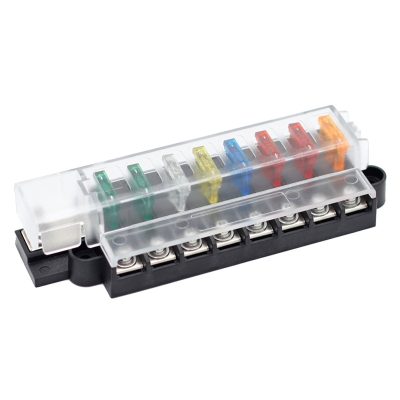
Mass airflow sensor fuses are widely applied in gasoline and diesel passenger cars, light commercial vehicles, and heavy-duty trucks using electronically controlled fuel injection. They are found in both under-hood fuse boxes and compact inline holders close to the sensor connector. These fuses become especially important in vehicles equipped with turbochargers, variable intake systems, or aftermarket performance modifications, where wiring changes or added devices increase the risk of electrical faults. Fleet operators, repair shops, and performance tuners rely on correctly specified MAF fuses to protect sensors during diagnostic work, ECU reflashing, or accessory installation, minimizing unplanned failures.
Selection, Maintenance, And Troubleshooting Considerations
Choosing the appropriate mass airflow sensor fuse requires checking the OEM wiring diagram, current consumption of the MAF sensor, and environmental conditions around the fuse location. Technicians should match fuse type, rating, and footprint to manufacturer recommendations and avoid oversizing, which would weaken protection. During troubleshooting of MAF-related error codes, a blown fuse is one of the first inspection points. Signs such as no sensor voltage, repeated fuse failures, or burnt connectors often indicate deeper wiring or sensor faults. Using quality fuses from reputable component suppliers ensures consistent performance, supports compliance with emissions regulations, and reduces repeat visits to the workshop.
1. What happens when the mass airflow sensor fuse blows?
The MAF sensor loses power, causing the ECU to enter a fallback mode that can trigger warning lights, reduced engine performance, and increased fuel consumption.
2. Can I install a higher-rated fuse to prevent it from blowing again?
Using a higher-rated fuse is not recommended, because it may allow excessive current to reach the MAF sensor and wiring, leading to permanent damage and safety hazards.
3. Where is the mass airflow sensor fuse usually located?
It is typically located in the engine compartment fuse box or in an inline holder near the MAF sensor harness, as indicated in the vehicle’s service documentation.