Maximizing Safety and Reliability in RV and Camper Electrical Systems with Car Fuses
News 2025-10-13
In the realm of recreational vehicles and campers, electrical systems are the backbone of modern conveniences, powering everything from lighting to appliances. Car fuses serve as critical safeguards, protecting against short circuits and overloads that could compromise safety or damage equipment. These components are especially vital in the 12V DC environments typical of RVs and campers, where vibrations and environmental factors increase the risk of electrical failures. By ensuring proper fuse selection and installation, owners can enhance system reliability and prevent costly downtime during trips.
Key Types and Performance Benefits
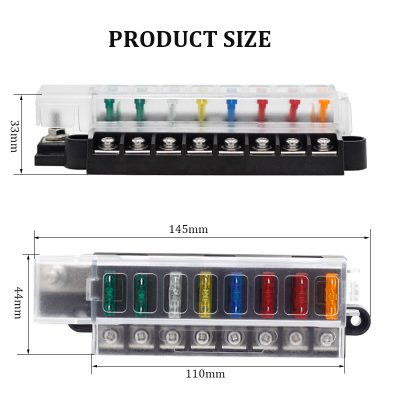
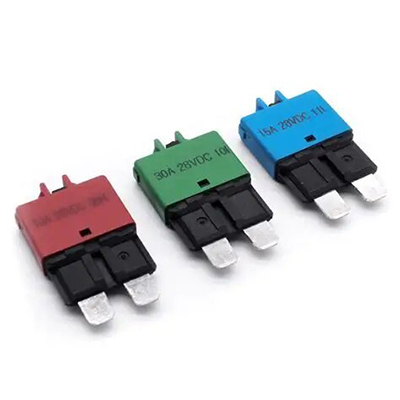
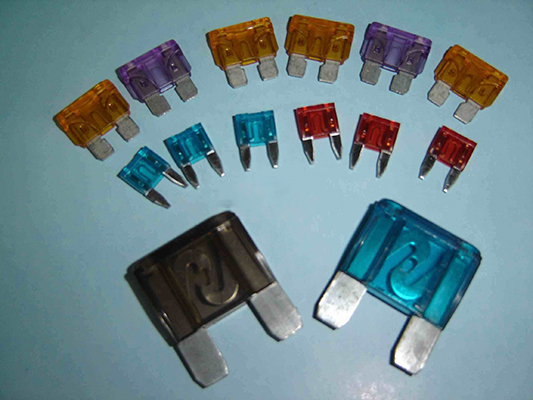
Car fuses come in various types, such as blade, glass tube, and maxi fuses, each offering distinct advantages for RV applications. Blade fuses, for instance, are compact and easy to inspect, making them ideal for space-constrained camper setups. Their performance shines in rapid response times, melting quickly to cut off current flow during faults, thus minimizing damage. In RVs, where electrical loads fluctuate, these fuses provide superior protection with high interrupt capacities, ensuring longevity and reducing the need for frequent replacements compared to older fuse designs.
Practical Applications in RV Environments
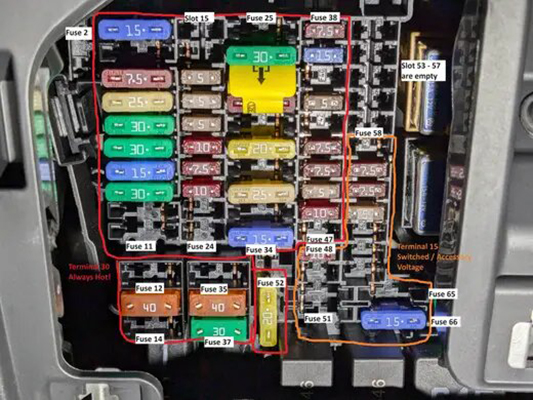
In RV and camper electrical setups, car fuses are applied across diverse scenarios, from protecting battery charging circuits to safeguarding entertainment systems. For example, in a camper’s lighting array, fuses prevent overheating by interrupting power when amperage exceeds safe limits. Performance advantages include enhanced durability against moisture and temperature extremes, common in outdoor use. This reliability allows for seamless integration with solar panels or inverters, ensuring that critical systems remain operational, thereby supporting extended off-grid adventures with minimal maintenance.
Common Questions and Answers
1. What types of car fuses are best for RV use?
Answer: Blade fuses are often recommended for their compact size and ease of use in RVs, while glass fuses may suit older systems; always match the fuse to the circuit’s voltage and amperage requirements.
2. How can I test a car fuse in my camper?
Answer: Use a multimeter to check continuity; a good fuse shows low resistance, while a blown one has infinite resistance—replace it with the correct amperage rating immediately.
3. What are the risks of using the wrong fuse amperage?
Answer: Using a higher amperage fuse can lead to overheating and fires, whereas a lower one might blow frequently, causing unnecessary disruptions; always adhere to manufacturer specifications for safety.