Mitigating Component Wear In Fuse Box Assemblies That Triggers Sudden Power Loss Events
News 2025-12-22
Unexpected power loss in industrial and automotive systems is often traced to subtle component wear in the fuse box. Over time, thermal cycling, vibration, and environmental contaminants degrade contacts, terminations, and insulating materials. The result can be intermittent outages, nuisance shutdowns, and unexplained resets of critical loads. Understanding the mechanisms of wear and implementing targeted design and maintenance strategies protects uptime, improves safety, and extends system life across demanding application scenarios.
Typical Application Environments And Stress Factors
Fuse boxes operate in harsh settings: engine compartments, outdoor power cabinets, rail vehicles, and compact industrial control panels. In these environments, high current density, frequent load changes, and ambient temperatures above 80°C are common. Repeated inrush currents heat metal contacts, while vibration loosens terminals and promotes micro‑fretting corrosion. Dust, moisture, and road salt further accelerate oxidation. Where power distribution supports motors, pumps, safety controllers, or communication gateways, even short interruptions can halt production lines or disable critical subsystems.
Key Wear Mechanisms Causing Power Loss
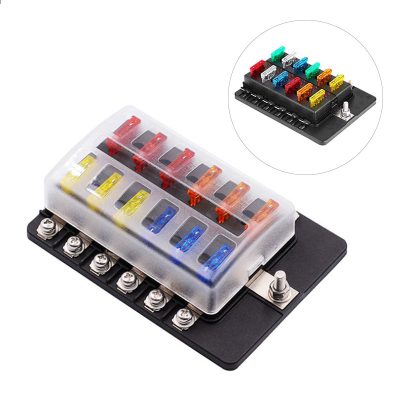
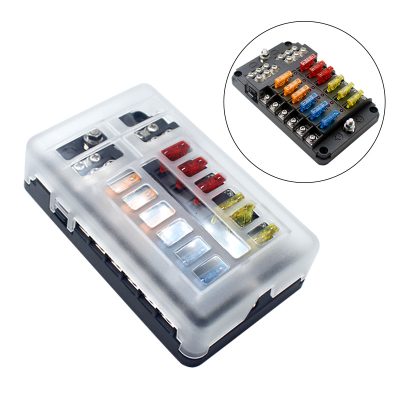
The most frequent root cause of unplanned power loss is progressive contact degradation. Increased contact resistance from oxidation or loss of spring force leads to localized heating, which softens plastics, warps metal clips, and can trigger thermal runaway. Hairline cracks in solder joints or crimp barrels produce intermittent opens when the assembly vibrates. Worn blade fuse sockets may no longer maintain sufficient contact pressure, especially under high current. In high‑density fuse boxes, poor heat dissipation accelerates aging of surrounding components, compounding failure rates over time.
Design And Component Choices That Improve Performance
Performance and service life improve significantly when fuse box assemblies are engineered around wear resistance. Silver‑ or tin‑plated copper contacts offer low, stable resistance and strong anti‑corrosion behavior. High‑temperature, UL‑rated thermoplastics maintain mechanical strength during thermal cycling and resist deformation near hotspots. Spring geometries designed for long‑term elasticity uphold contact pressure even after thousands of cycles. Integrating thermal spreaders, optimized airflow channels, and clear creepage distances helps maintain safe operating temperatures, supporting stable voltage delivery to mission‑critical loads.
Diagnostic Strategies And Predictive Maintenance
Modern power distribution architectures deploy monitoring features that detect wear long before catastrophic power loss. Voltage drop measurements across fuse positions, combined with current sensing, reveal rising contact resistance. Thermal imaging or integrated temperature sensors highlight abnormal hotspots under load. Logging transient events and brownouts helps correlate outages to particular fuse ways or harness segments. Paired with scheduled inspection and torque checks on terminals, these diagnostics support predictive replacement of sockets, fuses, and connectors, keeping fleets and production assets running at high availability.
Application Benefits And Integration Considerations
By selecting wear‑resistant fuse box components and incorporating real‑time monitoring, OEMs and system integrators gain measurable advantages. Critical applications such as EV power distribution units, wind turbine controllers, telecommunications base stations, and automated warehouse systems experience fewer unexpected shutdowns and reduced maintenance dispatches. Lower contact losses also cut heat generation and energy waste, improving overall efficiency. Well‑documented layouts, clear labeling, and modular, plug‑in designs simplify troubleshooting and expansion, reinforcing long‑term electrical reliability and total cost of ownership.
1What are early warning signs of fuse box wear?
Subtle indicators include recurring voltage dips under load, localized heating around particular fuses, discoloration of plastics, and intermittent resets of the same circuit.
2Which materials best resist fuse box contact wear?
Copper alloys with silver or tin plating, combined with high‑temperature thermoplastic housings and robust spring designs, offer strong resistance to oxidation, creep, and mechanical fatigue.
3How can designers reduce unexpected power loss in new projects?
Implement low‑resistance plated contacts, generous thermal margins, integrated sensing of current and temperature, and allow service access for periodic inspection and rapid component replacement.