Optimized Wire Harness Designs for Automotive Infotainment and Navigation
News 2025-10-31
In the automotive sector, infotainment and navigation systems are essential for providing advanced features like interactive displays and real-time mapping. Wire harnesses act as the core infrastructure, connecting electronic components to ensure smooth operation. Optimizing these designs focuses on enhancing efficiency, durability, and integration, which directly supports the growing complexity of vehicle electronics. This approach addresses challenges such as space constraints and electrical demands, leading to improved system performance in daily driving scenarios.
Key Applications in Modern Vehicles
Wire harnesses are critical in infotainment setups, linking touchscreens, audio units, and connectivity modules for seamless multimedia experiences. In navigation systems, they connect GPS sensors, antennas, and processors to deliver accurate routing and traffic updates. These applications extend to electric vehicles, where optimized harnesses support ADAS by handling high-speed data and power distribution. By adapting to specific vehicle architectures, such designs ensure reliability in diverse environments, from urban commutes to long-haul trips.
Performance Benefits of Refined Designs
Advanced wire harness optimizations reduce overall vehicle weight, contributing to better fuel economy and extended range in electric models. Enhanced material choices and layouts minimize signal loss and electromagnetic interference, resulting in clearer audio and precise navigation data. These improvements also streamline assembly processes, cutting manufacturing time and costs while boosting system longevity. Consequently, drivers experience fewer disruptions, with faster response times and greater dependability in critical functions.
Design Strategies for Enhanced Reliability
Effective optimization involves selecting high-grade materials that withstand temperature extremes and vibrations, ensuring long-term performance. Strategic routing and connector choices reduce complexity, facilitating easier installation and maintenance. Incorporating simulation tools during development helps predict potential failures, allowing for proactive adjustments. This methodical approach not only meets regulatory standards but also supports scalable designs for future upgrades in infotainment and navigation technologies.
Frequently Asked Questions
1、What defines a wire harness in automotive systems?
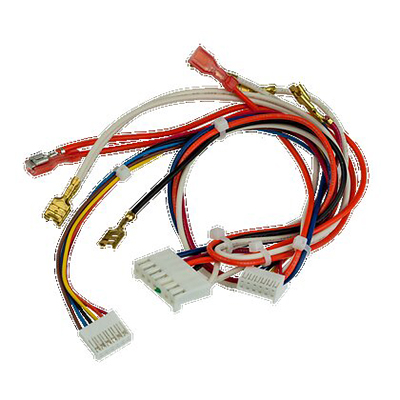
A wire harness is a bundled assembly of cables and connectors that organizes and protects electrical pathways, enabling efficient communication between components.
2、How does optimization improve infotainment functionality?
It enhances data transmission speed and reduces interference, leading to more responsive interfaces and reliable entertainment features during use.
3、What advantages do optimized designs offer for navigation accuracy?
They provide stable connections and better shielding, minimizing errors in GPS signals and ensuring precise, timely navigation assistance.