Optimized Wire Harness Designs for Electric Buses and Fleet Vehicles
News 2025-10-31
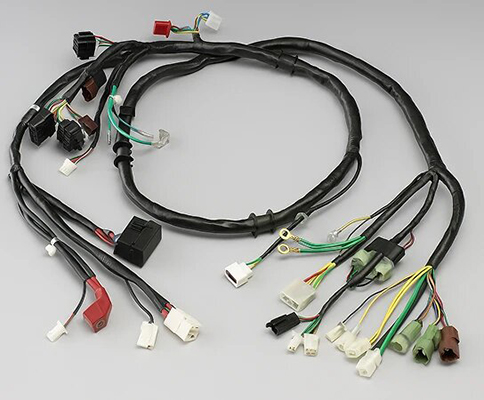
In the evolving landscape of electric transportation, wire harness designs are crucial for the reliability and efficiency of electrical systems in electric buses and fleet vehicles. These assemblies manage complex wiring networks that support functions such as power distribution, data communication, and system integration. As electrification advances, wire harnesses must handle high-voltage requirements, thermal challenges, and electromagnetic interference to meet industry standards and enhance vehicle performance.
Application Scenarios
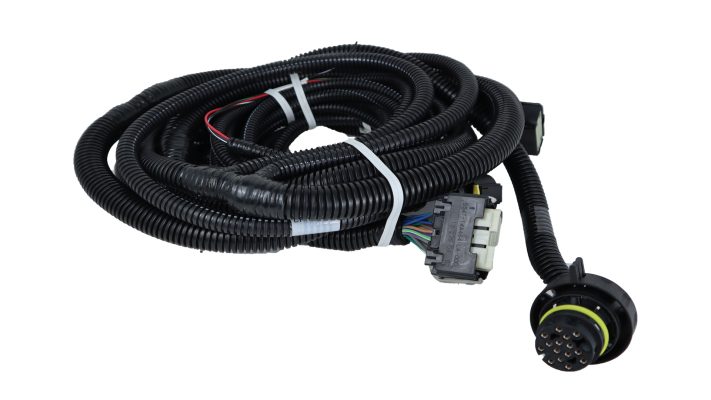
Wire harnesses are applied in diverse areas within electric buses and fleet vehicles. In the powertrain, they connect batteries to motors and inverters, facilitating smooth energy flow. For auxiliary systems like lighting, heating, and entertainment, they provide dependable connections. In fleet operations, wire harnesses integrate with GPS and diagnostic systems, aiding in efficient management and maintenance.
Performance Advantages
Key advantages of optimized wire harness designs include reduced weight for better energy efficiency, increased durability against harsh conditions, and improved electrical conductivity. These features lead to longer vehicle lifespan, lower operational costs, and enhanced safety. By minimizing wiring complexity, they also simplify assembly and reduce potential failure points.
Frequently Asked Questions
1. What is a wire harness?
A wire harness is an assembly of wires and connectors used to transmit electrical power and signals in vehicles.
2. Why are they important for electric buses?
They manage high-voltage systems safely and ensure reliable performance in demanding applications.
3. What materials are commonly used?
Common materials include copper conductors, insulating plastics, and protective sheaths for durability and flexibility.