Optimizing vehicle safety through dedicated auxiliary power outlet fuse protection
News 2025-11-17
Auxiliary power outlets have become standard features in modern vehicles, powering everything from phone chargers and navigation devices to portable refrigerators and air pumps. To keep these extra 12 V ports safe and functional, manufacturers integrate a dedicated auxiliary power outlet fuse into the electrical architecture. This small component isolates faults, protects wiring from overheating, and helps prevent damage to sensitive electronic accessories, which is vital as vehicles carry more high‑current loads and consumer electronics than ever before.
Function and role of the auxiliary power outlet fuse
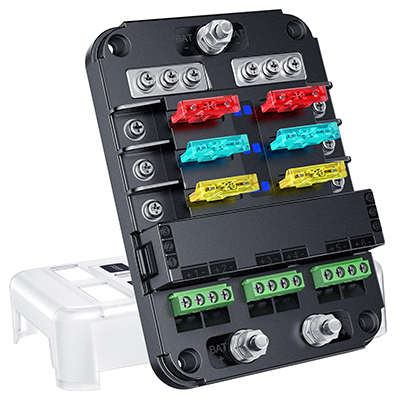
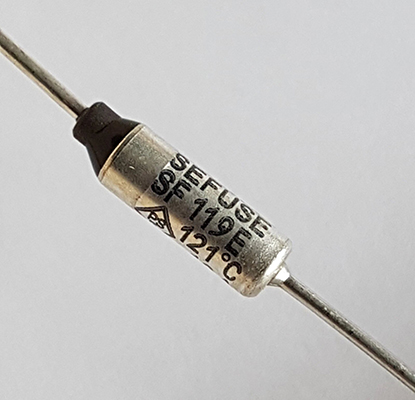
The auxiliary power outlet fuse is placed in the vehicle’s fuse box in series with the 12 V accessory circuit. Its primary role is to interrupt current flow when an overload, short circuit, or internal fault occurs in an external device or in the outlet wiring. By opening the circuit in milliseconds, the fuse keeps conductors below their thermal limit and shields upstream modules such as the body control unit or power distribution center. Correct fuse rating selection, typically between 10 A and 20 A for standard outlets, must balance sufficient headroom for transient peaks against tight enough protection to avoid wire insulation damage.
Key performance characteristics and advantages
High‑quality auxiliary power outlet fuses are designed for stable performance across the harsh automotive environment. Important parameters include precise current‑time curves, surge tolerance, and vibration resistance to meet ISO and SAE standards. Blade‑type fuses commonly used in passenger cars offer low contact resistance, compact size, and easy field replacement. Their controlled melting characteristics minimize nuisance opens during inrush currents from compressors or heated seat adapters while still reacting rapidly under genuine fault conditions. This predictable behavior reduces the risk of thermal events, improves overall electrical reliability, and prolongs the service life of connected consumer devices.
Application scenarios in passenger and commercial vehicles
The auxiliary power outlet fuse protects a wide array of application scenarios. In passenger cars, drivers rely on 12 V sockets for smartphone fast charging, dash cameras, tire inflators, and portable coolers during long trips. In SUVs and recreational vehicles, multiple fused outlets may support camping equipment such as LED lighting, small inverters, and folding power tools. Commercial fleets use fused accessory ports to supply GPS trackers, telematics terminals, printers, and handheld scanners. In each scenario, the fuse acts as a barrier between sometimes low‑quality aftermarket accessories and the vehicle’s core electrical system, reducing downtime and maintenance costs.
Design considerations, selection, and maintenance
When engineers design auxiliary power outlet circuits, they must consider wiring gauge, outlet placement, and total accessory load to specify the correct fuse type and rating. Using an undersized fuse leads to frequent blows, while an oversized rating increases fire risk under fault conditions. OEMs typically position these fuses in easily accessible locations so end users can replace them without specialized tools. From a maintenance standpoint, drivers should avoid daisy‑chaining multiple devices through splitters, respect the current rating printed near the outlet, and always use replacement fuses of the specified amperage. Routine inspection of the fuse box and outlet contacts prevents corrosion‑related heating and helps maintain stable voltage delivery to sensitive electronics.
1. What happens if I plug too many devices into a 12 V outlet?
Connecting multiple high‑power accessories through adapters can exceed the fuse rating, causing the auxiliary power outlet fuse to blow and shut down the port, preventing damage to wiring and the vehicle harness.
2. Can I replace a blown auxiliary power outlet fuse with a higher‑amp fuse?
Using a higher‑amp fuse than specified is unsafe, because the wiring and outlet may not be rated for the increased current, which can lead to overheating or fire under fault conditions.
3. How do I know which fuse protects the auxiliary power outlet?
Most vehicles identify the auxiliary power outlet fuse in the owner’s manual and on the fuse box cover, often labeled as “ACC,” “PWR OUTLET,” or “12 V SOCKET,” along with the corresponding amperage rating.