Optimizing Vehicle Safety with Advanced Fuses for Cruise Control Systems
News 2025-10-13
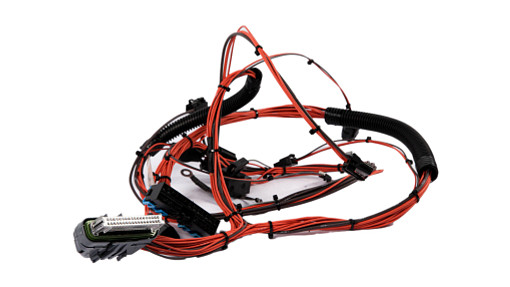
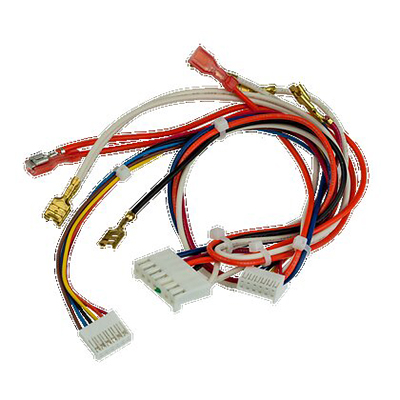
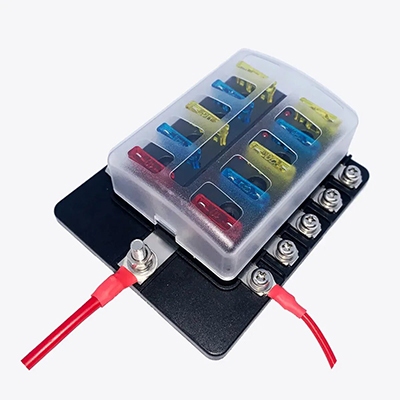
Car fuses play a critical role in safeguarding the electronic components of vehicles, particularly in systems like cruise control modules. These small but essential devices protect against electrical overloads and short circuits, ensuring reliable operation and preventing potential damage. In the context of cruise control, which maintains a steady speed without driver intervention, fuses act as the first line of defense for sensitive circuitry. This article explores how properly selected fuses enhance performance in modern automotive applications, highlighting their importance in vehicles ranging from sedans to SUVs.
Performance Advantages of Car Fuses
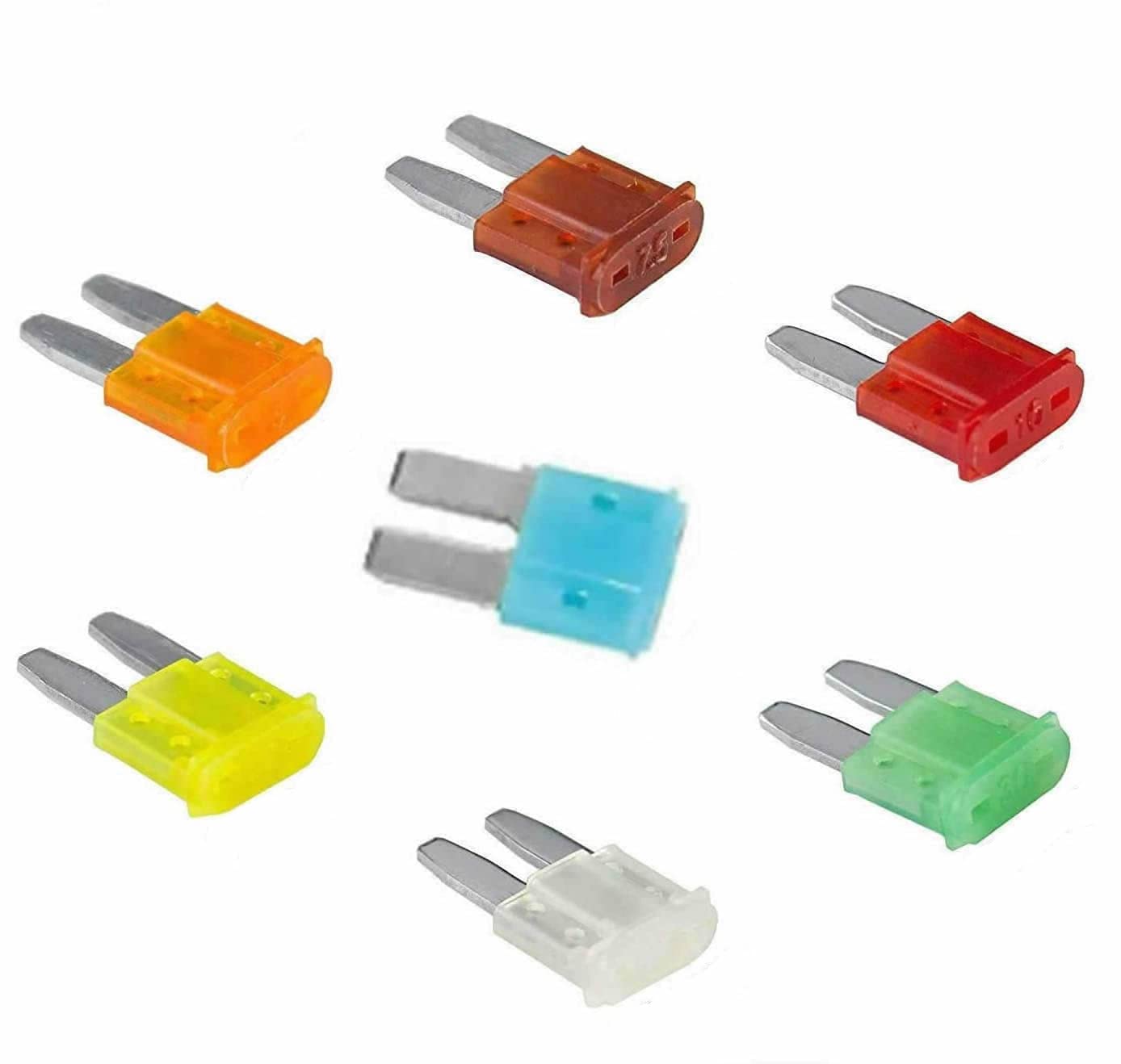
Modern car fuses for cruise control modules offer significant benefits in terms of reliability and efficiency. They feature fast-acting mechanisms that interrupt current flow within milliseconds during faults, minimizing risks to the module’s delicate electronics. High-quality fuses boast enhanced thermal stability and resistance to vibration, common in automotive environments, which ensures longevity even under extreme conditions. By incorporating materials like ceramic or blade-style designs, these fuses provide precise protection tailored to the module’s voltage and amperage needs, ultimately improving overall system responsiveness and safety.
Key Application Scenarios
In practical settings, car fuses for cruise control modules are vital in various driving situations. For instance, during long highway drives, they protect against power surges that could disrupt speed maintenance, ensuring consistent performance. In adaptive cruise systems that integrate with radar or sensors, fuses safeguard against electrical anomalies caused by weather or road hazards. Additionally, in electric and hybrid vehicles, these fuses are crucial for maintaining the integrity of the control module amid fluctuating energy demands, thereby supporting advanced driver-assistance features and enhancing fuel efficiency.
Frequently Asked Questions
1. What is the typical amperage for cruise control fuses?
A standard cruise control fuse usually ranges from 5 to 15 amps, depending on the vehicle’s make and model, to handle specific circuit loads without tripping unnecessarily.
2. How often should these fuses be checked?
Inspect fuses every 6 months or during routine vehicle maintenance to ensure they are not blown and the connections remain secure, preventing unexpected system failures.
3. Can a faulty fuse affect cruise control accuracy?
Yes, a faulty fuse can lead to intermittent operation or complete failure of the cruise control, as it might not protect against overloads that disrupt electronic signals.