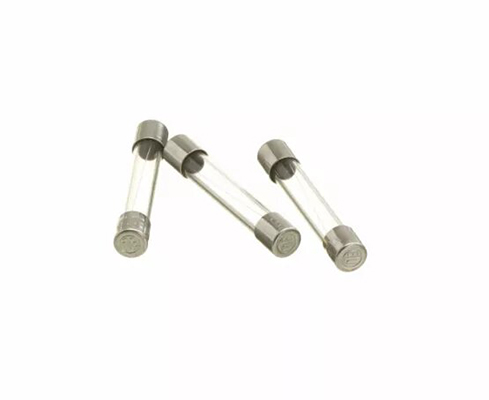
Oxygen sensor fuse protects oxygen sensor electrical connections in harsh automotive environments
News 2025-11-17
Oxygen sensor circuits in modern vehicles operate in demanding thermal and electrical conditions, making dedicated protection indispensable. A correctly specified oxygen sensor fuse protects oxygen sensor electrical connections from short circuits, overloads, and wiring faults that could damage the sensor or engine control unit (ECU). By isolating abnormal current spikes, the fuse helps maintain accurate exhaust gas feedback, stable air-fuel ratios, and compliance with stringent emission regulations, while also improving long-term system reliability.

Key function of the oxygen sensor fuse in vehicle systems
The oxygen sensor fuse is a precisely rated overcurrent protection element placed in series with the sensor supply or heater circuit. Its primary role is to interrupt current if insulation damage, connector corrosion, or harness chafing creates a low-resistance path. During normal operation, the fuse adds negligible resistance, preserving sensor response time and signal integrity. When fault conditions arise, the fuse opens the circuit before excessive heat can degrade wiring, connectors, or the sensor’s internal ceramic element, protecting both safety and diagnostic accuracy.
Typical application scenarios and integration methods
In passenger cars, light trucks, and commercial vehicles, oxygen sensor fuses are commonly located within the engine bay fuse box or integrated into specialized ECU harness modules. Multi-sensor platforms, such as engines equipped with upstream and downstream O2 sensors or wideband AFR sensors, rely on separate fuse channels to prevent a single fault from disabling all feedback loops. Hybrid and turbocharged engines, which operate at higher exhaust temperatures and involve more complex control algorithms, particularly benefit from carefully coordinated fuse ratings matched to sensor heater current and startup inrush profiles.
Performance benefits and selection considerations
A well-chosen oxygen sensor fuse contributes to higher overall system uptime and reduced maintenance costs. Stable fuse characteristics across a broad temperature range help prevent nuisance openings during cold starts or high-load operation. Designers focus on features such as fast interruption of high fault currents, low voltage drop, and strong vibration resistance to withstand engine compartment conditions. When selecting a fuse, engineers evaluate sensor heater power, wiring gauge, ambient temperature, and applicable automotive standards, ensuring that protection is robust yet does not interfere with ECU control strategies or on-board diagnostics.
Impact on diagnostics, maintenance, and emissions compliance
Oxygen sensor fuse integrity directly influences diagnostic procedures and emission performance. A blown fuse may cause immediate OBD fault codes, limp-home strategies, or increased fuel consumption due to loss of closed-loop control. Clear fuse labeling and accessible placement streamline troubleshooting for maintenance technicians, who can quickly distinguish between sensor failure and upstream power loss. In fleet applications, using high-quality fuses reduces unexpected downtime and supports adherence to emission inspection schedules by keeping oxygen sensor feedback stable throughout the vehicle’s service life.
1. Where is the oxygen sensor fuse usually located?
It is typically located in the engine compartment fuse block or a dedicated ECU-related fuse panel, identified by markings referencing the oxygen sensor or heater circuit.
2. What symptoms indicate a blown oxygen sensor fuse?
Common signs include illuminated check engine lights, poor fuel economy, failed emission tests, and diagnostic trouble codes indicating sensor heater or circuit malfunction.
3. How should engineers choose the correct oxygen sensor fuse rating?
They should match the fuse to the sensor heater current, harness capacity, and expected inrush, while following automotive safety standards and ensuring fast interruption of potential short-circuit conditions.