Power steering fuse safeguards electric power steering system components in demanding vehicles
News 2025-11-17
Power steering fuse safeguards electric power steering system components
Role of the power steering fuse in EPS protection
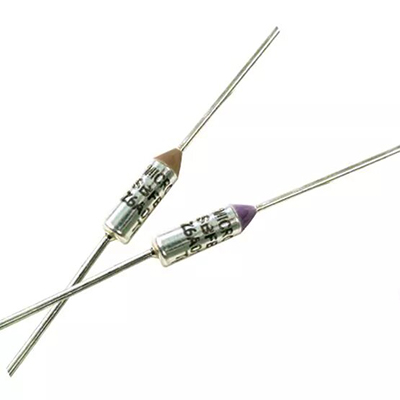
The power steering fuse is a core protection element in modern electric power steering (EPS) architectures. As vehicles migrate from hydraulic assistance to electric and electro‑hydraulic platforms, the electronic control unit, brushless motor, angle sensors, and wiring harness become highly sensitive to overcurrent and short‑circuit events. A properly specified fuse isolates faults within milliseconds, preventing thermal runaway in copper traces, connector terminals, and semiconductor devices. This function protects the steering column, rack‑assist modules, and integrated control boards, helping automakers comply with functional safety targets such as ISO 26262 and OEM‑specific reliability standards.
Key performance features and electrical characteristics
Power steering fuses used in EPS lines must support high continuous currents, typically 40–100 A or more, while maintaining low voltage drop to limit power loss and heat generation in confined spaces. Precise time‑current characteristics allow them to withstand brief inrush currents from motor startup and regenerative events yet open quickly under sustained overloads. High interrupt ratings are required to safely clear faults in 12 V and 48 V electrical architectures. Robust temperature derating behavior and vibration‑resistant construction ensure stable protection under thermal cycling, engine bay contaminants, and harsh road profiles that can otherwise degrade fuse elements or end caps.
Application scenarios in modern vehicle platforms
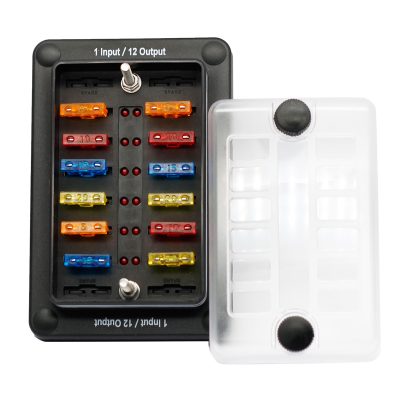
The steering fuse is typically located in the main fuse box or a dedicated EPS protection module, placed between the battery or power distribution unit and the EPS motor/ECU assembly. In column‑assist systems it safeguards compact integrated units behind the steering wheel, while in rack‑assist and belt‑drive systems it protects high‑torque motors mounted near the axle. It is equally important in passenger cars, electric SUVs, commercial vans, and heavy‑duty trucks that rely on EPS for lane keeping, park assist, and automated driving functions. In battery electric and hybrid vehicles the fuse helps maintain system stability during high load transitions, regenerative braking, and interaction between low‑voltage and high‑voltage domains.
Design, selection, and integration best practices
Engineers selecting a power steering fuse must assess maximum steering torque demand, motor efficiency, ambient temperature profile, and worst‑case fault scenarios. Coordination with upstream fuses, circuit breakers, and solid‑state switches prevents nuisance opening and ensures selective tripping of the EPS branch. Low‑ohmic designs minimize I²R losses, boosting overall energy efficiency and protecting surrounding plastics and PCB substrates from excess heat. Using sealed or splash‑proof fuse holders helps resist moisture and road salt, while clear physical labeling supports serviceability in aftermarket environments. Validation under real‑world vibration, shock, and thermal conditions confirms that the fuse maintains stable characteristics over the full vehicle life.
FAQs on power steering fuse applications
1Where is the power steering fuse usually located?
The steering fuse is commonly installed in the main engine‑bay fuse box or a dedicated EPS power module, positioned in the battery feed line that supplies the EPS motor and control unit.
2What symptoms indicate a blown power steering fuse?
Typical symptoms include a sudden loss of steering assist, EPS warning lamps on the dashboard, heavier steering effort at low speeds, and stored overcurrent or undervoltage fault codes in the vehicle diagnostic system.
3How should engineers size a fuse for electric power steering?
They should base the rating on maximum continuous current, allowable inrush, system voltage, ambient temperature, and required opening time under fault conditions, while coordinating it carefully with upstream protection and OEM safety requirements.