Premium Materials in Automotive Fuse Box Housings Deliver Superior Protection and Durability Across Various Vehicle Applications
News 2025-10-31
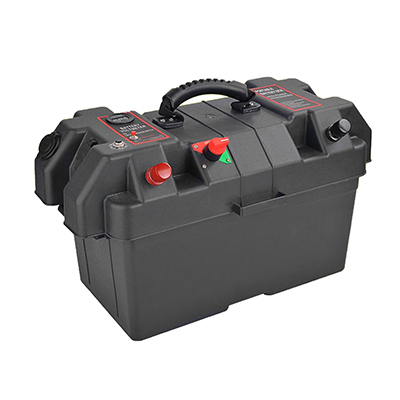
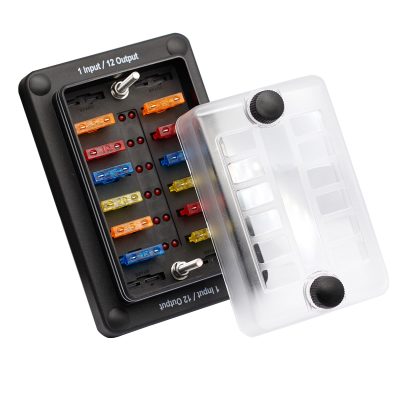
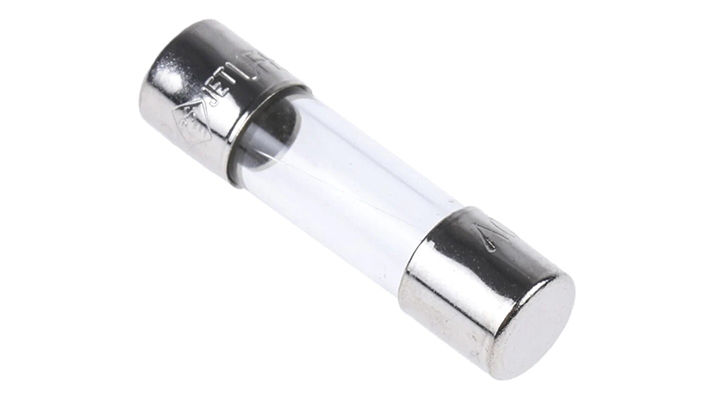
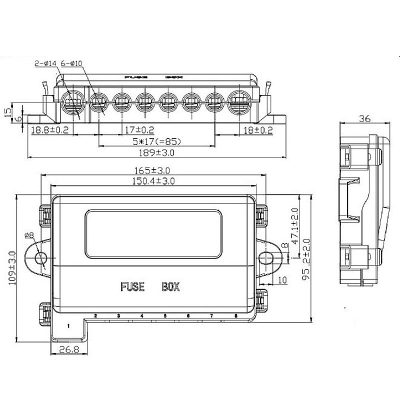
Automotive fuse box housings play a crucial role in safeguarding electrical systems by containing fuses that protect against overloads and short circuits. Using premium materials in these housings significantly improves reliability and longevity, reducing the risk of failures in critical components. This approach is essential for modern vehicles where electrical demands are increasing, ensuring that fuse boxes can withstand harsh conditions without compromising safety.
Application Scenarios in Automotive Design
In passenger cars, premium material fuse box housings are vital for protecting sensitive electronics in compact spaces, such as engine compartments exposed to heat and vibration. For commercial trucks and SUVs, these housings handle higher current loads and environmental stresses, like moisture and dust, maintaining performance during long-haul operations. Electric and hybrid vehicles benefit from advanced materials that resist thermal expansion, ensuring stable protection in battery management systems and ensuring compliance with safety standards.
Performance Advantages of High-Grade Materials
High-grade materials like reinforced plastics and corrosion-resistant alloys offer exceptional heat resistance, preventing deformation under extreme temperatures. They provide superior impact strength, shielding fuses from physical damage during accidents or rough terrain. Additionally, these materials enhance electrical insulation, minimizing the risk of short circuits and extending the lifespan of the fuse box, which leads to cost savings through reduced maintenance and fewer replacements.
Frequently Asked Questions
1. What materials are typically used in premium fuse box housings?
Common materials include polycarbonate blends and aluminum alloys, chosen for their strength and resistance to environmental factors.
2. How do these materials improve protection in automotive settings?
They offer better insulation and durability, protecting against heat, moisture, and vibration to prevent electrical failures and enhance vehicle safety.
3. Are premium materials cost-effective for automotive manufacturers?
Yes, they reduce long-term costs by increasing product lifespan and minimizing repair needs, making them a smart investment for reliability.