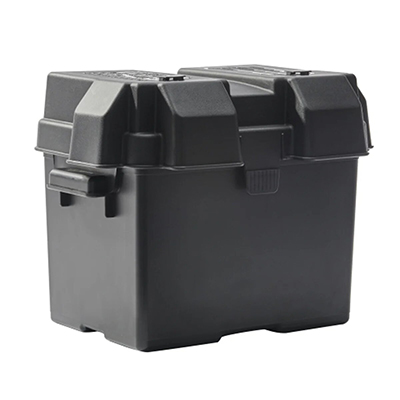
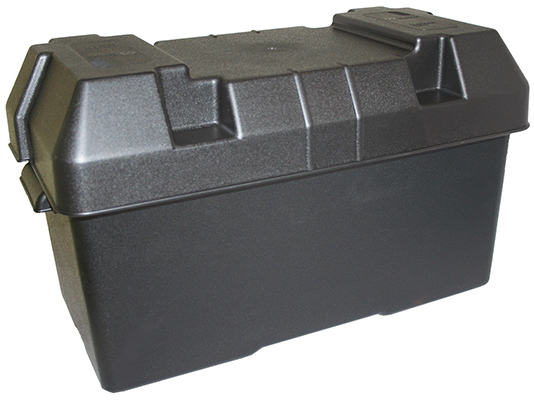
Spacious Battery Box Solutions for Full-Size Truck and Industrial Vehicle Batteries
News 2025-11-17
Spacious battery box designs are becoming a core requirement for full-size trucks, industrial forklifts, airport ground support equipment, and heavy-duty construction vehicles. As electrical loads increase for start-stop systems, telematics, and onboard accessories, high-capacity battery packs and robust enclosures are needed to maintain stable performance in harsh environments. A well-engineered battery box protects the cells from vibration, moisture, dust, and accidental impact while simplifying maintenance and improving overall electrical safety.
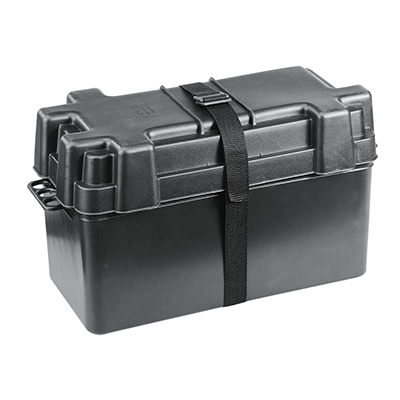
Key application scenarios for large battery enclosures
Spacious battery boxes serve a wide range of industrial and commercial vehicles. Full-size pickup fleets rely on oversized enclosures to house dual-battery systems that power winches, auxiliary lighting, cranes, and mobile service tools. In warehousing and logistics, electric forklifts and pallet trucks use high-density traction batteries that demand rigid steel or aluminum boxes with precise ventilation channels. Mining haulers, port tractors, and cleaning machines require corrosion-resistant enclosures that tolerate constant shock and exposure to water, chemicals, and dust. In each scenario, the battery box must not only fit the available chassis space but also allow easy access for inspection, testing, and replacement without extended downtime.
Performance advantages of a spacious battery box
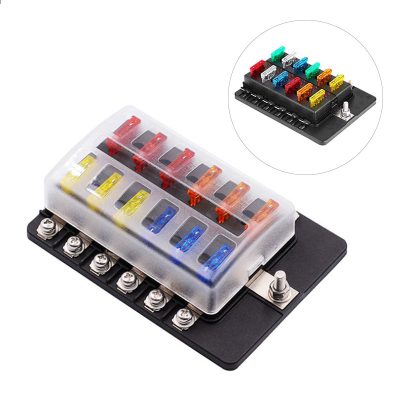
A properly sized battery box directly influences electrical performance and lifecycle cost. Extra internal space improves airflow around the cells, helping to control temperature rise during high current discharge or rapid charging. This temperature stability extends battery lifespan and reduces the risk of thermal runaway. Generous cable routing space supports heavier gauge wiring, secure strain relief, and clear separation of power and signal lines, reducing resistance and electromagnetic interference. The ability to mount fuses, disconnect switches, and battery management systems inside the enclosure provides a compact, protected energy module that improves system reliability and simplifies compliance with automotive and industrial safety standards.
Structural design, materials, and safety features
Spacious battery boxes for full-size trucks and industrial vehicles typically use powder-coated steel, stainless steel, or lightweight aluminum, selected according to corrosion exposure and weight targets. Reinforced corner welding, internal bracing, and anti-vibration mounts protect cells from mechanical shock on rough terrain. High IP-rated seals, drain holes, and optional breather valves prevent water ingress while allowing condensation to escape. Lockable lids, gas-strut assisted openings, and clearly marked service panels improve technician safety during daily checks. For lithium-based packs, flame-retardant insulation, compartmentalized chambers, and integrated vents for controlled gas release form an extra layer of protection in case of cell failure.
Integration with vehicle systems and future scalability
Modern spacious battery boxes are designed with future expansion in mind. Modular mounting rails and adjustable trays allow fleets to transition from traditional flooded lead-acid batteries to AGM, gel, or lithium iron phosphate chemistries without redesigning the vehicle chassis. Pre-drilled interfaces for sensors, CAN-bus harnesses, and temperature probes make it easier to connect advanced battery management systems and telematics units. This level of integration supports predictive maintenance, remote monitoring of state of charge and state of health, and optimized charging strategies. By planning for scalability, operators can increase energy capacity or shift to partial or full electrification while relying on the same enclosure platform.
1. What vehicles benefit most from a spacious battery box?
Full-size pickup trucks, Class 4–8 commercial trucks, electric forklifts, mining and construction equipment, and airport support vehicles benefit significantly because they run high-current loads and operate in demanding conditions.
2. How does a larger battery box improve safety?
Additional space enables better cable management, integration of protection devices, improved thermal control, and the use of fire-resistant barriers, all of which reduce short-circuit risk and support safer fault handling.
3. Which materials are preferred for industrial battery enclosures?
Powder-coated steel is common for rugged environments, stainless steel suits corrosive locations, and aluminum is favored when weight reduction and good corrosion resistance are required.