Spark Plug Fuse Technology That Safeguards Ignition Wiring And Engine Electronics
News 2025-11-17
Spark plug fuse safeguards spark plug wiring and related components by acting as a precisely calibrated weak link in the ignition circuit. In modern gasoline engines, the ignition system operates under high voltage, rapid switching, and harsh thermal cycles. A dedicated spark plug fuse prevents abnormal current surges and short circuits from damaging wiring harnesses, ignition coils, control modules, and nearby sensors. By isolating faults quickly, it helps maintain engine efficiency, lowers maintenance costs, and supports compliance with increasingly strict emissions standards.
Construction, Placement, And Operating Principle
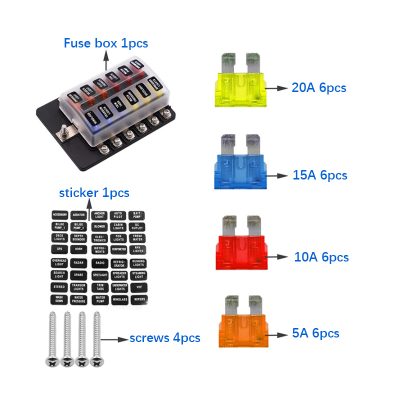
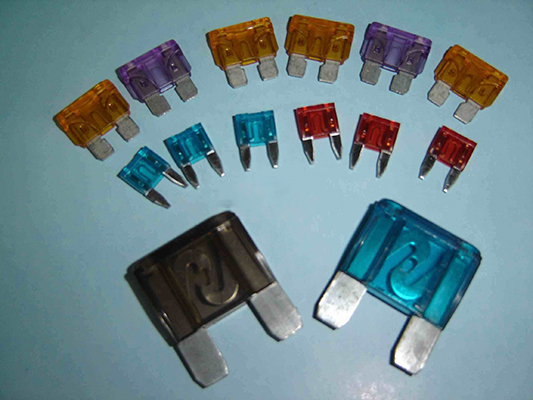
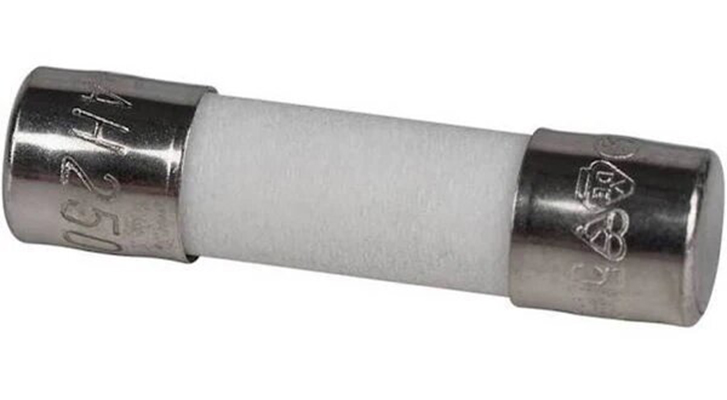
Spark plug fuses are typically compact cartridge or blade devices engineered for high-voltage ignition environments. They are installed in series between the ignition coil output and the spark plug terminal, within the wiring harness or in a dedicated fuse block close to the coil pack. Inside the fuse, a calibrated metal element melts when current exceeds a defined threshold, opening the circuit within milliseconds. This selective interruption prevents overheated wiring insulation, connector damage, and carbon tracking along the plug boot, while keeping upstream power and control electronics intact.
Key Performance Advantages In Automotive Applications
In passenger cars, light trucks, motorcycles, and small engines, a spark plug fuse enhances safety and uptime. It limits the impact of defective spark plugs, cracked boots, moisture ingress, or accidental shorting during service. Because the fuse sacrifices itself instead of the harness, repair usually involves only a quick fuse replacement and plug inspection rather than an extensive wiring job. Stable ignition circuit protection also helps preserve precise coil energy delivery, improving cold-start behavior, throttle response, and fuel economy, while reducing misfire events that could damage catalytic converters.
Use Cases In Industrial, Marine, And Power Equipment
Beyond passenger vehicles, spark plug fuses see growing use in industrial generators, agricultural machinery, construction equipment, and marine engines that operate under continuous heavy loads. In these environments, vibration, contamination, and long service intervals increase the likelihood of insulation breakdown and arcing. A dedicated fuse limits the spread of damage when a single cylinder experiences a fault, allowing the system to shut down or enter a controlled derate mode. Maintenance teams gain faster root-cause isolation, fewer harness replacements, and more predictable service schedules, which translates into higher equipment availability.
Selection, Integration, And Compatibility Considerations
Proper selection of a spark plug fuse requires coordination between electrical ratings and engine design. Engineers must match the fuse’s current and voltage ratings to the coil output, dwell time, and plug gap, while considering ambient temperature and expected duty cycle. Slow-blow or time-delay characteristics help tolerate normal ignition pulses yet respond rapidly to sustained faults. Housing materials must resist fuels, oils, and high under-hood temperatures. For OEMs and aftermarket integrators, compliance with automotive standards, vibration testing, and connector compatibility ensures the fuse system integrates seamlessly into existing harness architectures and engine control strategies.
Common Questions About Spark Plug Fuses
1. Do spark plug fuses affect ignition performance?
A correctly rated spark plug fuse is designed to be electrically transparent during normal operation, so it does not reduce spark energy or cause misfires. It only opens when abnormal current or short-circuit conditions appear.
2. Can spark plug fuses be retrofitted to older engines?
Many older engines can use inline spark plug fuse holders added to the ignition leads, as long as voltage, current, and insulation requirements are met. Professional assessment is recommended to ensure safe integration.
3. How often should a spark plug fuse be replaced?
Spark plug fuses are not routine service items and typically remain in service until a fault occurs. If a fuse blows, technicians should identify the underlying cause, correct it, and then install a new fuse of the specified rating.