Standard-Dimension Thermal Fuse Enhancing Vehicle Electrical Safety Performance
News 2025-11-27
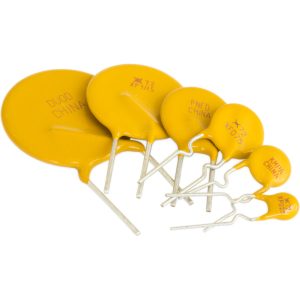
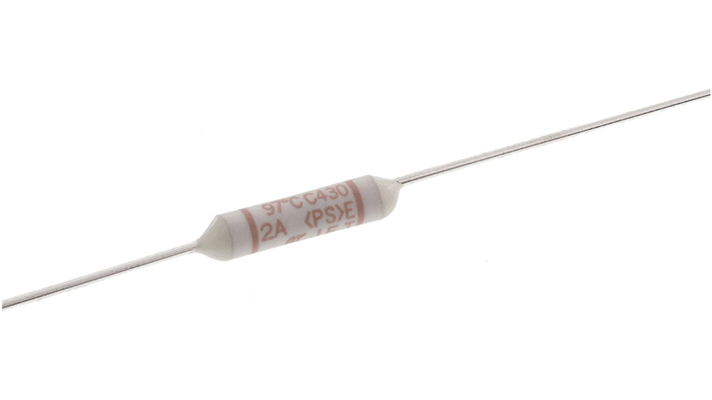
Standard-dimension thermal fuses play a decisive role in safeguarding modern vehicle electrical systems. By matching the common footprints used in automotive harnesses, junction boxes, and control modules, this type of fuse simplifies integration while maintaining strict thermal protection. The product described here is engineered to fit most vehicle electrical mounting points, reducing redesign effort for OEMs and aftermarket engineers. Its consistent dimensions, repeatable trip characteristics, and automotive-grade construction make it an attractive option for high-volume platforms and targeted upgrades alike.
Design Compatibility And Mounting Flexibility
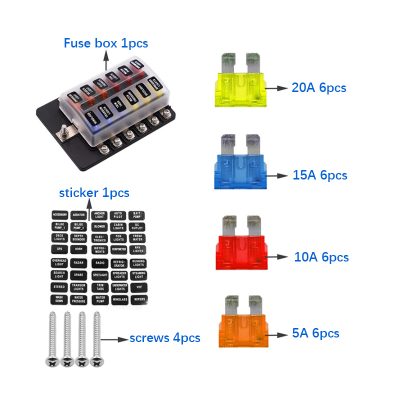
The primary strength of a standard-dimension thermal fuse lies in its mechanical compatibility. It aligns with typical blade-style and inline mounting positions found near battery junction blocks, under-dash fuse panels, and engine-bay distribution centers. This geometry allows designers to replace conventional one-time fuses or bulky circuit breakers without modifying housings or connector layouts. The compact body supports horizontal or vertical orientation, enabling dense packaging in multi-layer boards and modular fuse carriers. Using a standardized footprint also streamlines inventory management and simplifies service procedures in automotive workshops.
Thermal Trip Performance And Electrical Characteristics
The fuse features a calibrated thermal element that opens the circuit once a defined temperature threshold is exceeded, typically in the 130–240 °C range depending on the selected rating. This response addresses hazards caused by prolonged overload, poor contacts, or localized hot spots in wiring looms and control units. Low internal resistance preserves efficiency under normal load, while high breaking capacity withstands fault currents generated by modern high-output alternators and lithium-based starter batteries. Stable long-term behavior is achieved through robust internal construction, preventing drift in trip temperature after repeated exposure to automotive thermal cycles and vibration.
Automotive Application Scenarios And Integration Benefits
This thermal fuse is suitable for a broad set of vehicle subsystems, including electric power steering, HVAC blowers, heated seats, window defoggers, and infotainment head units. It is equally useful in high-current auxiliary loads such as trailer sockets, auxiliary lighting, and aftermarket audio amplifiers. By fitting into standard mounting points, it can be adopted both in new vehicle platforms and retrofit applications without extensive re-engineering. Integrating the fuse close to heat-sensitive components such as DC-DC converters or battery management circuits adds a layer of temperature-driven protection that complements electronic current monitoring. The result is a more robust safety concept that addresses both electrical and thermal stress.
Durability, Standards Compliance And Maintenance Advantages
The fuse housing typically uses high-temperature thermoplastic materials and corrosion-resistant terminals compatible with common automotive tin- or silver-plated connectors. Designs validated to automotive standards such as AEC-Q200 or similar benchmarks demonstrate resilience against thermal shock, humidity, and vibration typically encountered in under-hood and cabin installations. Technicians benefit from simple visual identification and quick replacement using existing fuse pullers and holders, reducing service time. The standard dimensions also facilitate clear labeling on fuse boxes, supporting diagnostic workflows and minimizing the risk of incorrect component substitution.
1Frequently used vehicle locations
The fuse is commonly installed in engine-bay power distribution units, under-dash fuse panels, and inline harness segments protecting high-current accessories.
2Difference between thermal fuse and standard blade fuse
A thermal fuse reacts primarily to temperature rise and permanently opens once its threshold is reached, while a standard blade fuse responds mainly to excessive current and may not detect slower, heat-driven faults.
3Suitability for aftermarket upgrades
Yes, the standard-dimension design allows integration into existing fuse blocks and inline holders, making it suitable for aftermarket audio systems, lighting kits, and auxiliary power circuits.