Steering Wheel Heater Fuse Protects Safe, Efficient Steering Wheel Heating Elements
News 2025-11-17
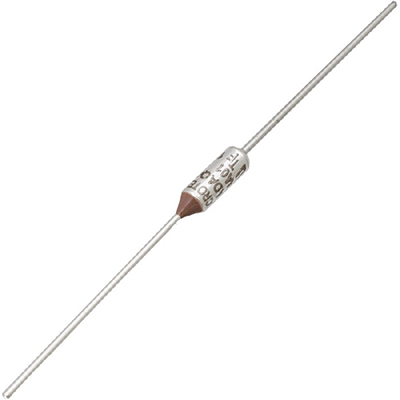
The steering wheel heater fuse is a small but decisive protection component in modern automotive comfort systems. In vehicles equipped with heated steering wheels, dedicated fuses isolate and protect the heating elements, wiring harness, and control electronics from current surges and short circuits. By interrupting the circuit in fault conditions, the fuse prevents overheating, smoke, or potential damage to trim, airbag modules, and nearby controls. Well‑specified fuse ratings and correct placement in the fuse box are crucial to ensure both driver comfort and long‑term system reliability.
Function, Circuit Integration, and Application Scenarios
The heater fuse sits between the vehicle power supply and the steering wheel heating elements, usually controlled by a relay or a solid‑state driver connected to the body control module. In daily use, the fuse allows normal current flow when the driver activates the heater during cold weather, urban commuting, or long‑distance highway driving. In premium vehicles, SUVs, commercial fleets, and ride‑share cars operating in cold regions, the steering wheel heater runs frequently, increasing the importance of robust overcurrent protection. Integration into the main cabin comfort circuit also means the fuse must coordinate correctly with seat heater and mirror defogger fuses to avoid nuisance blows while still reacting quickly to genuine faults.
Performance Characteristics and Selection Parameters
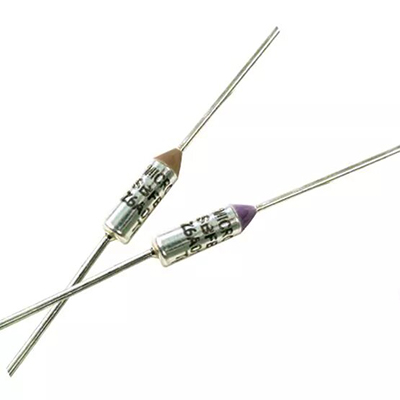
From an electronic component perspective, key parameters include rated current, voltage, time‑current characteristics, interrupting capacity, temperature stability, and mechanical footprint. Designers typically choose blade or mini‑blade fuses in the 5–15 A range, matched to the resistance and power rating of the steering wheel heating elements. Fast‑acting behavior protects thin steering wheel wiring and flex circuits, while sufficient surge tolerance accommodates inrush current when the heater first turns on. High interrupt ratings and stable performance over a broad ambient temperature range support harsh winter conditions, repeated heating cycles, and extended vehicle lifetime. Correct derating practices and validation testing ensure that the fuse opens before any trace, connector, or heater pad reaches unsafe temperature levels.
System-Level Benefits and Safety Advantages
A properly specified steering wheel heater fuse contributes to occupant safety, thermal management, and regulatory compliance. By limiting fault energy, it reduces the risk of local hot spots beneath the steering wheel surface, protecting decorative leather or synthetic coverings and preserving the feel of premium interiors. The fuse also acts as a service indicator: when it opens, technicians quickly localize the fault to the steering wheel heating circuit, shortening diagnostic time and reducing warranty costs. From an EMC and system integration standpoint, controlled fuse operation helps avoid erratic voltage drops that could disturb steering angle sensors, airbag modules, or steering wheel control buttons located in close proximity. These attributes make the fuse a key element in meeting OEM safety standards and customer expectations for long‑term comfort.
Design, Maintenance, and Trouble-Shooting Practices
During design, engineers coordinate fuse selection with heater element layout, steering wheel core geometry, and routing of spiral cables or clock springs that carry power to the rotating wheel. Careful routing and adequate creepage distances minimize the chance of intermittent shorts that would repeatedly trigger the fuse. In the field, maintenance personnel should always replace a blown steering wheel heater fuse using the same type and rating specified by the vehicle manufacturer. Up‑rating the fuse may hide underlying wiring damage and expose the system to excessive current, while using an undersized rating can lead to frequent nuisance failures during peak heating demand. When diagnosing repeated fuse opening, technicians inspect the heater pads, connectors, and clock spring assembly for chafed insulation, moisture ingress, or mechanical stress caused by improper steering column adjustments.
Common Questions About Steering Wheel Heater Fuses
1. Why does my steering wheel heater fuse keep blowing?
Repeated fuse failures usually indicate a short circuit or degraded insulation in the heater elements, wiring harness, or clock spring. The fuse is reacting correctly by interrupting the fault and preventing damage.
2. Can I upgrade to a higher‑amp fuse to stop nuisance blows?
Using a higher‑amp fuse than specified is not recommended. It can allow excessive current through the heating circuit, risking overheating of wiring, connectors, or trim materials.
3. Where is the steering wheel heater fuse typically located?
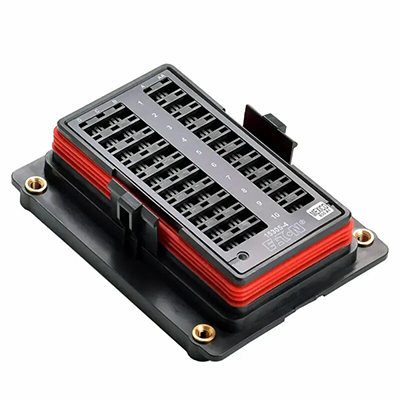
The steering wheel heater fuse is usually found in the interior or under‑dash fuse box, identified in the owner’s manual or service documentation as part of the steering wheel or cabin comfort heating circuit.