Tail Light Fuse Safeguards Rear Illumination Circuits in Modern Vehicles
News 2025-11-17
Tail light fuse safeguards tail light and rear marker light circuits by interrupting power when abnormal current or short circuits occur. In modern automotive electrical systems, this small protective component preserves harness integrity, prevents damage to lighting modules, and helps maintain legal visibility on the road. By isolating faults in the rear lighting branch, the fuse keeps the rest of the vehicle’s electrical network stable and easier to diagnose.
Function and Working Principle of the Tail Light Fuse
The tail light fuse sits in the vehicle’s fuse box between the battery feed and the tail light, rear marker light, and license plate light circuits. Under normal operating conditions, current flows through the low‑resistance fusible element without overheating. When a short to ground or severe overload occurs, the current rises beyond the rated value and the element melts, instantly opening the circuit. This sacrificial action prevents wiring insulation from overheating and eliminates the risk of melted connectors or potential fire. The fuse rating is carefully selected to match the load of incandescent bulbs or LED driver modules, ensuring both protection and stable light output.
Key Performance Advantages in Rear Lighting Protection
A correctly specified tail light fuse offers fast interruption time, predictable melting characteristics, and strong resistance to mechanical vibration. In LED‑based lighting systems, consistent fuse behavior is crucial to protect sensitive driver ICs and control electronics from surge events. Low internal resistance minimizes voltage drop, preserving the brightness and color consistency of rear marker lights and tail lamps. The fuse also contributes to electromagnetic compatibility, helping to reduce the impact of short‑circuit events on other on‑board electronics such as infotainment units, body control modules, and ADAS sensors.
Application Scenarios in Passenger, Commercial, and Specialty Vehicles
Tail light and rear marker light fuses are widely used in passenger cars, SUVs, light trucks, trailers, buses, and off‑highway machinery. In trailers and caravans, these fuses protect extended harness runs that are frequently exposed to moisture, road debris, and repeated coupling operations. In commercial fleets operating at night or in low‑visibility environments, stable rear lighting is closely linked to safety performance and regulatory compliance. Specialty vehicles such as agricultural equipment, emergency vehicles, and construction machinery deploy multiple fused branches to protect auxiliary rear lamps, side markers, and high‑mounted position lights while simplifying troubleshooting and maintenance routines.
Selection, Installation, and Maintenance Considerations
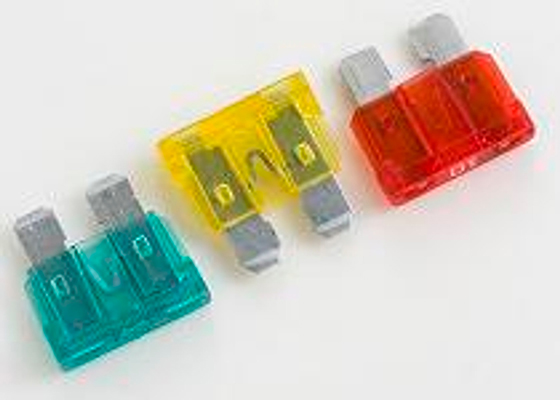
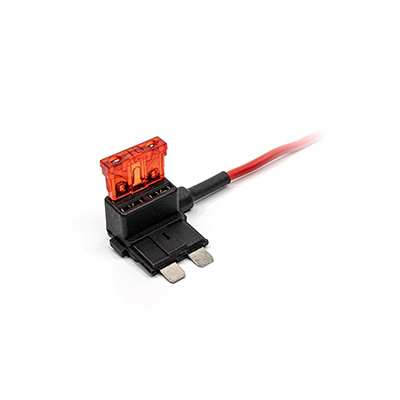
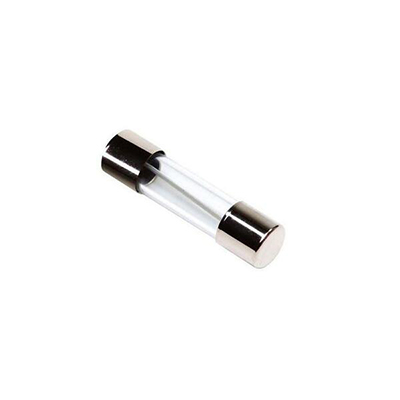
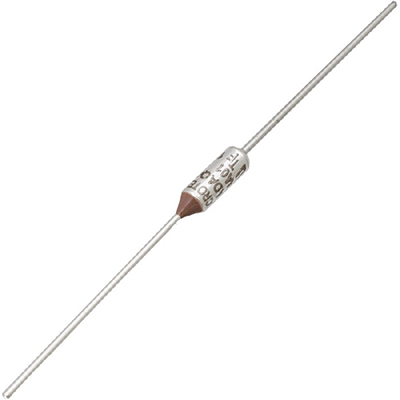
When selecting a tail light fuse, engineers must consider system voltage, steady‑state current, inrush characteristics of LED drivers, ambient temperature, and regulatory standards such as SAE and ECE requirements. Using the correct fuse type—mini blade, low‑profile, cartridge, or high‑current link—ensures compatibility with existing fuse blocks and harness layouts. During installation, maintaining clean contact surfaces and secure seating reduces contact resistance and heat buildup. Regular inspection of the fuse and surrounding connectors helps detect corrosion or water ingress that may cause intermittent rear lighting failures. These practices extend service life and reduce downtime in both personal and commercial vehicles.
1、What happens when the tail light fuse blows?
When the tail light fuse opens, tail lights, rear marker lights, and often license plate lights lose power, leaving the vehicle less visible from behind and triggering warning indicators on the dashboard.
2、Can a higher‑rated fuse improve tail light performance?
Installing a higher‑rated fuse does not enhance brightness and may expose wiring and lighting modules to damage during a fault, so the fuse rating should always match the manufacturer specification.
3、Why do trailer tail lights blow fuses frequently?
Frequent fuse failures in trailer tail lights usually indicate wiring abrasion, poor grounding, or moisture inside connectors causing short circuits, all of which should be located and repaired before replacing the fuse again.