Temperature-Sensitive Thermal Fuse Safeguards Modern Infotainment Systems From Overheating Hazards
News 2025-11-27
In automotive and consumer electronics, infotainment platforms pack high-density processing, wireless modules, and high-brightness displays into compact housings. These conditions generate concentrated heat, and localized hotspots can rapidly exceed safe limits when ventilation is restricted or a cooling fan fails. A temperature-sensitive thermal fuse offers a one-time, failsafe interruption path that protects displays, mainboards, and storage devices from catastrophic damage, smoke, or fire when standard thermal management is no longer sufficient.
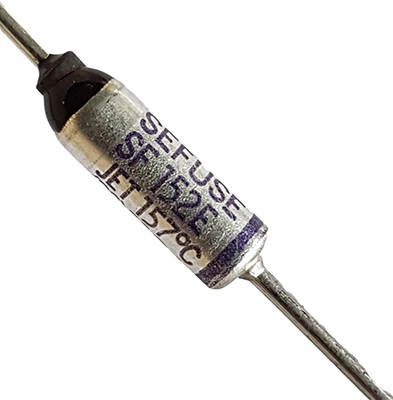
Working Principle of Temperature-Sensitive Thermal Fuses
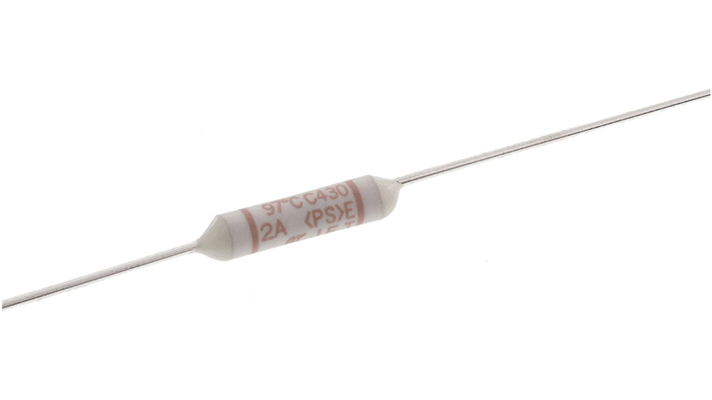
A temperature-sensitive thermal fuse is a non-resettable safety component engineered to open the circuit once its calibrated cutoff temperature is reached. Inside the fuse, a pellet or alloy element melts or changes state at a precisely defined temperature, triggering mechanical separation of the contacts. Once opened, the circuit remains permanently interrupted, ensuring equipment cannot restart under dangerous thermal conditions. This simple, passive architecture makes the fuse immune to software faults, sensor miscalibration, or microcontroller freeze, which is crucial in complex infotainment electronics.
Key Performance Advantages in Infotainment Systems
In infotainment modules, the thermal fuse complements NTC sensors, thermistors, and overcurrent protection devices by adding an independent thermal shutdown layer. High accuracy in opening temperature, tight tolerance, and low internal resistance help preserve audio quality, prevent voltage drops on high-current display backlight rails, and maintain power integrity across multimedia processors. Compact radial or axial packages allow placement close to power ICs, DC-DC converters, LED drivers, or battery interfaces, ensuring rapid response once a hotspot exceeds design limits, even inside slim head units or rear-seat entertainment modules.
Application Scenarios Across Automotive and Consumer Platforms
Automotive head units, digital instrument clusters, and rear-seat displays often operate in harsh ambient conditions, including direct sunlight and prolonged idling in hot climates. In these environments, the thermal fuse is typically installed in series with the main power input or specific high-risk rails such as display backlight, audio power amplifier, or hard drive/SSD supply. In consumer infotainment devices, such as smart soundbars, set-top boxes, and streaming hubs, the fuse protects against blocked ventilation slots, dust accumulation, or fan stoppage that may push enclosure temperatures above component ratings. By activating irreversibly at a predefined limit, the device remains safe until inspection and service.
Selection, Integration, and Compliance
When selecting a thermal fuse for infotainment designs, engineers evaluate opening temperature, hold current, rated voltage, and certification status under UL, VDE, or similar standards. Proper thermal coupling to the monitored area, controlled soldering profiles, and correct lead forming are vital to avoid pre-aging the fuse material. Many OEMs design the fuse as part of a layered safety concept, aligning its cutoff temperature slightly above normal worst-case operating conditions but below the critical threshold of displays, polymer housings, and nearby cabling. This strategy simplifies regulatory approval and supports long-term field reliability across global temperature ranges.
Common Questions About Thermal Fuses in Infotainment
1Where is the thermal fuse typically located in an infotainment system?
Installers usually place the fuse near high-power converters or display backlight rails, ensuring close thermal contact to the hottest zone while staying accessible for service and inspection.
2How does a thermal fuse differ from a resettable thermostat?
A thermal fuse opens the circuit permanently once the cutoff temperature is reached, whereas a thermostat or thermal switch cycles on and off. The fuse provides a last-line safety action rather than routine temperature control.
3Can a tripped thermal fuse be reused or bypassed during repair?
Once activated, the component must be replaced by an identical or approved equivalent. Bypassing or shorting the fuse is unsafe and violates safety standards and warranty conditions.