The Crucial Role of High-Quality Car Fuses in Protecting Electric Water Pumps and Ensuring Smooth Operation of Circulation Systems in Contemporary Automobiles and Electric Vehicles
News 2025-10-13
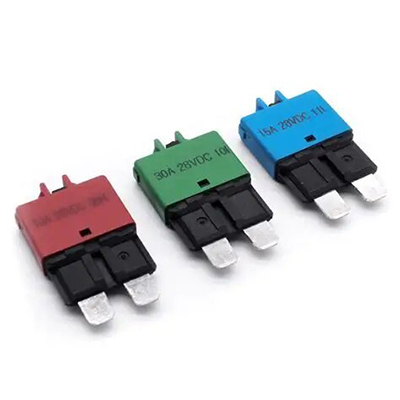
In the evolving landscape of automotive technology, car fuses are essential safeguards for electrical systems. They protect components like electric water pumps and circulation systems, which maintain engine cooling and fluid dynamics. As vehicles integrate more advanced electronics, reliable fuses become critical to prevent failures from overloads or shorts. High-quality fuses are specifically engineered to match the voltage and current demands of these systems, ensuring longevity and safety in daily operation.
Applications in Vehicle Systems
Electric water pumps are vital for cooling engines and managing fluid circulation in cars, trucks, and electric vehicles. These pumps operate in high-demand environments, such as during long drives or in extreme temperatures, where fuses protect against electrical faults. In circulation systems, fuses safeguard components that handle coolant flow for battery thermal regulation in hybrids or cabin heating in conventional cars. Proper fuse selection ensures system efficiency, preventing disruptions that could lead to overheating or component damage.
Performance Advantages of Car Fuses
Car fuses deliver key benefits, including rapid response to electrical issues, which minimizes potential damage and enhances vehicle reliability. Constructed from robust materials, they resist corrosion and handle vibrational stresses common in automotive settings. Fuses offer precise current protection, extending the life of electric water pumps and circulation systems by avoiding wear from surges. Their design also supports easy installation and replacement, contributing to cost-effective maintenance and improved overall vehicle performance.
Frequently Asked Questions
1. What is the primary role of a car fuse in electric water pumps?
It acts as a safety device that cuts off power during overcurrent to prevent pump damage and electrical fires.
2. How do I choose the right fuse rating for circulation systems?
Check the vehicle’s manual for specified amperage based on system load and consult a professional for accurate matching.
3. What are signs that a fuse in these systems needs replacement?
Indicators include repeated circuit failures, unusual noises from pumps, or dashboard warning lights signaling electrical problems.