The Essential Role of Automotive Fuses in Safeguarding Airbag Deployment and Comprehensive Vehicle Safety Mechanisms
News 2025-10-13
Automotive fuses are critical components in modern vehicles, particularly in systems designed to protect occupants during accidents. These small but vital devices play a key role in the functionality of airbags and other safety features by preventing electrical overloads that could compromise system integrity. In the context of car airbags and safety systems, fuses act as the first line of defense, ensuring that circuits remain operational under normal conditions while cutting power during faults. This reliability is essential for meeting stringent automotive safety standards, such as those set by ISO and regulatory bodies, thereby enhancing overall vehicle safety and reducing the risk of malfunctions in critical moments.
Applications in Airbag and Safety Systems
In airbag systems, automotive fuses are strategically placed to protect sensitive electronic components from current surges that might occur during a collision or due to wiring issues. For instance, they safeguard the sensors and control modules that detect impacts and trigger airbag inflation. Beyond airbags, fuses are integral to other safety features like anti-lock braking systems (ABS), electronic stability control (ESC), and seatbelt pretensioners. These applications ensure that safety circuits function flawlessly, providing rapid response times in emergencies and contributing to the vehicle’s ability to mitigate injury risks effectively.
Performance and Reliability Benefits
Automotive fuses offer superior performance through their quick-acting design, which interrupts excessive current flow in milliseconds, minimizing damage and preventing fires. Their robust construction, often using materials like zinc or copper, ensures durability in harsh automotive environments, including extreme temperatures and vibrations. Additionally, these fuses provide high precision in current ratings, allowing for tailored protection that matches specific safety system requirements. This level of reliability not only extends the lifespan of vehicle electronics but also supports compliance with safety regulations, making them indispensable for maintaining optimal performance in airbag and safety infrastructures.
Practical Considerations for Use and Maintenance
When integrating fuses into airbag and safety systems, selecting the appropriate type—such as blade or micro fuses—is crucial for compatibility and efficiency. Proper installation involves ensuring secure connections and regular inspections to identify wear or corrosion, which could affect system responsiveness. Manufacturers often recommend using fuses with specific amperage ratings to match the load demands of safety components, thereby avoiding under- or over-protection. Adhering to these practices not only enhances system longevity but also supports the seamless operation of safety features, ultimately contributing to better vehicle reliability and user confidence.
Frequently Asked Questions
1. What role do car fuses play in airbag systems?
They protect circuits from overloads, ensuring airbags deploy reliably during collisions by preventing electrical failures.
2. How do automotive fuses improve overall vehicle safety?
By quickly breaking faulty circuits, they avoid short circuits that could disable safety systems like ABS or stability control.
3. What types of fuses are commonly used in modern cars?
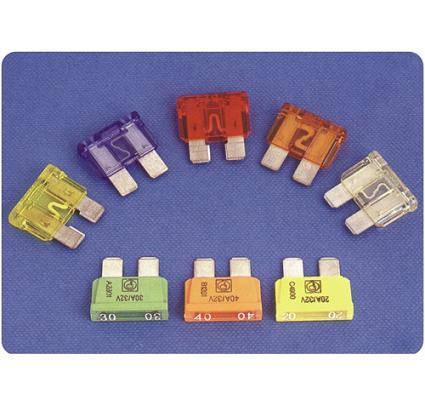
Blade fuses and mini fuses are prevalent due to their compact size and ease of replacement in various safety applications.