Thermal Fuse Technology Protects Vehicle Electronics Against Overheating Damage in Harsh Environments
News 2025-11-27
Thermal Fuse Protecting Modern Vehicle Electronics
Modern vehicles integrate dense electronic control units, high-current wiring harnesses, and compact battery systems in confined spaces. Under extreme load or fault conditions, heat can rise rapidly inside modules, junction boxes, and onboard chargers. A properly specified thermal fuse acts as a one-time, fail-safe cutoff device that opens the circuit when a critical temperature threshold is reached, preventing meltdown of plastic housings, damage to semiconductors, and even thermal events that threaten passenger safety.
Key Performance Features of Automotive Thermal Fuses
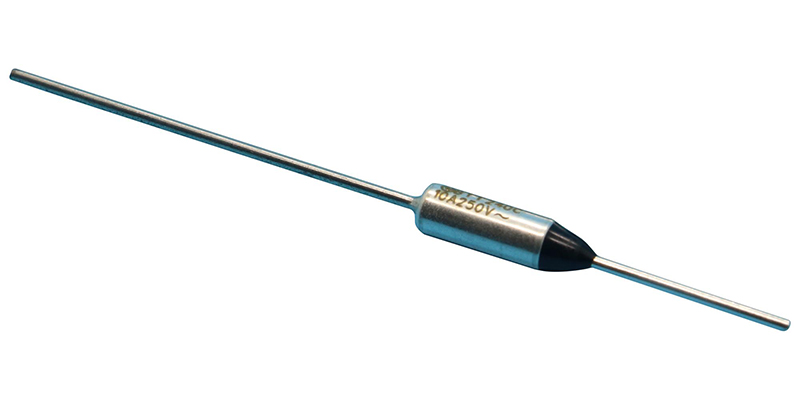
Automotive-grade thermal fuses are engineered for precise opening temperatures, tight tolerances, and long-term stability under vibration and thermal cycling. Fast response to abnormal heat allows the fuse to interrupt current before PCB traces, connectors, or wiring insulation reach dangerous temperatures. Many designs combine compact axial packages, low initial resistance, and UL/VDE approval to streamline integration into control modules, DC‑DC converters, LED drivers, and infotainment systems. High breaking capacity ensures safe interruption of fault currents common in 12 V, 24 V, and high-voltage EV architectures.
Application Scenarios in Combustion and Electric Vehicles
Thermal fuses protect a wide range of in-vehicle systems, including blower motors, seat heaters, battery management units, and on-board chargers. In internal combustion platforms, they are often mounted near power MOSFET stages in engine control units, transmission controls, and ABS modules, where under-hood temperatures can spike. In hybrid and battery electric vehicles, thermal fuses play a role in safeguarding high-voltage junction boxes, charging inlets, and auxiliary power modules. Integration near transformers, power inductors, or high-current connectors helps isolate localized hotspots and prevents cascading damage across the harness.
Design and Integration Considerations
Engineers selecting a thermal fuse must match opening temperature, current rating, and package style to the operating profile of each circuit. The fuse should be thermally coupled to the component or area most at risk, while avoiding nuisance operation at normal peak temperatures. Careful PCB layout and mechanical mounting ensure good heat transfer and reliable operation under vibration. Many manufacturers provide detailed derating curves and automotive testing data, including thermal shock, humidity resistance, and life tests, enabling compliance with ISO and OEM-specific qualification standards. Proper selection supports long service life and stable protection in demanding driving conditions.
Safety, Compliance and Long-Term Reliability Benefits
Using a thermal fuse in conjunction with electronic protection such as current sensing and software-based derating significantly strengthens the overall safety concept of automotive electronics. The fuse offers a purely passive, non-resettable barrier against runaway temperature conditions caused by component failure, aging, or wiring faults. By preventing thermal overstress, designers reduce warranty claims, field returns, and the risk of costly recalls. OEMs also benefit from easier regulatory approval of safety-relevant systems where overtemperature risks must be mitigated at the hardware level.
1、What distinguishes a thermal fuse from a standard current fuse?
A thermal fuse responds to temperature rather than only current, opening permanently when its rated temperature threshold is reached to block overheating damage.
2、Where should a thermal fuse be placed in an automotive module?
It should be installed in close thermal contact with the hottest or most vulnerable component area, such as power stages or high-current connectors, while remaining electrically in series with the protected circuit.
3、How does a thermal fuse improve EV safety and reliability?
In EV systems it cuts power during abnormal temperature rise in battery-related circuits, chargers, or converters, limiting thermal propagation and protecting both electronics and vehicle occupants.