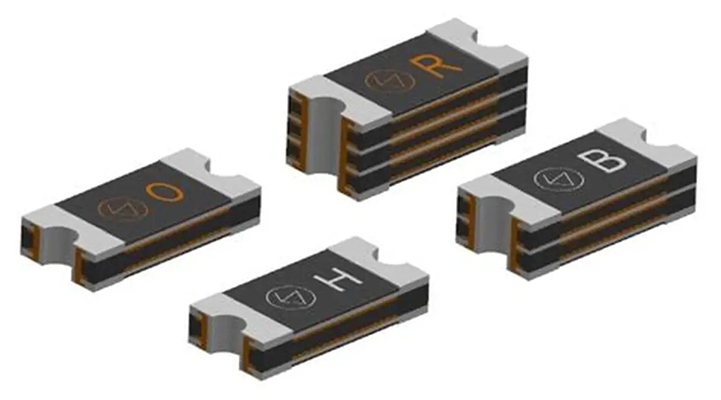
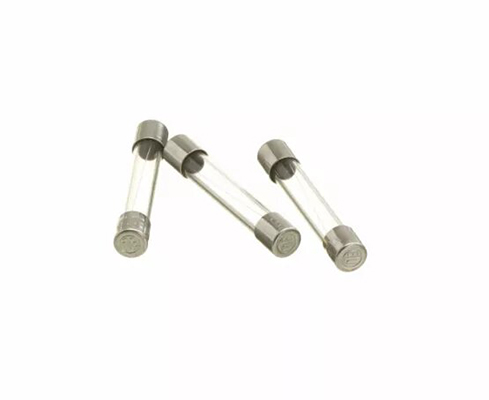
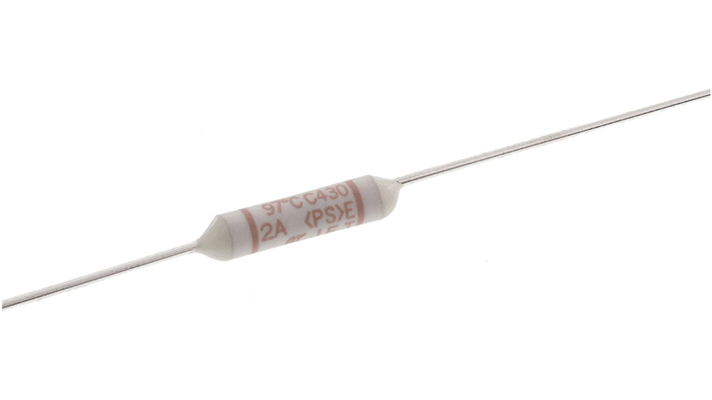
Trailer Hitch Fuse Solutions That Protect Trailer Wiring and Onboard Accessories
News 2025-11-17
A trailer hitch fuse plays a decisive role in safeguarding both towing vehicles and trailers. When towing loads that include lighting, electric brakes, winches, or auxiliary power outlets, the electrical current can fluctuate sharply. A dedicated fuse in the trailer hitch circuit protects the harness, connectors, and sensitive electronics from short circuits and overloads, helping prevent melted insulation, connector damage, or even vehicle fires. By isolating faults quickly, the fuse maintains stable operation of the entire towing electrical system and reduces maintenance costs over the service life of towing equipment.
Protection Principles and Electrical Performance
The trailer hitch fuse is typically installed in-line between the vehicle power distribution module and the trailer connector. Designed with precisely specified current ratings, time-delay characteristics, and voltage ratings, it interrupts the circuit as soon as abnormal current rises beyond safe limits. High-quality fuses maintain low contact resistance to minimize power loss and heat generation, while conforming to automotive standards such as ISO and SAE requirements. In heavy-duty towing, slow-blow variants prevent nuisance trips during inrush currents from electric brakes or motors, yet still react quickly to genuine short circuits on the trailer harness.
Key Applications in Towing and Utility Trailers
Trailer hitch fuses are widely used in utility trailers, cargo trailers, boat trailers, camper trailers, and agricultural or construction trailers. Typical loads include LED tail lamps, reverse lamps, side markers, brake light circuits, trailer-mounted battery chargers, and 12 V accessory sockets. In commercial fleets, these fuses protect mission-critical systems such as refrigerated trailer controllers and telematics units powered via the hitch connector. Recreational users benefit when powering refrigerators, air compressors, or small inverters inside caravans, since a correctly rated fuse shields both the vehicle alternator and the trailer appliances from damaging fault currents.
Performance Advantages and Safety Benefits
Compared with unprotected or improperly fused harnesses, a dedicated trailer hitch fuse delivers clear performance benefits. It localizes faults, so only the trailer circuit is interrupted while the rest of the vehicle electrical system remains operational. This reduces downtime, simplifies troubleshooting, and prevents cascading failures in body control modules or engine control electronics. High-temperature automotive fuse designs withstand the harsh environment near the rear bumper, where moisture, dirt, and vibration are common. When combined with sealed fuse holders, they maintain stable contact over long service intervals and contribute to consistent voltage supply at the trailer connector, which is particularly important for electronic brake controllers and advanced LED lighting.
Selection, Integration, and Maintenance Considerations
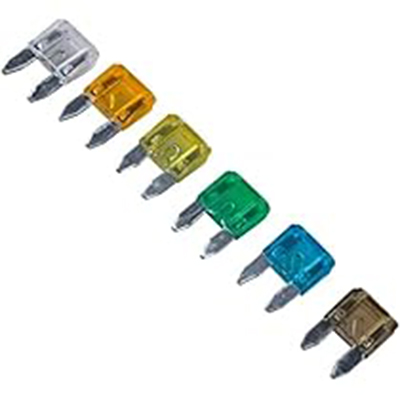
Selecting the right trailer hitch fuse requires matching the fuse rating to the maximum current of the trailer loads, while respecting the wire gauge and connector rating. Underrated fuses cause frequent interruptions, whereas overrated fuses may allow cable overheating before blowing. Automotive blade-type fuses are popular because they are compact, color-coded, and easy to replace. Integration into the vehicle is often done via factory fuse boxes or dedicated add-on fuse blocks for aftermarket hitch installations. Regular inspection of the fuse and holder, especially after off-road use or exposure to corrosive environments, ensures stable protection. Keeping spare fuses near the hitch or in the glove box helps operators restore trailer power quickly when a fault has been corrected.
Common Questions About Trailer Hitch Fuses
1Where should the trailer hitch fuse be installed?
The fuse should be placed as close as practical to the vehicle power source feeding the trailer connector, typically in an OEM fuse box or an auxiliary in-line holder near the battery or distribution block. This layout protects the entire length of the trailer power feed cable.
2How do I choose the correct amperage rating?
Calculate the total current drawn by trailer lighting and accessories, then select a fuse rating slightly above the normal operating current while still within the safe limit of the harness and connector specifications.
3What are signs that the hitch circuit fuse is undersized?
Frequent fuse blowing during normal braking, turn signaling, or operation of trailer accessories indicates an undersized fuse or underestimated load. A current measurement or load audit can confirm the actual demand and support correct fuse selection.