USB Port Fuse Solutions That Safeguard Modern Charging Ports From Power Surges
News 2025-11-17
USB port fuse safeguards USB charging ports from power surges by interrupting abnormal current before it reaches sensitive circuitry. In consumer, industrial, and automotive electronics, USB ports have evolved into universal power and data interfaces, exposing devices to unpredictable loads, cable faults, and transient spikes from adapters or vehicle power rails. A well‑selected fuse creates a defined weak link that opens in overcurrent or short‑circuit conditions, limiting thermal stress on connectors, cables, PMICs, and downstream ICs while supporting regulatory and safety compliance requirements.
Key protection functions and operating principles
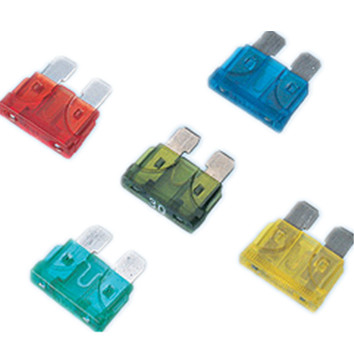
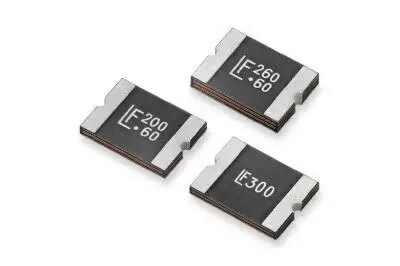
USB port fuses operate as sacrificial protection components, opening when current or temperature exceeds specified thresholds. Traditional single‑use wire‑in‑air or cartridge fuses provide simple fault isolation, while resettable polymer PTC fuses offer automatic recovery after a fault clears. In a USB charging design, the fuse is typically placed on the VBUS line, upstream of the port controller or load switch, to limit peak fault current during cable damage, connector contamination, or mis‑wiring. Coordinating fuse ratings with the USB profile—such as 5 V/3 A USB‑C or higher current USB‑PD modes—ensures fast response to faults without nuisance trips during normal inrush or negotiation events.
Performance advantages in charging applications
Modern USB port fuse families feature precise hold and trip currents, low series resistance, and compact SMD footprints, supporting high‑density multi‑port chargers, hubs, and docking stations. Low resistance minimizes I²R losses, improving thermal behavior and maintaining output voltage at higher load currents, which is crucial when delivering 60 W or 100 W over USB‑PD. Fast time‑to‑trip characteristics help clamp fault energy before PCB traces overheat or connectors discolor, extending product lifetime and reducing RMA rates. Many fuse options are AEC‑Q200 qualified, surge‑rated, and designed to coordinate with TVS diodes and over‑voltage protection ICs in layered protection architectures.
Application scenarios across consumer, industrial, and automotive
In consumer electronics, USB port fuses protect smartphone chargers, laptops, gaming consoles, and smart‑home hubs from user‑induced faults such as damaged cables or foreign objects in connectors. Industrial environments expose USB ports to ESD, line disturbances, and long cable runs; here, robust fuses and coordinated surge suppression prevent downtime of HMIs, data loggers, and embedded controllers. Automotive USB ports in head units and rear‑seat entertainment systems face harsh transients such as load‑dump and cold‑crank events. Automotive‑grade fuses combined with DC/DC converters and EMI filters safeguard both the vehicle wiring harness and the infotainment electronics while maintaining safe charging performance for passenger devices.
Component selection, layout practices, and integration tips
Selecting an appropriate USB port fuse requires balancing rated current, voltage, breaking capacity, and trip curves against the intended charging profile and regulatory standards such as IEC 62368‑1. Engineers should evaluate maximum continuous load, inrush during capacitance charging, ambient temperature, and enclosure constraints. Layout should minimize trace length between power entry, fuse, and connector to reduce parasitic resistance and hotspot formation. Pairing the fuse with USB‑PD controllers, load switches, and over‑temperature monitoring ICs builds a robust power‑path solution that protects end devices while enhancing user safety and brand reputation.
1、Why do USB charging ports need dedicated fuses?
Fuses prevent overcurrent and short‑circuit faults from damaging connectors, cables, and power management ICs, improving product safety and reducing field failures.
2、How does a resettable USB port fuse improve uptime?
A resettable PTC fuse disconnects the fault automatically and then returns to a low‑resistance state when the fault is removed, avoiding manual replacement in many applications.
3、Which applications benefit most from automotive‑grade USB port fuses?
Infotainment systems, rear‑seat chargers, fleet telematics units, and aftermarket power hubs benefit from AEC‑Q qualified fuses that tolerate high temperature and vehicle power transients.