Window Defroster Fuse Safeguards Rear Window Defroster Electrical Circuits in Modern Vehicles
News 2025-11-17
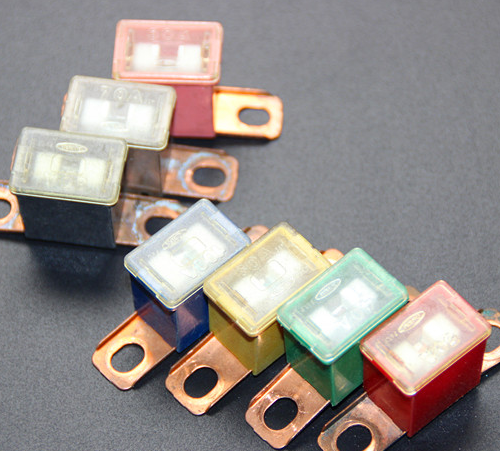
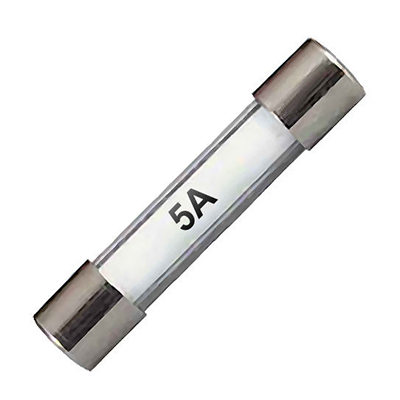
The rear window defroster has become a standard feature in passenger cars, SUVs, and commercial vehicles, ensuring clear rear visibility in cold or humid weather. At the heart of this system lies the window defroster fuse, a compact protective element that safeguards rear window defroster electrical circuits against overload and short-circuit faults. By interrupting abnormal current flow before damage occurs, the fuse protects heater grids embedded in the glass, wiring harnesses, switches, and electronic control modules, while also reducing the risk of thermal events inside the vehicle cabin.
Role of the Defroster Fuse in Automotive Electrical Architecture
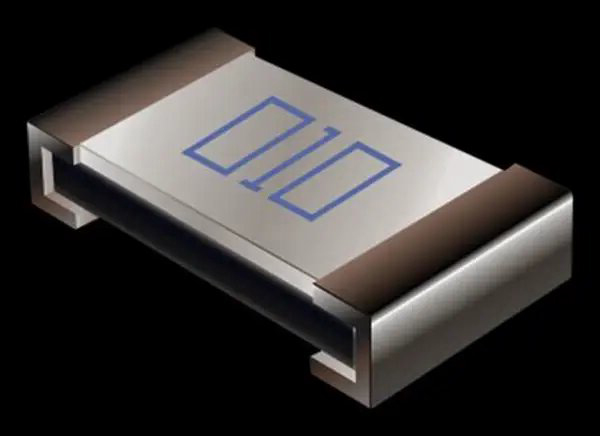
The window defroster fuse sits between the vehicle’s power distribution center and the rear defroster load, typically rated to match the current demand of the heating grid. When the driver activates the defroster switch, current flows through the fuse into the conductive traces printed on the rear glass. If contamination, damaged wiring, or a short in the grid causes current to exceed the rated level, the fuse element melts and opens the circuit. This deliberate, controlled failure localizes the fault to a replaceable component rather than allowing damage to propagate through the rear harness, body control module, or battery system.
Key Performance Advantages and Safety Benefits
High-quality defroster fuses deliver precise current limiting, fast response to overloads, and stable performance across the wide temperature range encountered in automotive environments. Accurate calibration of the fuse rating ensures adequate power to quickly clear ice, frost, and condensation from the rear window while preventing excessive heating of the glass and connectors. Robust construction and low contact resistance support consistent operation under vibration, moisture, and long-term thermal cycling. These characteristics reduce nuisance failures, minimize downtime, and help OEMs meet stringent safety and regulatory requirements related to rear visibility and electrical fire prevention.
Application Scenarios in Passenger, Commercial, and Specialty Vehicles
Window defroster fuses are deployed in a broad spectrum of mobility platforms, from compact city cars and luxury sedans to pickup trucks, buses, and off-highway equipment. In dense urban traffic, cleared rear windows shorten reaction time and improve lane-change safety, especially in rain and freezing conditions. Fleet operators rely on durable fuses to keep delivery vans and shuttle buses operational during winter seasons, reducing maintenance costs and service disruptions. In specialty applications such as police vehicles and emergency response units, dependable defroster protection ensures unobstructed rear visibility during critical maneuvers, even when vehicles operate continuously in severe weather.
Selection, Integration, and Maintenance Best Practices
Engineers selecting a window defroster fuse must consider system voltage, peak defroster current, wiring gauge, installation location, and applicable automotive standards. Proper coordination between fuse rating, relay capacity, and heating grid resistance eliminates performance bottlenecks and avoids over-stressing components. In production and service environments, using high-quality fuse holders and maintaining clean, corrosion-free contacts preserves low resistance and limits heat generation. Technicians troubleshooting a nonfunctional rear defroster often begin by verifying the fuse status, confirming that any blown fuse is replaced only after identifying and correcting the underlying fault in the circuit.
Compact Q&A on Window Defroster Fuses
1. What happens when a window defroster fuse blows?
The rear defroster stops operating because the circuit opens, preventing current from reaching the heater grid, which protects wiring and electronics from further damage.
2. Why is correct fuse rating important in rear defroster circuits?
An undersized fuse may blow too often and disrupt normal operation, while an oversized fuse may fail to interrupt a fault in time, increasing the risk of overheated wiring or glass.
3. How can vehicle owners extend the life of defroster fuses?
They can avoid scraping directly on heater lines, repair damaged grid traces promptly, and ensure that aftermarket accessories are not spliced into the rear defroster circuit.