Wire Harness Compatibility Across Sedans, SUVs, and Electric Vehicles
News 2025-10-24
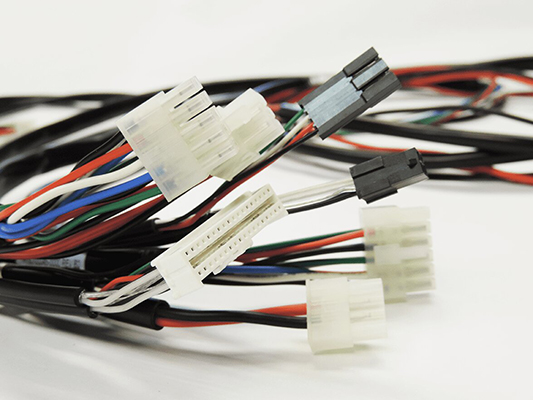
Wire harnesses are vital in automotive systems, acting as organized bundles of wires that deliver power and signals to various components. Compatibility with car models like sedans, SUVs, and electric vehicles ensures efficient operation, minimizing risks such as short circuits or system failures. This compatibility addresses the diverse electrical demands of modern vehicles, supporting features from basic lighting to advanced connectivity, and plays a key role in enhancing overall vehicle performance and safety in everyday and specialized driving scenarios.
Sedan Applications
Sedans rely on wire harnesses for systems including infotainment, climate control, and ADAS. Compatibility here focuses on fitting within tight spaces while handling standard voltage levels, enabling seamless integration that boosts fuel efficiency and responsiveness. Performance benefits include reduced electromagnetic interference and longer-lasting components, which are crucial for urban commuting where reliability directly impacts driver satisfaction and safety.
SUV Adaptations
SUVs require wire harnesses built for durability, accommodating higher power needs for features like all-wheel drive and towing. Compatibility ensures these harnesses endure rough terrains and temperature fluctuations, maintaining functionality in off-road or heavy-load situations. Key advantages involve improved system resilience and energy efficiency, allowing SUVs to perform reliably in diverse environments, from city streets to adventurous outings, without compromising electrical integrity.
Electric Vehicle Integration and Common Questions
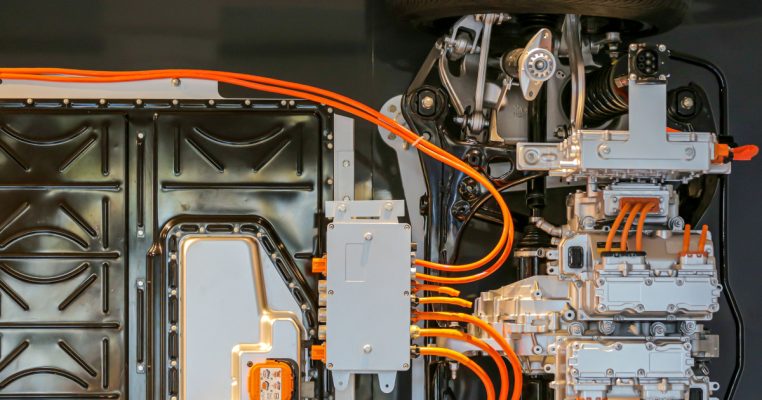
Electric vehicles demand wire harnesses designed for high-voltage systems and battery integration, ensuring safe and efficient energy flow for components like motors and charging ports. Compatibility supports features such as regenerative braking, enhancing range and sustainability. Now, addressing key inquiries:
1. What factors influence wire harness compatibility?
Answer: Factors include connector types, wire insulation, and voltage ratings, which must align with a vehicle’s specific electrical architecture to prevent malfunctions.
2. How do wire harnesses enhance performance in electric vehicles?
Answer: They optimize energy distribution, reduce weight, and improve thermal management, leading to better efficiency and extended battery life.
3. Why is compatibility testing important for different car models?
Answer: It verifies that harnesses meet model-specific standards, avoiding issues like connectivity failures and ensuring long-term reliability across sedans, SUVs, and EVs.