ABS Plastic Battery Box Mounting Brackets for Efficient Automotive Power Integration
News 2025-11-17
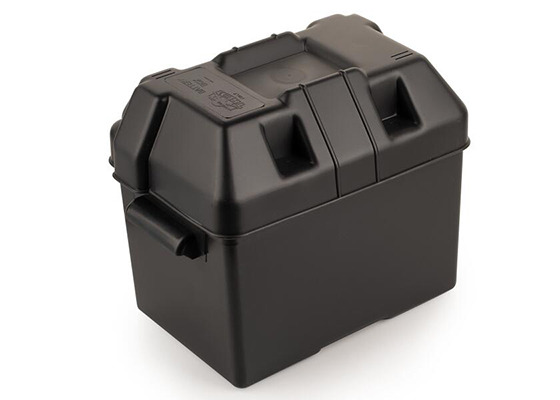
ABS plastic battery box mounting brackets have become a preferred choice for modern automotive electrical architectures. As vehicles adopt more electronic control units, auxiliary batteries, and energy storage modules, engineers need mounting solutions that are strong, electrically insulating, and easy to install on diverse body structures. ABS brackets deliver a compelling mix of mechanical robustness, dimensional stability, and design flexibility that matches the demanding conditions under the hood and in vehicle cabins.
Automotive Application Scenarios for ABS Battery Brackets
ABS battery box mounting brackets are widely used in passenger cars, commercial vans, off-road vehicles, and specialty equipment such as forklifts and golf carts. Typical installation areas include engine bays, trunk compartments, under-seat spaces, and chassis rails for auxiliary power packs. In electric and hybrid vehicles, these brackets support low-voltage 12 V or 48 V battery modules that feed lighting, infotainment, and control systems. Fleet operators value the ability to quickly swap battery boxes during maintenance, while aftermarket installers rely on ABS brackets to add extra batteries for winches, audio upgrades, and telematics units without extensive body modifications.
Performance Advantages of ABS Mounting Brackets
The core advantage of ABS plastic is its balance of stiffness, impact resistance, and thermal stability. Properly formulated ABS brackets maintain structural integrity under continuous vibration, road shocks, and temperature swings commonly found in engine compartments. The material’s inherent electrical insulation reduces the risk of accidental short circuits when metal tools or cables contact the bracket. Corrosion resistance is another key benefit compared with steel hardware, avoiding rust that can weaken mounting points over time. Low weight contributes to overall vehicle efficiency, while optimized ribbing and reinforced bosses ensure secure fastening of battery boxes even under dynamic loads.
Design Features Supporting Easy Installation
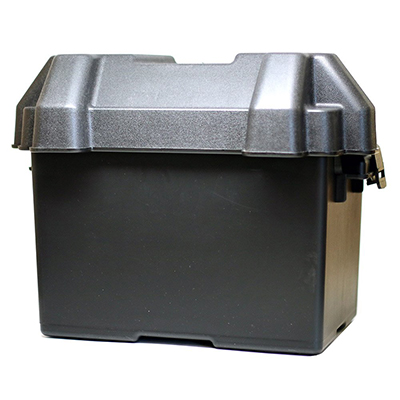
ABS plastic battery box mounting brackets can be molded with integrated clips, slots, and cable management channels to speed assembly in OEM production lines and aftermarket workshops. Standardized hole patterns allow compatibility with common battery box footprints and universal mounting rails, reducing the need for custom drilling. Many designs incorporate quick-release features or slide-in guides, enabling technicians to remove or replace the battery box within minutes. Smooth surfaces and rounded edges protect wiring harnesses and hoses routed near the mounting area, while clearly defined fixing points help maintain consistent torque values and alignment during installation.
Durability, Compliance, and Integration with Vehicle Systems
To meet automotive quality standards, ABS battery box brackets are often validated against vibration, thermal cycling, and chemical exposure tests that simulate long-term use. Resistance to automotive fluids such as engine oil, coolant, and road salt is critical for underbody or engine bay applications. Many suppliers support compliance with UL, RoHS, and automotive OEM specifications, ensuring safe integration into electrical systems. For EV and hybrid platforms, brackets can be engineered to interface with sensors, fuse blocks, and battery management system connectors, keeping components organized while preserving airflow and service access.
Common Questions on ABS Battery Box Brackets
1. Can ABS brackets handle high under-hood temperatures?
Properly graded automotive ABS can withstand typical under-hood temperature ranges; however, engineers should verify material data sheets and qualification reports to match bracket designs with the specific thermal profile of the installation zone.
2. Are ABS mounting brackets suitable for off-road vehicles?
Yes, when designed with adequate wall thickness and reinforcing ribs, ABS brackets endure vibration, shocks, and dust exposure in off-road environments, while their low weight and corrosion resistance support long service life.
3. How do ABS brackets compare with metal brackets for electrical safety?
ABS brackets offer inherent electrical insulation, reducing the risk of short circuits between the battery housing and vehicle chassis, which is particularly beneficial in dense wiring environments and retrofitted power systems.