Advanced Battery Enclosure Solutions for Recreational Vehicles and Automotive Storage
News 2025-10-20
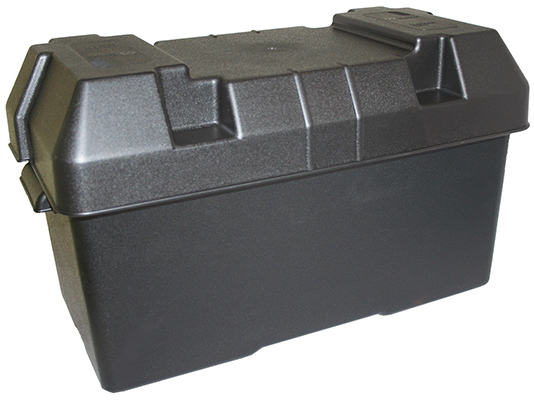
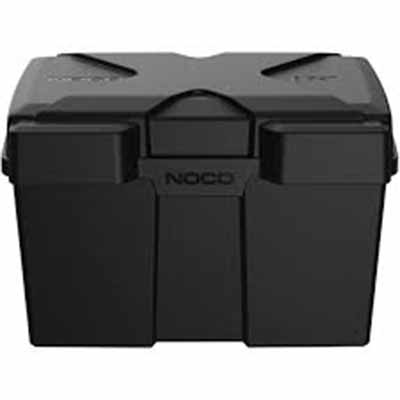
Battery boxes are essential components in managing power sources for camper vans and cars, offering protection and organization for batteries. These enclosures shield batteries from environmental hazards, vibrations, and accidental damage, ensuring reliable performance in mobile applications. With the rise in DIY van conversions and electric vehicle modifications, selecting the right battery box or its alternatives can significantly enhance safety and efficiency. This article explores various options, focusing on their durability and suitability for different scenarios.
Key Performance Advantages
Battery boxes provide critical benefits such as enhanced durability and resistance to corrosion, which are vital in rugged environments like off-road trips or daily commutes. Constructed from materials like high-impact plastic or marine-grade aluminum, they offer superior protection against moisture and temperature extremes. Performance-wise, these enclosures improve battery longevity by minimizing exposure to elements, and many include features like ventilation to prevent overheating. For camper vans, this means sustained power for appliances, while in cars, it ensures stable performance for starting systems, making them indispensable for modern mobility needs.
Diverse Application Scenarios
In camper vans, battery boxes are ideal for housing deep-cycle batteries that power lighting, refrigeration, and entertainment systems during extended travels. Their compact designs fit seamlessly into limited spaces, providing easy access for maintenance. For automotive use, alternatives like sealed enclosures protect starter batteries in harsh conditions, such as in trucks or electric conversions. These solutions adapt to various setups, from marine environments to urban driving, emphasizing versatility and ease of installation. By choosing the right enclosure, users can optimize energy use and reduce downtime in both recreational and professional contexts.
1. What materials are commonly used in battery boxes?
They are often made from plastic, metal alloys, or composites for durability and weight efficiency.
2. How do battery boxes improve safety in vehicles?
They contain batteries to prevent short circuits, leaks, and fires, enhancing overall vehicle safety.
3. What factors should be considered when choosing alternatives?
Consider size, weight, weather resistance, and compatibility with battery types to ensure optimal performance.