Automotive Fuse Box Terminal Blocks Secure Connection for Electrical Circuits
News 2025-10-31
Automotive fuse box terminal blocks are essential components in vehicle electrical systems, designed to ensure reliable and safe connections for various circuits. These blocks facilitate the organization and protection of wiring, preventing short circuits and overloads that could lead to failures or hazards. By providing a structured interface for connecting fuses, relays, and wires, they enhance the overall efficiency and longevity of automotive electronics. In an industry where reliability is paramount, terminal blocks play a critical role in maintaining system integrity under demanding conditions such as extreme temperatures and vibrations.
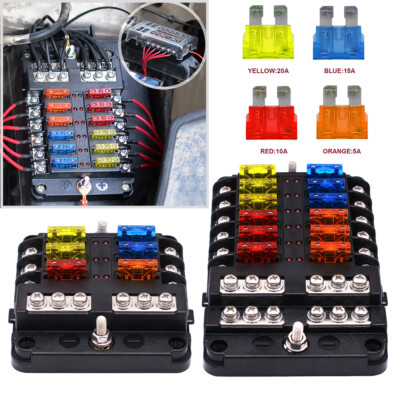
Applications in Modern Vehicles
Automotive fuse box terminal blocks find extensive use in a range of vehicle systems, including engine management, lighting, and infotainment setups. For instance, in engine control units, they connect sensors and actuators, ensuring precise signal transmission that supports fuel efficiency and emission standards. In electric vehicles, these blocks are vital for integrating high-voltage components, such as battery management systems and charging circuits, where they handle increased power demands without compromising safety. Additionally, in commercial fleets, terminal blocks support diagnostic tools and auxiliary systems, contributing to reduced downtime and maintenance costs by offering modular designs that simplify upgrades and repairs.
Advantages of High-Quality Terminal Blocks
High-quality automotive terminal blocks offer superior performance through features like enhanced conductivity and resistance to environmental factors. Constructed from durable materials such as reinforced plastics and corrosion-resistant metals, they minimize connection resistance, which reduces heat buildup and energy loss in circuits. Their design also includes secure locking mechanisms that withstand vehicular vibrations, ensuring long-term stability and reducing the risk of loose connections that could cause electrical faults. Furthermore, these blocks support easy installation and maintenance, allowing technicians to quickly diagnose and replace components, which is crucial for meeting stringent automotive safety regulations and improving vehicle reliability in real-world applications.
Frequently Asked Questions
1. What role do terminal blocks play in a fuse box?
They serve as the connection points that link fuses to the vehicle’s wiring harness, ensuring organized and protected electrical pathways.
2. How do terminal blocks improve safety in automotive systems?
By providing stable, vibration-resistant connections, they prevent arcing and overheating, which can avert fires and electrical failures.
3. What factors should be considered when selecting terminal blocks?
Key factors include current rating, material compatibility, and environmental resistance to ensure they match the specific demands of the vehicle’s electrical system.