Automotive Battery Box Corrosion-Resistant Coating Extends System Durability and Safety
News 2025-11-17
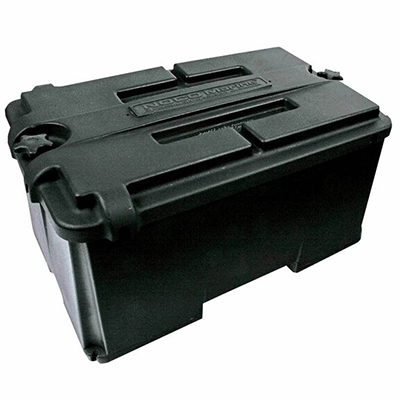
Corrosion protection for automotive battery boxes is becoming a core design requirement as vehicles transition to high-voltage architectures and demanding operating environments. From compact hybrid systems to large traction batteries in electric vehicles, the enclosure must withstand moisture, salt, gravel impact, and temperature cycling without compromising electrical safety. A tailored corrosion-resistant coating on the battery box ensures long service life, stable performance, and reduced maintenance for both passenger cars and commercial fleets.
Key application scenarios in modern vehicles
Battery box corrosion-resistant coatings are widely used in battery packs mounted underbody, in engine bays, and in rear chassis compartments. Underfloor packs face direct exposure to road salt, standing water, and stone chipping, making robust coating systems indispensable. In harsh climates, fleets such as taxis, delivery vans, and ride-hailing vehicles accumulate high mileage and frequent fast-charging cycles; here, coated steel or aluminum enclosures help preserve pack integrity over many years. Off-highway equipment, buses, and trucks also adopt coated battery boxes to handle mud, chemicals from road de-icing, and mechanical vibration. These application scenarios highlight the need for coatings that combine strong adhesion with chemical and mechanical resistance.
Performance advantages of advanced coating systems
Modern corrosion-resistant coatings for battery boxes typically employ multi-layer architectures, such as pre-treated metal, primer, and topcoat, or hybrid organic-inorganic films. High-performance formulations provide superior barrier protection against water and chloride ions, slow down electrochemical reactions, and resist underfilm corrosion at cut edges and fastener points. Enhanced stone-chip resistance minimizes coating damage from gravel, while good flexibility helps the film survive thermal expansion and contraction during charge cycles and cold starts. Many products are also engineered for low VOC emissions and compatibility with automated spraying or dip-coating lines, supporting high-volume automotive production without sacrificing corrosion protection.
Contribution to battery safety, reliability, and lifecycle cost
A robust coating on the battery box directly supports electrical and functional safety. By preventing rust perforation and galvanic corrosion, the coating maintains the enclosure’s mechanical strength and sealing performance, reducing the likelihood of moisture ingress that could lead to insulation failure or short circuits. Stable enclosure integrity also protects sensitive electronic modules, BMS components, and high-voltage connectors mounted near the housing. For OEMs and fleet operators, improved corrosion resistance translates into longer warranty periods, fewer pack replacements, and lower total cost of ownership over the vehicle lifetime. The result is higher customer confidence in electric and hybrid platforms.
Integration with design standards and testing requirements
To qualify for automotive use, battery box coatings must pass accelerated corrosion tests such as salt spray, cyclic corrosion, and stone-chip testing according to industry standards. Engineers evaluate adhesion on different substrates, including high-strength steel, aluminum alloys, and coated metals like galvanized steel. Coating selection is closely coordinated with gasket materials, sealants, and structural adhesives to prevent chemical incompatibility and ensure long-term seal performance. Design teams also consider color, gloss, and surface smoothness when the battery box is visible, while prioritizing functional metrics such as edge protection and weld seam coverage. This holistic approach ensures that corrosion-resistant coatings fit seamlessly into the overall battery system architecture.
1. What environments benefit most from corrosion-resistant battery box coatings?
Battery box coatings are especially valuable in regions with heavy road salting, coastal humidity, unpaved roads, and frequent temperature swings. Fleet vehicles operating daily in these conditions see significant gains in pack durability.
2. How do coatings influence high-voltage safety?
By preserving enclosure strength and sealing, coatings limit moisture ingress and metal degradation, helping maintain insulation resistance, creepage distances, and proper grounding of the high-voltage system.
3. Are these coatings suitable for both steel and aluminum battery boxes?
Yes, modern coating systems are formulated for various substrates, including stamped steel, cast or extruded aluminum, and pre-coated metals, provided that the correct surface preparation and primer are used.