Battery Box Compatible Marine Batteries for Dual Boat and Automotive Use
News 2025-11-17
Marine batteries that fit securely inside a battery box give boat owners and automotive users a safe, flexible power platform. When a battery is correctly matched to a standardized box, it gains mechanical protection, better cable management, and compliance with marine safety regulations. For mixed fleets that include small boats, trailers, and auxiliary automotive systems, a box‑ready design simplifies installation and maintenance while extending service life.
Key Application Scenarios on Water and Land
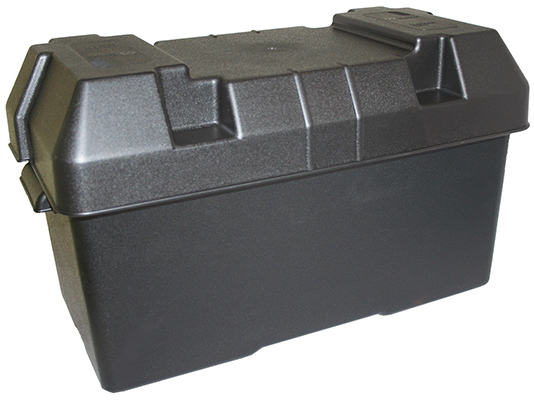
Battery box compatible marine batteries are widely used in fishing boats, center consoles, sailboats, pontoons, and small RIBs where space is limited and exposure to spray is constant. In many setups the same battery format is also installed in pickup trucks, off‑road vehicles, or RVs to power winches, trolling motors, fridges, and inverters. Using a standard Group 24, 27, or 31 case simplifies stock management and allows rapid swap‑outs between marine and automotive roles. Properly vented boxes support flooded deep‑cycle batteries for trolling and house loads, while sealed AGM or lithium units in rugged boxes serve as starting or dual‑purpose batteries for both outboards and truck engines.
Performance Advantages in Protected Enclosures
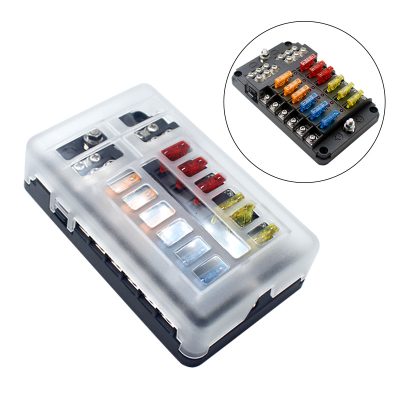
A compatible battery box shields the battery from vibration, fuel spills, saltwater spray, and loose gear impact, which significantly reduces mechanical stress and early failure. Tie‑down straps and molded bases keep the battery from shifting under heavy seas or on rough roads, maintaining stable internal plate structure and reliable cranking performance. Integrated cable ports and strain relief help maintain low contact resistance for consistent voltage delivery to starters, pumps, navigation electronics, and vehicle accessories. Many boxes also include built‑in vents and space for fuses or circuit breakers, supporting safer high‑current connections for inverters and trolling motors.
Selecting Batteries for Marine and Automotive Duty
When choosing a battery for both boat and automotive applications, buyers should focus on case size compatibility, cold cranking amps, reserve capacity, and vibration resistance. AGM and marine‑rated lithium batteries are popular because their sealed construction works well in closed boxes and in multiple mounting positions. For starting outboards and truck engines, adequate CCA and fast recharge capability are crucial. For trolling motors, sonar, and cabin loads, high cycle life and deep discharge tolerance matter more. Choosing a battery with clearly marked terminals and corrosion‑resistant posts improves safety when repeatedly moving the unit between different battery boxes and vehicles.
Installation, Safety, and Maintenance Practices
A battery that fits tightly inside a high‑quality box is easier to secure in accordance with ABYC and Coast Guard recommendations. Installers should verify that the lid closes without cable pinch points, that vent paths are not blocked, and that the box is firmly bolted or strapped to the deck or vehicle chassis. Regular inspection of tie‑downs, terminals, and seals prevents unexpected power loss and minimizes the risk of acid leaks or short circuits. For fleets, labeling each box with battery type, date of installation, and typical application (starting, house, or dual‑purpose) helps operators manage charging profiles and replacement cycles more accurately.
1. What size battery box is best for mixed marine and automotive use?
A standard Group 24 or 27 box works for most small to mid‑size boats and light vehicles, offering good balance between capacity, footprint, and compatibility with chargers and mounting hardware.
2. Can the same marine battery safely start a car and an outboard engine?
Yes, if it is a marine starting or dual‑purpose battery with adequate CCA and matched to both engines’ requirements, installed in secure, properly rated battery boxes in each application.
3. Are lithium marine batteries suitable for traditional plastic battery boxes?
They are suitable when the box supports the physical dimensions, provides firm restraint, and the system uses a lithium‑compatible charger and correct over‑current protection.