Battery Box Easy-Install Design for DIY Automotive Electrical Upgrades
News 2025-11-17
Battery box easy-install design suits DIY automotive enthusiasts.
Purpose and Application Scenarios
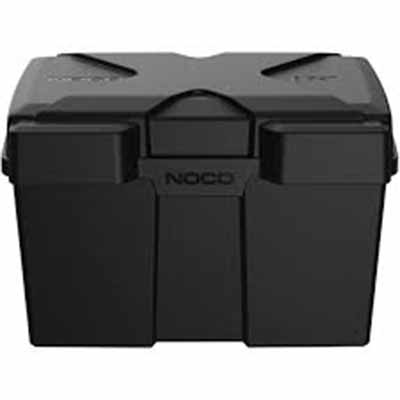
A modern easy-install battery box is tailored for DIY automotive enthusiasts who need a safe and organized way to mount auxiliary or replacement batteries. Typical scenarios include off-road vehicles with added lighting, camper vans with inverters and refrigerators, car audio upgrades requiring stable power, and small EV conversions using modular battery packs. The enclosure protects cells and terminals from dust, vibration, moisture, and accidental short circuits while keeping wiring neat for troubleshooting. By integrating standardized mounting points and cable routing channels, the design helps hobbyists install extra power capacity without extensive fabrication, which suits home garages, small workshops, and mobile service vans.
Design Features that Simplify Installation
The easy-install concept focuses on reducing drilling, cutting, and custom brackets. The battery box typically includes adjustable mounting rails, pre-formed slots for standard automotive batteries, and multiple knock-out ports sized for common cable diameters. Integrated busbar mounting pads and labeled terminal positions support clean layouts for fuses, DC-DC chargers, and battery monitors. Quick-release latches allow users to open the lid without tools, speeding inspection and maintenance. Clear polarity markings and internal cable management clips help prevent wiring errors, which is crucial for users who may be new to high-current DC systems yet expect professional-looking results.
Performance Advantages and Safety Characteristics
High-performance materials and mechanical robustness are central to this type of battery box. Impact-resistant, flame-retardant polymers or coated steel panels withstand harsh under-hood temperatures and exposure to road debris. Venting channels and optional fan mounting areas support lead-acid, AGM, or lithium packs while helping to control heat and gases. Reinforced corners and vibration-damping feet protect cells during off-road use or frequent start-stop cycles. Many designs incorporate provisions for fuses and disconnect switches at the enclosure boundary, reducing arc risk during maintenance. These performance characteristics help DIY installers achieve automotive-grade durability without outsourcing custom enclosures.
Integration with Modern Automotive Electronics
Current DIY projects often combine batteries with DC-DC converters, MPPT solar controllers, and vehicle CAN-based monitoring. An easy-install battery box anticipates this by offering flat internal surfaces for electronic modules, pre-labeled cable paths for sensor wiring, and space for current shunts and voltage sense leads. Compatibility with popular connector types and lug sizes supports straightforward integration with existing harnesses. By organizing high-current paths away from signal wiring, the design minimizes electrical noise and improves measurement accuracy. This structure helps automotive enthusiasts scale from simple auxiliary lighting to complex multi-battery systems while maintaining consistent performance and clear serviceability.
Practical Selection Tips for DIY Enthusiasts
When choosing a battery box, users should evaluate vehicle space constraints, battery chemistry, and expected load current. Dimensions must fit common mounting locations such as trunk wells, pickup beds, or engine bays, with enough clearance for cable bends and ventilation. For lithium-based systems, temperature tolerance and secure clamping are crucial, while high-current audio or winch applications demand heavy-duty cable entry points and solid strain relief. Look for models with corrosion-resistant hardware and clear labeling that supports future modifications. A well-chosen easy-install enclosure not only simplifies the initial project but also provides room for later expansions like solar charging, inverters, and upgraded storage capacity.
1. What vehicles can use an easy-install battery box?
Most passenger cars, SUVs, pickup trucks, off-road rigs, and camper vans can accommodate an easy-install battery box, provided there is suitable space and proper mounting points.
2. Is this design suitable for lithium batteries?
Yes, many designs support lithium packs when used within specified temperature and current limits, especially models with strong clamping, ventilation, and provisions for a dedicated battery management system.
3. Do DIY users need special tools for installation?
In most cases only basic hand tools are required, because the enclosure includes pre-configured mounting locations and cable entry ports that minimize cutting and drilling.