Battery Box Light Commercial Vehicles With Heavy-Duty Construction for Demanding Fleets
News 2025-11-17
Battery box light commercial vehicles are reshaping fleet expectations in urban logistics, regional distribution, and service operations. By integrating protected high-capacity battery boxes into vans, small trucks, and chassis cabs, these vehicles deliver strong performance, extended uptime, and safer power management. Heavy-duty construction of the battery enclosure is central to durability, thermal stability, and electrical safety, especially where vehicles operate under high vibration, harsh weather, or frequent stop-and-go cycles.
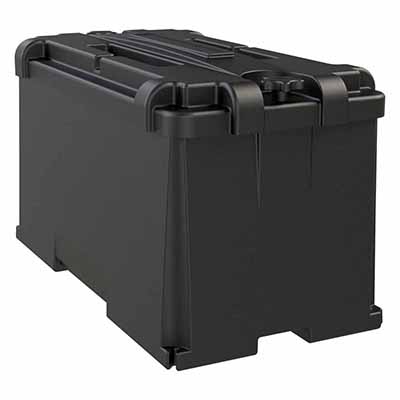
Heavy-Duty Battery Box Design and Materials
Battery boxes in light commercial platforms rely on reinforced structures built from high-strength steel, aluminum alloys, or engineered polymers with enhanced impact resistance. Rigid mounting points and robust sealing prevent micro-cracks, moisture ingress, and contamination from road salts or chemicals. Optimized wall thickness and structural ribs help the box withstand chassis torsion and repeated shock loads without deforming. Many designs incorporate multi-layer coatings, anti-corrosion treatments, and flame-retardant insulation to meet stringent automotive safety and EMC standards, supporting long-term stability in intensive fleet use.
Thermal Management and Electrical Protection
Inside the battery box, temperature control is critical for range consistency and battery life. Integrated liquid or forced-air cooling channels circulate around the cells, while thermal interface materials improve heat transfer and maintain uniform cell temperatures across the pack. Sensors monitor voltage, current, and temperature in real time, enabling the battery management system to balance cells and prevent overcharge, deep discharge, or thermal runaway. High-voltage interlocks, fused disconnects, and reinforced insulation barriers add layers of safety, protecting technicians and drivers during charging, maintenance, and emergency situations.
Key Application Scenarios and Performance Benefits
Light commercial vehicles with heavy-duty battery boxes excel in last-mile delivery, refrigerated transport, municipal services, and field maintenance operations. The robust enclosure allows high energy density within a compact footprint, preserving cargo volume and payload capacity. Fleets benefit from extended range, predictable charging windows, and reduced downtime due to improved resistance to vibration and shock. The protected box design minimizes unexpected failures from connector loosening, cable damage, or environmental exposure, which supports accurate route planning and lowers total cost of ownership while meeting low-emission or zero-emission regulations in urban centers.
Integration With Chassis, Charging, and Service Ecosystems
When engineered as part of the original chassis architecture, the battery box contributes to optimal weight distribution and stable handling, even under varying load conditions. Standardized mounting rails and electrical interfaces simplify bodybuilder customization for box bodies, refrigerated units, or workshop modules. Compatibility with fast-charging infrastructure and smart fleet management platforms allows precise monitoring of state of charge, charging cycles, and battery health. Modular box configurations support future cell upgrades or capacity extensions, enabling fleet operators to adapt vehicles to evolving route profiles and regulatory requirements without major structural changes.
FAQs on Battery Box Light Commercial Vehicles
1What factors influence the lifespan of a heavy-duty battery box?
Robust materials, effective sealing, corrosion protection, and stable thermal management are key. Consistent charging practices and regular inspection of connectors and mounting hardware further extend service life.
2How does a heavy-duty battery box support payload and range?
By providing a compact, structurally efficient enclosure, the box maximizes usable battery capacity without sacrificing cargo space, helping fleets balance range requirements with payload targets.
3Are heavy-duty battery boxes suitable for cold or hot climates?
Yes. Integrated thermal management, insulation, and weatherproof sealing enable stable performance in both low and high ambient temperatures, maintaining safe operating conditions for the battery pack.