Battery box lockable mechanism secures valuable automotive batteries in demanding fleets
News 2025-11-17
Lockable Battery Box Mechanisms for Secure Automotive Power Systems
Design concept and security architecture
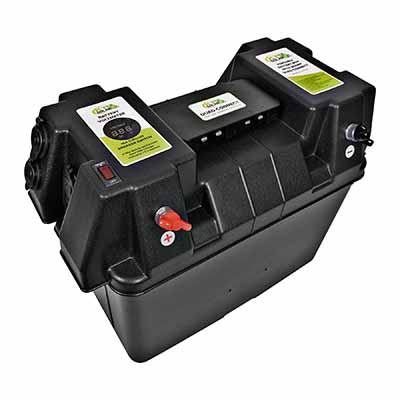
A lockable battery box is engineered to protect high-value automotive batteries against theft, tampering, and harsh outdoor exposure. The mechanism typically combines a corrosion‑resistant steel or aluminum enclosure, reinforced hinges, and a high‑security lock cylinder or latch system. Internally, the box integrates mounting rails and vibration‑damping pads that keep lithium‑ion or lead‑acid modules firmly in place during aggressive driving and off‑road use. Drainage channels and gasketed lids prevent water ingress, while cable grommets route high‑current leads without compromising enclosure integrity. The result is a compact security architecture that safeguards both the battery and the vehicle’s power distribution hardware.
Key performance features and durability benefits
Performance of a lockable battery box is measured by its mechanical strength, resistance to forced entry, and long‑term durability in automotive environments. Heavy‑gauge metal panels, concealed hinge pins, and recessed locking points make prying or cutting extremely difficult. Powder‑coated finishes and stainless hardware provide resistance to road salt, oil, and UV exposure, extending service life for fleet operators. Many designs are tested to withstand vibration levels seen in commercial trucks and construction machinery, ensuring that latches do not loosen over time. By keeping connections clean and batteries firmly clamped, the mechanism supports stable voltage delivery and fewer unexpected power failures.
Application scenarios across automotive and transport sectors
Lockable battery boxes are widely used on heavy‑duty trucks, buses, delivery vans, trailers, and specialized off‑highway vehicles. Municipal fleets use them to secure starter batteries and auxiliary power units parked in unmonitored depots. Electric and hybrid vehicles benefit from protected auxiliary batteries that support telematics, lighting, and refrigeration systems. In agricultural and mining equipment, the lockable mechanism prevents unauthorized removal of high‑capacity batteries in remote job sites. The solution also suits marine trailers, RVs, and emergency vehicles where uninterrupted power and asset security are business‑critical and directly influence uptime and maintenance costs.
Integration, maintenance, and safety considerations
For OEMs and retrofit installers, the lockable mechanism must integrate smoothly with chassis layouts, wiring harnesses, and existing battery management systems. Adjustable brackets and multiple mounting patterns make it easier to standardize one enclosure across different vehicle platforms. Technicians gain tool‑only access through keyed locks, limiting tampering while keeping routine inspection efficient. Clear labeling, built‑in ventilation, and short‑circuit‑safe cable routing contribute to compliance with automotive safety regulations. When combined with anti‑corrosion treatments and scheduled inspection of latches and seals, the lockable battery box substantially reduces the risk of stolen batteries, unexpected downtime, and electrical faults.
1. What types of vehicles benefit most from lockable battery boxes?
Commercial trucks, buses, construction equipment, and fleet vans gain strong value because they often operate in open yards or public streets where battery theft and vandalism are common.
2. How does the lockable mechanism improve electrical performance?
By firmly clamping the battery, isolating it from moisture and debris, and preventing loose terminals, the enclosure helps maintain stable voltage, lowers failure rates, and supports longer battery service life.
3. Are lockable battery boxes suitable for lithium‑ion systems?
Yes, when designed with appropriate ventilation, fire‑resistant materials, and secure cable routing, they can house lithium‑ion modules used for start‑stop, auxiliary loads, and low‑voltage EV functions.