Battery Box Solutions Compatible With 12V Automotive Batteries for Everyday Vehicles
News 2025-11-17
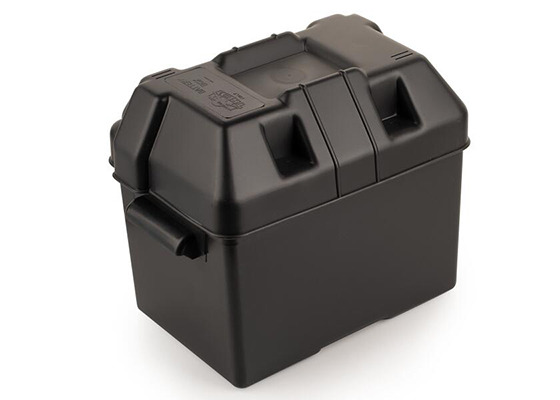
Battery box compatible 12V automotive batteries everyday vehicles are a key focus for engineers who need safe, durable power storage in daily-use cars, vans, and light trucks. A well-designed enclosure protects the battery from vibration, moisture, and accidental short circuits, while also supporting clean cable routing and easier maintenance. For modern vehicles packed with electronics, the right battery box reduces failure risk and helps maintain stable voltage delivery to ECUs, infotainment systems, and safety modules.
Core Functions and Construction Features
A battery box compatible with standard 12V lead‑acid, AGM, or lithium automotive batteries must combine mechanical strength with electrical safety. High-impact ABS or reinforced polypropylene housings resist heat and road debris, while integrated lids and latches prevent accidental opening during harsh driving conditions. Corrosion‑resistant terminals, grommets, and mounting hardware are crucial to maintain low-resistance connections over thousands of start cycles. Many designs incorporate vent ports for flooded batteries, allowing safe routing of gases away from passenger areas. Flame‑retardant materials and built‑in short‑circuit protection points support compliance with automotive safety regulations.
Application Scenarios in Everyday Vehicles
In passenger cars and family SUVs, compact battery boxes optimize use of limited engine bay or trunk space while ensuring secure mounting on factory brackets. For ride‑share fleets and delivery vehicles that experience frequent stop‑start cycles, reinforced enclosures reduce damage from continuous vibration and thermal stress. Light commercial vans often use auxiliary 12V batteries for refrigeration units, lighting, or in‑vehicle offices; dedicated boxes isolate these packs from the main starter battery, reducing interference and simplifying service. Enthusiast vehicles, off‑road 4x4s, and camper conversions benefit from sealed boxes that protect against water ingress during river crossings or severe weather, keeping power systems stable in demanding environments.
Performance Advantages and Safety Benefits
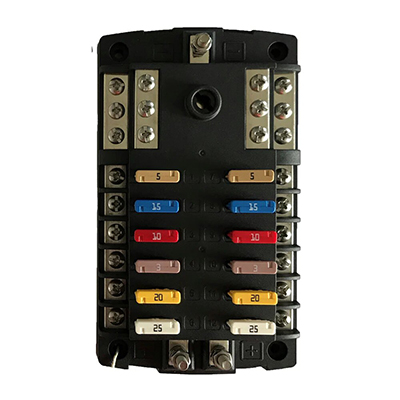
A carefully engineered battery box improves electrical performance by preserving stable contact pressure on terminals and minimizing micro‑movement that can loosen connections. Secure cable strain relief reduces the risk of cracked lugs and voltage drops, which helps sensitive electronic control units operate within their specified range. Temperature‑tolerant housings protect 12V batteries from under‑hood heat, slowing capacity fade and extending service life. From a safety perspective, segregating the battery within an insulated enclosure lowers the chance of arcing, protects technicians during maintenance, and contains any leaked electrolyte. Clear labeling, integrated fuse mounts, and standardized cable entry points also reduce installation errors during aftermarket upgrades.
Installation, Compatibility, and Maintenance Considerations
When selecting a battery box for everyday automotive use, engineers and installers must verify compatibility with the exact battery group size, terminal layout, and cable gauge. Adjustable brackets and multi-slot bases make it easier to reuse existing mounting holes in different vehicle platforms, lowering integration costs for OEMs and fleet operators. Smooth interior surfaces and rounded edges help prevent abrasion of insulation on high-current cables. For maintenance, removable lids and front-access panels enable quick voltage checks, load testing, and battery replacement without dismantling surrounding components. Choosing a design that supports both traditional lead‑acid and newer lithium‑iron‑phosphate 12V modules ensures a straightforward upgrade path as vehicles transition to higher-efficiency chemistries.
1How does a battery box improve 12V system reliability in daily driving?
A robust enclosure stabilizes the battery, protects connections from vibration and moisture, and maintains consistent contact resistance, which helps prevent starting issues and random electronic malfunctions.
2Which vehicles benefit most from sealed 12V battery boxes?
Sealed boxes are especially valuable for off‑road SUVs, pickup trucks, and camper vans that encounter water, mud, and dust, as well as for city delivery fleets exposed to frequent washdowns and harsh weather.
3What factors matter when matching a battery box to an automotive 12V battery?
Key factors include group size, terminal orientation, cable routing options, heat resistance, venting requirements for flooded cells, and compliance with relevant automotive and electrical safety standards.