Battery Box Solutions for Vintage Cars and Classic Battery Size Compatibility
News 2025-11-17
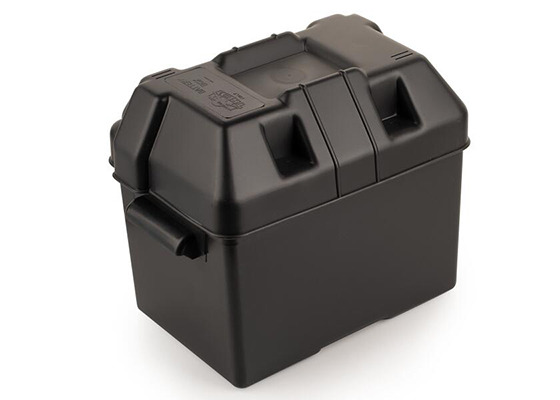
Owners of vintage vehicles often face challenges when upgrading or replacing their electrical storage systems. A carefully designed battery box tailored for classic battery sizes protects sensitive components, stabilizes performance, and preserves the authentic look of the engine bay. Modern battery enclosure solutions now allow classic car enthusiasts to integrate contemporary safety and performance standards while maintaining compatibility with original dimensions and mounting points.
Design Considerations for Classic Battery Enclosures
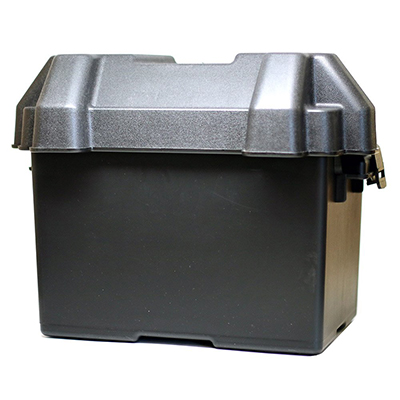
A battery box for vintage cars must respect original layout constraints, including tray position, hold‑down style, and cable routing. Engineers analyze period-correct battery footprints, terminal locations, and height restrictions to ensure a precise fit without interfering with carburetors, radiator shrouds, or steering components. Heat resistance, chemical resistance, and vibration damping are key selection factors for enclosure materials. High‑grade ABS, polypropylene, or powder‑coated steel solutions provide robust protection against acid splashes and corrosion while remaining visually consistent with classic engine compartments.
Performance Advantages and Electrical Safety
A well-engineered battery box enhances both electrical stability and occupant safety. Secure clamping and anti‑vibration pads reduce internal plate damage and extend battery life, which is especially important for classic vehicles that may sit unused for long periods. Integrated venting paths manage hydrogen gas, lowering the risk of explosion in tightly packed engine bays or trunk installations. Optional covers, grommets, and cable glands protect terminals from accidental short circuits during maintenance. By supporting modern AGM or gel batteries within classic footprints, these boxes allow higher cold‑cranking amps and improved deep‑cycle performance without altering factory sheet metal.
Application Scenarios in Restoration and Custom Projects
Battery boxes designed for vintage cars see wide use in concours restorations, weekend cruisers, and restomod builds. Restorers often select black steel housings that replicate original cases while hiding a modern sealed battery inside, ensuring authenticity for judging standards. Custom builders may relocate the battery to the trunk or under the rear seat to improve weight distribution, relying on compact enclosures with integrated vent ports and reinforced lids. For classic off‑road trucks and rally cars, heavy‑duty boxes with reinforced mounting flanges resist high‑frequency vibration and chassis flex. Marine‑grade seals or raised lids also benefit classic convertibles frequently exposed to moisture.
Installation, Maintenance, and Longevity Benefits
Proper installation begins with accurately matching box dimensions to the specified classic battery size group, allowing sufficient clearance for cables, fuses, and disconnect switches. Corrosion‑resistant hardware, such as stainless steel J‑bolts and zinc‑plated brackets, helps maintain clamp force over years of temperature cycling. Drain holes or removable trays simplify cleaning after any electrolyte leakage. By keeping the battery stable, dry, and well‑ventilated, the enclosure supports consistent cranking performance and lowers the risk of wiring failures in older harnesses, where insulation may already be fragile. Stable power delivery also benefits retrofitted electronic ignition modules, upgraded lighting, and audio equipment frequently added to classic vehicles.
1. How do I choose the right battery box size for my vintage car?
Measure the existing battery tray, note the original battery group size and terminal orientation, then select a box that matches these dimensions while allowing minimal extra clearance for cabling and ventilation.
2. Can a modern sealed battery fit into a classic‑style battery box?
Yes, many enclosures are designed to accept modern AGM or gel batteries that share legacy group sizes, enabling improved performance without changing the outward vintage appearance.
3. Is venting necessary if I use a sealed battery in a trunk‑mounted box?
Venting is still recommended, as sealed batteries can release gas under extreme conditions; a vented box helps keep fumes away from interior spaces and electrical components.