Durable long-lasting fuse materials extend vehicle safety and electrical performance
News 2025-11-17
Long-lasting fuse durable materials ensure extended service life in vehicles by combining stable electrical characteristics, controlled melting behavior, and strong mechanical resilience. In modern cars, trucks, and off-highway equipment, the fuse must protect complex power distribution networks, handle frequent load changes, and endure harsh thermal cycles. Selecting materials that resist fatigue, corrosion, and micro-cracking directly reduces unexpected open circuits and maintenance downtime. As the number of electronic control units, high-power actuators, and infotainment systems grows, the demand for robust, long-life fuses becomes a decisive factor in electrical architecture design.
Material characteristics in demanding automotive environments
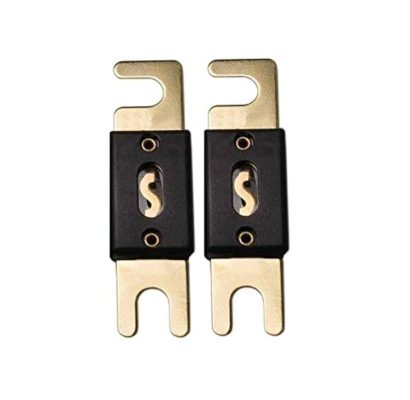
A durable fuse element typically uses copper, silver, or specialized copper alloys balanced for low resistivity, predictable melting points, and resistance to grain growth. Platings and coatings are tuned to limit oxidation and maintain stable contact resistance inside fuse boxes and junction blocks. Encapsulation materials and fuse housings must tolerate engine compartment temperatures, humidity, vibration, and exposure to automotive fluids. High-quality polymers and ceramic fillers help manage thermal expansion and prevent deformation under extended high-load operation. These characteristics are validated through temperature cycling, salt-spray corrosion testing, and mechanical shock testing that reflect real-world vehicle operating conditions.
Performance advantages in on-board power distribution
Durable fuse materials deliver superior current-carrying capacity, tight time-current curves, and consistent cut-off performance during overloads and short circuits. Stable metallurgy reduces resistance drift, allowing designers to maintain accurate coordination between fuses, wiring harnesses, and downstream semiconductor protection devices. The result is fewer nuisance blows and more selective disconnection when faults occur, especially in high-current circuits such as electric power steering, cooling fans, and battery management systems. Long service life also supports high-mileage duty cycles in commercial fleets, where unplanned fuse failures could halt delivery vehicles, buses, or construction machinery and increase total cost of ownership.
Application scenarios across conventional and electrified vehicles
In internal combustion vehicles, long-lasting fuses are widely applied in body control, lighting, HVAC systems, and safety features including airbags and ABS/ESC units. These circuits demand dependable protection over years of operation and repeated temperature swings. In hybrid and battery electric platforms, durable fuse materials protect high-voltage battery packs, DC/DC converters, onboard chargers, and traction inverters. Here, fuses must handle higher fault energy, rapid load transitions, and tighter packaging constraints. High-performance materials help meet rigorous standards on arc suppression and interrupt rating, ensuring safe isolation of high-voltage circuits during severe faults while still fitting into compact, lightweight assemblies.
Impact on maintenance, diagnostics, and system design
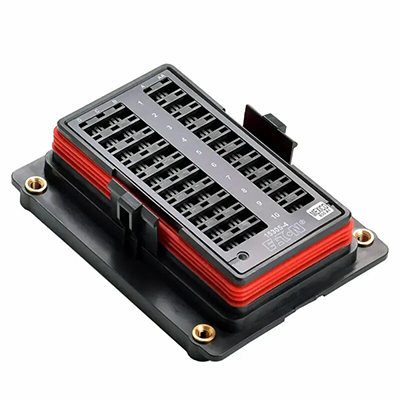
Using durable fuse materials improves maintenance intervals by reducing replacement frequency and minimizing intermittent failures that are difficult to diagnose. Stable characteristics over time allow technicians and diagnostic tools to rely on predictable behavior when tracing electrical issues. From a design standpoint, engineers can optimize wire sizing and PCB trace dimensions around fuses that maintain their specified resistance and melting profiles throughout the vehicle lifecycle. This stability supports modular fuse blocks, smart junction boxes, and integrated power electronics modules where accessibility is limited, making durability a core requirement rather than an optional enhancement.
Key questions on long-lasting fuses in vehicles
1. How do durable fuse materials improve vehicle uptime?
Robust materials reduce random fuse blows, corrosion-related opens, and thermal fatigue, so vehicles spend less time out of service for troubleshooting and replacement.
2. Where are long-life fuses most beneficial in automotive systems?
They deliver the greatest advantage in high-current loads, safety-critical circuits, and locations that are hard to access, such as engine bays and integrated power distribution modules.
3. Do longer-lasting fuses affect system efficiency?
Yes, low and stable resistance in high-quality fuse elements helps minimize power loss and heat generation, supporting better overall electrical efficiency in both conventional and electrified vehicles.